Germany Advances in Deploying Miniature Anti-Drone Missile System

Germany’s Small Anti-Drone Missile Program: A New Era in Air Defense
Overview of the Initiative
Germany is on the verge of enhancing its air defense capabilities with the development of a compact missile specifically designed for intercepting drones. This initiative received approval from German lawmakers on November 5, facilitating a funding proposal for the project.
Introducing the Small Anti-Drone Missile (SADM)
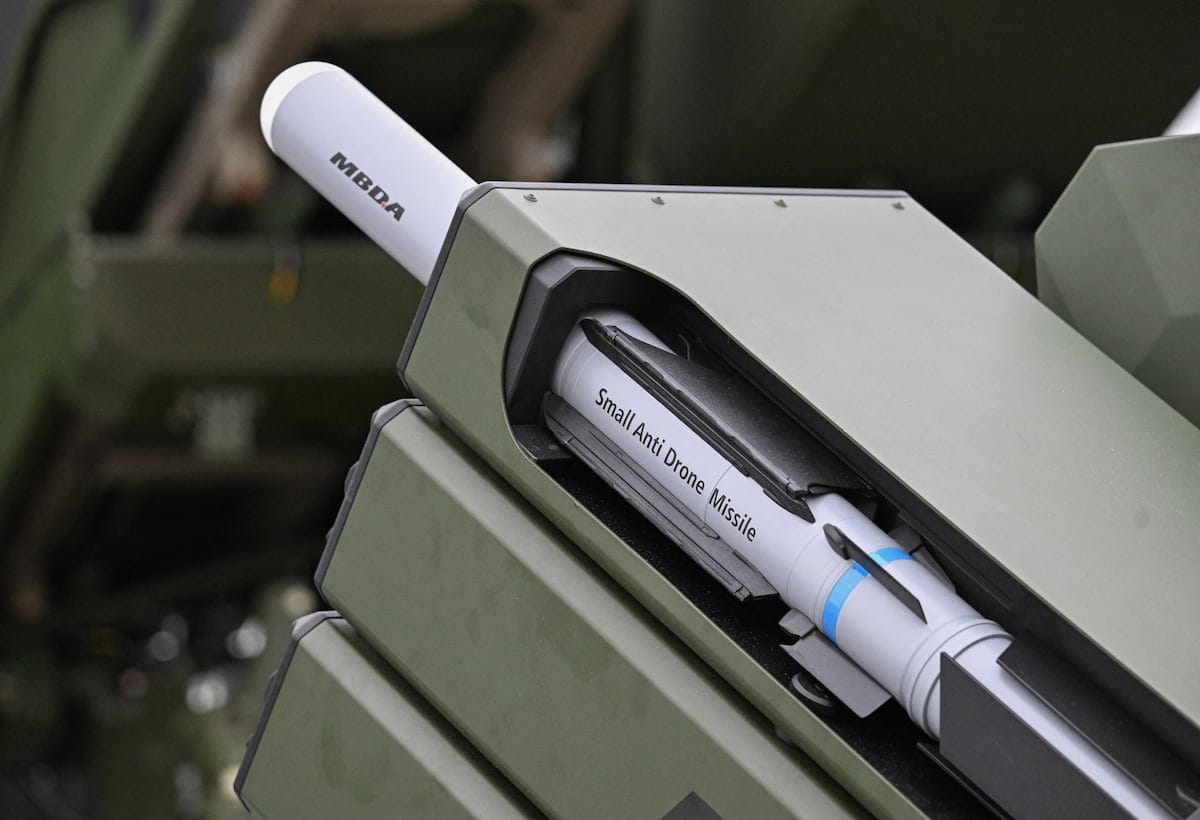
Referred to as the Small Anti-Drone Missile (SADM), this system will be integrated into Rheinmetall’s Skyranger 30 anti-aircraft platforms. Its function is to supplement the existing onboard cannon, thereby broadening the system’s operational flexibility. MBDA has termed this missile DefendAir, and its integration marks a significant milestone in Germany’s approach to contemporary aerial threats.
Technical Specifications
- Integration and Capacity: The newly designed launcher for SADM will be incorporated into the Skyranger’s turret, allowing for a storage capacity of nine to twelve missiles, depending on the launch tube configuration.
- Range and Targeting: The SADM will augment the Skyranger’s effective engagement range from approximately 2 kilometers to about 6 kilometers. Reports indicate that this missile will be equipped with advanced seeker technology, enabling it to neutralize drones weighing up to 150 kilograms, categorized as class 1 Unmanned Aerial Systems (UAS).
Strategic Significance for the Bundeswehr
According to Bundeswehr officials, the integration of these missiles is a critical step in empowering the Skyranger system to effectively counter small and micro drone threats. A recent statement from the military highlighted the strategic insights gained from the ongoing conflict in Ukraine, where small drones pose significant challenges to military operations and civilian safety.
- Operational Capacity: With the combined firepower of the cannon and the SADM, a single Skyranger unit can potentially eliminate up to thirty drones in a single operational engagement, making it a formidable asset in modern battlefield scenarios.
Decision-Making Process
The German government opted for the SADM over alternative solutions, including the well-known Stinger missile system, in a decision made back in May. The recent approval from the Bundestag constitutes a necessary step in the military procurement process for projects exceeding €25 million (approximately $28.8 million).
Investment and Funding Details
The projected costs associated with both the development and acquisition of the SADM are estimated to be around €490 million (approximately $565 million). This figure reflects Germany’s expanded commitment to bolster its capabilities amid rising aerial threats in Europe.
Alignment with European Defense Frameworks
The SADM will be cataloged alongside other systems under the European Sky Shield Initiative. This broad effort, initiated by the previous German administration, aims to enhance Europe’s air defense strategies by fostering cooperation among its 24 member states, extending from the Arctic to the Middle East.
Contextual Relevance
In light of the geopolitical landscape, particularly marked by Russia’s full-scale invasion of Ukraine that began in February 2022, European nations, including Germany, are prioritizing the rapid enhancement of air defense systems. This urgency is underscored by concurrent investments in long-range interceptors, such as the Israeli-made Arrow 3 system.
As Germany moves forward with the SADM program, it indicates a significant strategic shift towards sophisticated anti-drone capabilities, presenting a proactive response to evolving aerial threats.
This analysis aims to provide a comprehensive understanding of the implications and relevance of the SADM initiative within the broader context of European defense postures. Such developments are critical for professionals engaged in defense policy and military strategy.