Germany Develops Next-Gen Drone Defense Shield to Protect Critical Infrastructure

Joint Initiative by Rheinmetall and Deutsche Telekom
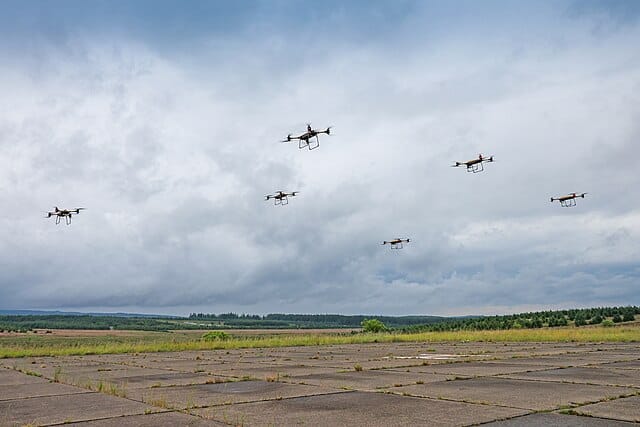
Germany is advancing its defense capabilities with the development of a next-generation “drone defense shield.” This initiative is a collaboration between Rheinmetall and Deutsche Telekom, aimed at safeguarding critical infrastructure from increasing airborne threats. The project signifies a proactive approach in the face of evolving technological challenges in warfare and security.
The need for enhanced drone defense systems is underscored by the growing prevalence of unmanned aerial vehicles (UAVs) in both military and civilian contexts. As drone technology becomes more accessible, the potential for malicious use has escalated, prompting nations to reconsider their defense strategies. Germany's focus on a drone defense shield reflects a broader trend among countries seeking to bolster their defenses against these emerging threats. This initiative is not just about countering military drones but also addresses the risks posed by commercial drones that can be repurposed for hostile actions.
Strategic Implications for Germany and NATO
The implications of this initiative extend beyond national security, as Germany plays a significant role within NATO. By enhancing its drone defense capabilities, Germany contributes to the collective security framework of the alliance, addressing vulnerabilities that could be exploited by adversaries. This development may also influence defense procurement and collaboration among NATO member states as they look to adopt similar technologies to fortify their own defenses. The partnership between Rheinmetall and Deutsche Telekom may set a precedent for future collaborations between private industry and government in defense innovation.
Why it matters: The establishment of a drone defense shield in Germany raises questions about the future of aerial warfare and defense preparedness in Europe. As countries like Germany invest in advanced technologies, it highlights the need for a coordinated response to emerging threats. Analysts will be watching how this initiative unfolds and its potential impact on regional security dynamics, as well as its influence on defense policies across NATO.
Sources: Thedefensepost, The Defense Post, Rheinmetall, Seeking Alpha, and Bloomberg.com