Germany Enhances Drone Capabilities for Ukraine and Its Own Forces

In a significant development for military technology cooperation, Germany is bolstering its drone capabilities through two major contracts that support both Ukraine and its own defense needs. This dual approach underscores Germany's commitment to enhancing aerial reconnaissance and strike capabilities amid ongoing geopolitical tensions.
What happened
Germany has committed to funding a contract valued at approximately €90 million for 50,000 Ukrainian-made Shrike FPV attack drones. These drones are equipped with terminal-autonomy software provided by the US firm Auterion, aiming to enhance Ukraine's operational effectiveness in its ongoing conflict.
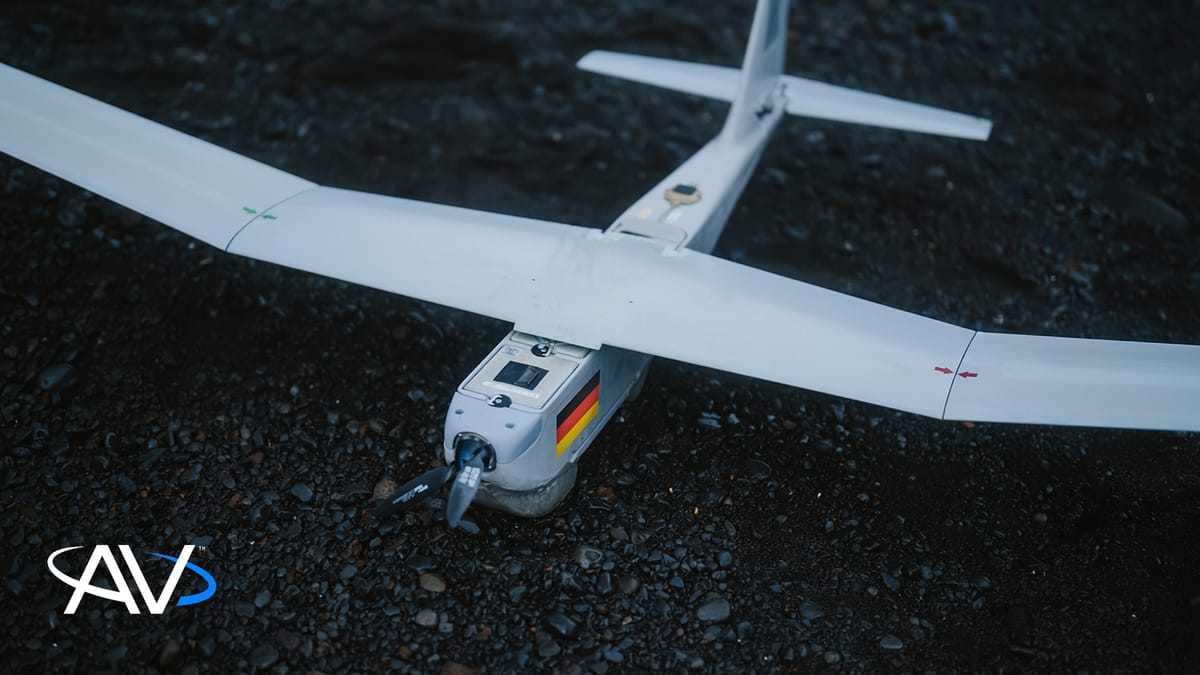
In addition to supporting Ukraine, Germany has also secured a separate contract with AeroVironment for next-generation Puma unmanned aerial systems. This deal totals $30.9 million and falls under the LARUS airborne reconnaissance program, reflecting Germany's focus on modernizing its own military capabilities.
The strategic calculus
Germany's investment in drone technology represents a multifaceted strategy:
- Support for Ukraine: The procurement of Shrike FPV attack drones is a direct response to the needs of Ukrainian forces, aiming to provide them with advanced strike capabilities to counteract ongoing threats.
- Domestic capability enhancement: By acquiring Puma tactical drones, Germany is not only improving its reconnaissance capabilities but also reinforcing its defense posture amid increasing regional instability.
- Strengthening transatlantic ties: Collaborating with US firms like Auterion and AeroVironment highlights Germany's commitment to NATO and the transatlantic defense alliance.
The bigger picture
The implications of these contracts extend beyond immediate military applications. Analysts will be watching how:
- Germany balances its role as a supporter of Ukraine while simultaneously enhancing its own military readiness.
- The integration of advanced drone technologies impacts the operational landscape in Europe and the broader context of NATO's collective defense strategy.
- Future contracts may emerge as Germany seeks to further modernize its military forces in light of lessons learned from ongoing conflicts.
As these developments unfold, they underscore the evolving nature of warfare and the increasing reliance on unmanned systems for both offensive and reconnaissance operations.
Sources: Defence24, Thedefensepost, UNITED24 Media, dw.com, Военное дело, and RBC-Ukraine