Gulf Monarchies Report Intercepted Iranian Attacks Amid Rising Tensions

Recent Developments in the Strait of Hormuz
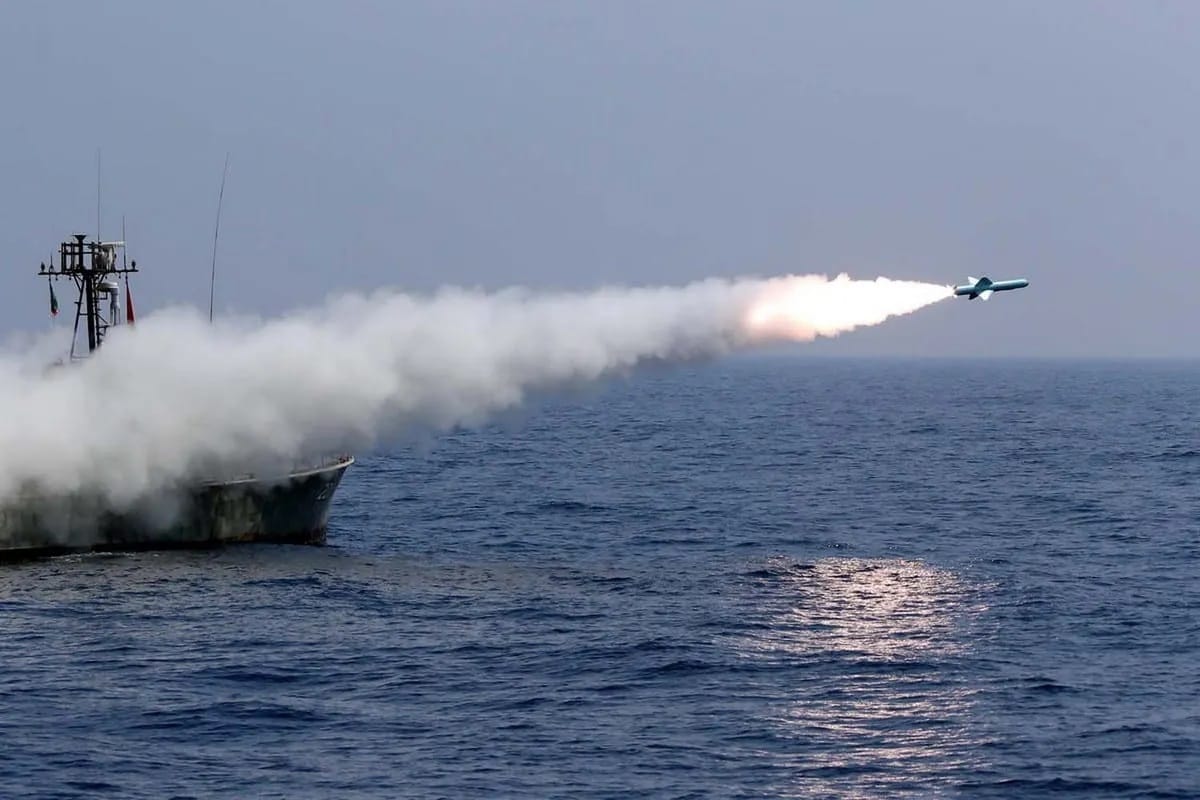
On Wednesday, Kuwait and Bahrain reported successfully intercepting new aerial attacks launched from Iran. This incident highlights escalating military tensions in the region, particularly as Tehran and Washington engage in hostilities over control of the strategically significant Strait of Hormuz. The Strait serves as a critical maritime passage for global oil shipments, making security in this area of utmost importance to both regional and international stakeholders.
The interceptions by Kuwait and Bahrain come amid a backdrop of increasing military activity in the Gulf. Analysts have suggested that Iran's recent actions may be a demonstration of its capabilities and resolve in the face of perceived threats from the US and its allies. The situation remains fluid, with the potential for further incidents as military posturing intensifies on both sides. The Strait of Hormuz is a vital chokepoint, and any disruption in this area could have significant repercussions for global energy markets.
Strategic Implications
This recent escalation raises questions about the security measures employed by Gulf monarchies to protect their airspace and vital infrastructure. The successful interception of Iranian threats indicates a level of preparedness among Kuwait and Bahrain, but it also underscores the need for enhanced collaboration among Gulf Cooperation Council (GCC) states to address shared security concerns. As tensions continue to rise, the prospect of miscalculation or accidental confrontation cannot be overlooked.
The implications of these events are significant for US foreign policy and regional stability. With President Trump in office, the administration's approach to Iran will be closely scrutinized. The ability of the US to deter Iranian aggression while supporting its allies in the Gulf will be a crucial factor in maintaining stability in this pivotal region. The situation calls for ongoing monitoring and strategic planning to mitigate risks associated with such hostilities.
Sources: Thedefensepost, dw.com, The Washington Post, Middle East Forum, and Caspian Post