India’s First Locally Built C-295 Transport Aircraft Nears Rollout

Significant Milestone in India's Defense Manufacturing
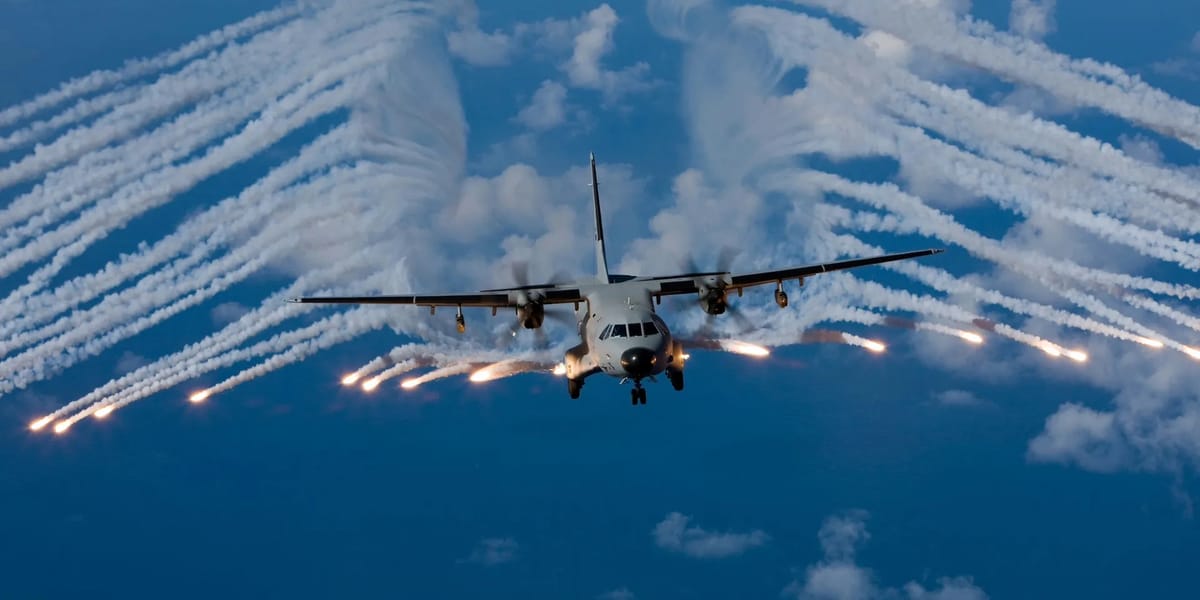
India is on the verge of a notable advancement in its defense capabilities with the impending rollout of its first locally assembled Airbus C-295 transport aircraft. This significant development is taking place at the Tata-Airbus military transport aircraft plant located in Gujarat, marking a pivotal moment for India's indigenous military manufacturing efforts.
The C-295, designed for tactical airlift missions, is expected to enhance the operational flexibility of the Indian Air Force. This aircraft is part of a broader initiative to bolster domestic defense production, aligning with the Indian government's push for self-reliance in military capabilities. The collaboration between Tata and Airbus signifies a crucial step towards not only improving India's defense infrastructure but also establishing a more robust local aerospace industry.
Strategic Implications and Future Prospects
The rollout of the C-295 raises questions about India's future defense procurement strategies and its capacity to produce advanced military hardware independently. With the enhancement of local capabilities, India may reduce its reliance on foreign defense imports, potentially altering the balance of defense partnerships in the region. This shift could lead to increased competition among global defense contractors looking to engage with the Indian market.
Why it matters: The successful introduction of the C-295 into service will not only improve logistical capabilities for the Indian military but also serve as a benchmark for future projects in defense manufacturing. Analysts will be watching how this development influences other defense programs and whether it attracts further investment in India's defense sector. The implications of this localized production could resonate beyond India, impacting regional defense dynamics and international defense trade.
Sources: Thedefensepost, The Defense Post, MSN, Republic World, and The Economic Times