Indonesia and Singapore Expand Military Training Cooperation

Strengthening Defense Ties
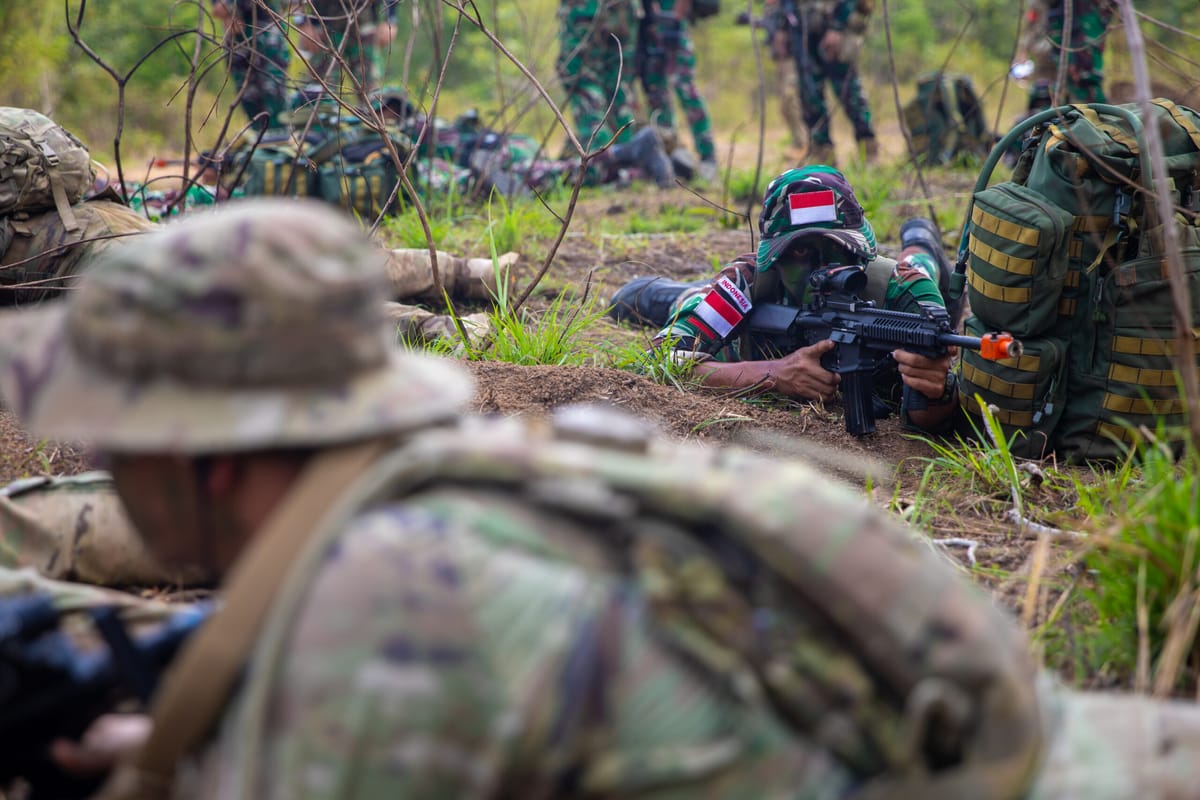
Indonesia and Singapore are set to enhance their defense collaboration through the establishment of new military training facilities in Sumatra and Kalimantan. This initiative is part of their ongoing bilateral defense agreement, aimed at improving warfighter readiness and operational capabilities. The agreement underscores a mutual commitment to regional stability and security, and it is expected to be implemented in the near future.
Context and Strategic Implications
The expansion of military training zones reflects a growing recognition of the importance of joint exercises and preparedness in addressing regional security challenges. The partnership between Indonesia and Singapore has been a longstanding one, built on shared interests in maintaining peace and stability in Southeast Asia. By enhancing their military capabilities through these new training sites, both nations aim to create a more robust defense posture capable of responding to evolving threats.
This initiative also highlights the increasing focus on multilateral military cooperation in the region. With rising geopolitical tensions, particularly concerning maritime security and territorial disputes, the establishment of these training facilities could serve as a deterrent against potential aggressors. Analysts will be watching how this development influences the strategic balance in the region, especially in relation to other ASEAN nations and external powers with interests in Southeast Asia.
Why it Matters: The implications of this enhanced military cooperation extend beyond Indonesia and Singapore. As both countries invest in their defense capabilities, the potential for increased collaboration with other regional partners may emerge, fostering a network of alliances aimed at countering shared threats. This could reshape the security dynamics in Southeast Asia and strengthen collective defense mechanisms against external challenges.
Sources: Thedefensepost, The Defense Post, The Independent Singapore News, ANTARA News, and The New Arab