Indonesia's Defense Strategy: Shifts in Air and Naval Capabilities

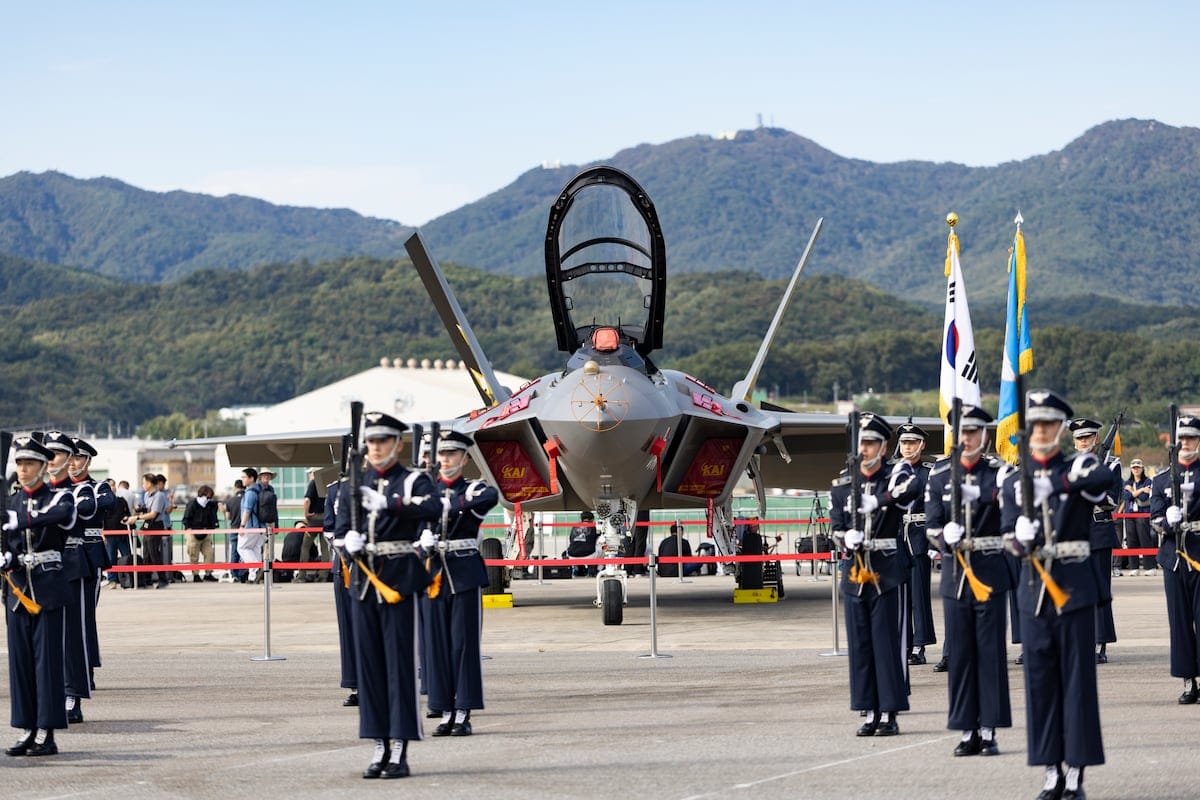
Recent developments in Indonesia's defense landscape indicate a notable shift in procurement strategies. As the nation reassesses its military capabilities, two significant decisions have emerged: the abandonment of co-production plans for the KF-21 fighter jets and the initiation of submarine production with France's Naval Group.
What happened
In a strategic pivot, Indonesian officials have decided to drop plans for the co-production of the South Korean-made KF-21 fighter jets. This decision raises questions about the future of Indonesia's air force modernization efforts and opens the door for exploring alternatives. Officials are also considering other fighter options, suggesting a broader reevaluation of Indonesia's air defense strategy.
In parallel, the Indonesian Navy is advancing its maritime capabilities with the construction of two Evolved Scorpène-class submarines. PT PAL, in collaboration with France’s Naval Group, has officially kicked off production in Surabaya, East Java. This move is expected to enhance Indonesia's underwater warfare capabilities and bolster its naval presence in the region.
The strategic calculus
- Abandoning the KF-21 co-production may reflect concerns over costs, technology transfer, or geopolitical factors influencing defense procurement.
- Exploring alternative fighter options indicates a desire for flexibility and potentially better-suited technologies for Indonesia's unique operational needs.
- The commencement of Scorpène submarine production signifies a commitment to strengthening naval capabilities, crucial for patrolling Indonesia’s extensive maritime boundaries.
These decisions highlight Indonesia's strategic focus on diversifying its military acquisitions while addressing specific threats in both air and maritime domains. The implications of these shifts could resonate throughout Southeast Asia, impacting regional security dynamics.
On the ground
As these developments unfold, analysts will be closely monitoring Indonesia's defense procurement trends. The choice to build submarines in collaboration with a foreign partner reflects both the need for advanced naval technology and the importance of domestic production capabilities. This dual approach underscores Indonesia's ambition to enhance its defense autonomy.
In summary, Indonesia's recent moves signal a proactive stance in defense strategy, with significant implications for regional security. The abandonment of the KF-21 co-production could reshape Indonesia's air force ambitions, while the submarine program represents a critical step in strengthening naval power.
Sources: Defensenews, Thedefensepost, The Diplomat – Asia-Pacific, StratNews Global, Evrim Ağacı, and The Aviationist