Innovations in Infantry Support and Armored Warfare: A 2026 Overview

The landscape of modern warfare continues to evolve, marked by the introduction of innovative technologies and strategies aimed at enhancing infantry capabilities and armored support. Recent developments from the DSA 2026 exhibition in Malaysia and the German military's operational tests highlight a strategic shift towards lightweight, versatile weapon systems and robust airborne support mechanisms.
What Happened
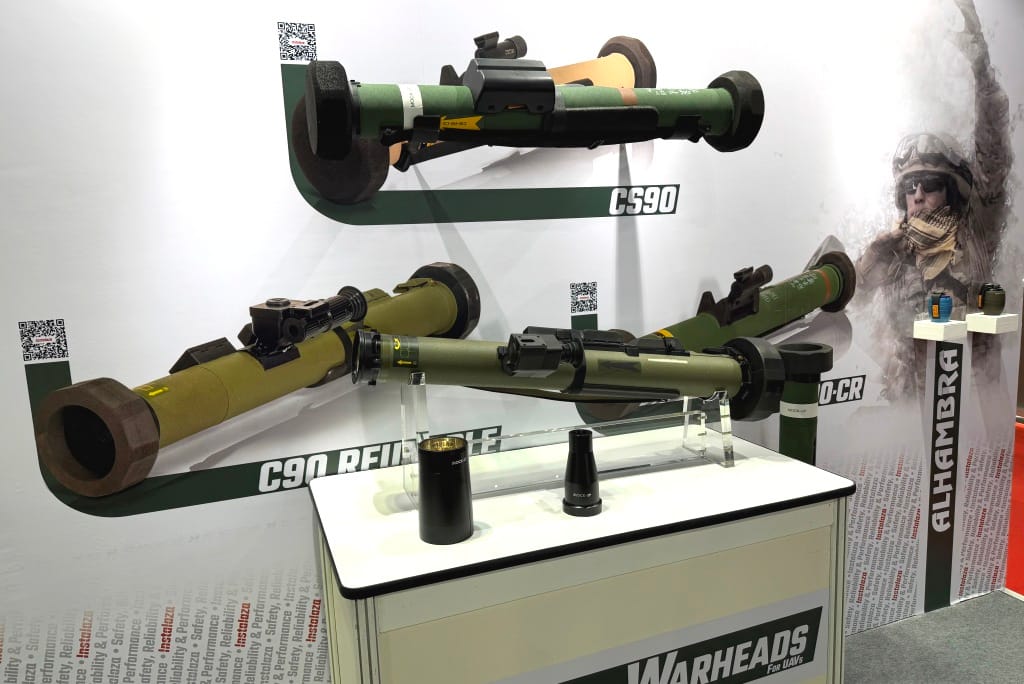
At the DSA exhibition in Malaysia, Spain’s Instalaza showcased the C90 Reusable shoulder-fired weapon system. This ultra-light "tank killer" is designed to redefine infantry firepower by providing soldiers with a portable and effective means to engage armored threats. The C90's debut in Asia signifies a growing interest in advanced infantry support systems that can operate effectively in diverse combat environments.
In a related development, the German military conducted its first airdrop of the Wiesel infantry fighting vehicle from an A400M transport aircraft. This operation underscores the importance of rapid airborne support, allowing for the quick deployment of armored vehicles in response to evolving battlefield dynamics.
The Strategic Calculus
The introduction of systems like the C90 Reusable reflects a broader trend in military modernization focused on enhancing infantry lethality. Key aspects include:
- Lightweight design: The C90 enables soldiers to carry effective anti-tank capabilities without the burden of heavier weaponry.
- Improved mobility: The Wiesel’s airdrop capability allows for swift deployment, providing critical support where and when it is needed most.
- Integration of advanced materials and technologies in weapon systems to enhance durability and combat effectiveness.
Germany's successful airdrop of the Wiesel also highlights the growing emphasis on air mobility in contemporary military operations, particularly in Europe. This operational capability allows for the rapid repositioning of forces in response to threats, ensuring that ground troops are supported by armored vehicles without the delays associated with traditional transport methods.
Industry Fallout
The ongoing developments in infantry and armored vehicle capabilities raise important questions for defense industries worldwide. The implications of these innovations could lead to shifts in:
- Military procurement strategies as nations seek to update their arsenals with more advanced systems.
- Joint operations and interoperability among allied forces in light of new weapon technologies.
- Investment in research and development for next-generation infantry support solutions.
Additionally, the enduring legacy of established platforms like the M1 Abrams tank continues to play a role in armored warfare discussions. The Abrams remains a reliable source of power on the battlefield, adapting to meet modern challenges while maintaining its core strengths.
As nations assess their defense readiness, the emphasis on integrating new technologies alongside proven systems will be crucial. Analysts will be watching how these trends influence military tactics and international defense collaborations moving forward.
Sources: Edrmagazine, Armyrecognition, Thedefensepost, and EDR Magazine - European Defence Review