Innovations in Naval Warfare: Gidropribor's Torpedo and ZALA's USVs

Recent advancements in naval warfare technology signal a strategic evolution in maritime capabilities, particularly with the unveiling of new systems by Gidropribor and ZALA. As conflicts such as the Ukrainian war prompt rapid innovation, these developments highlight both the defensive and offensive potential of modern naval assets.
What Happened
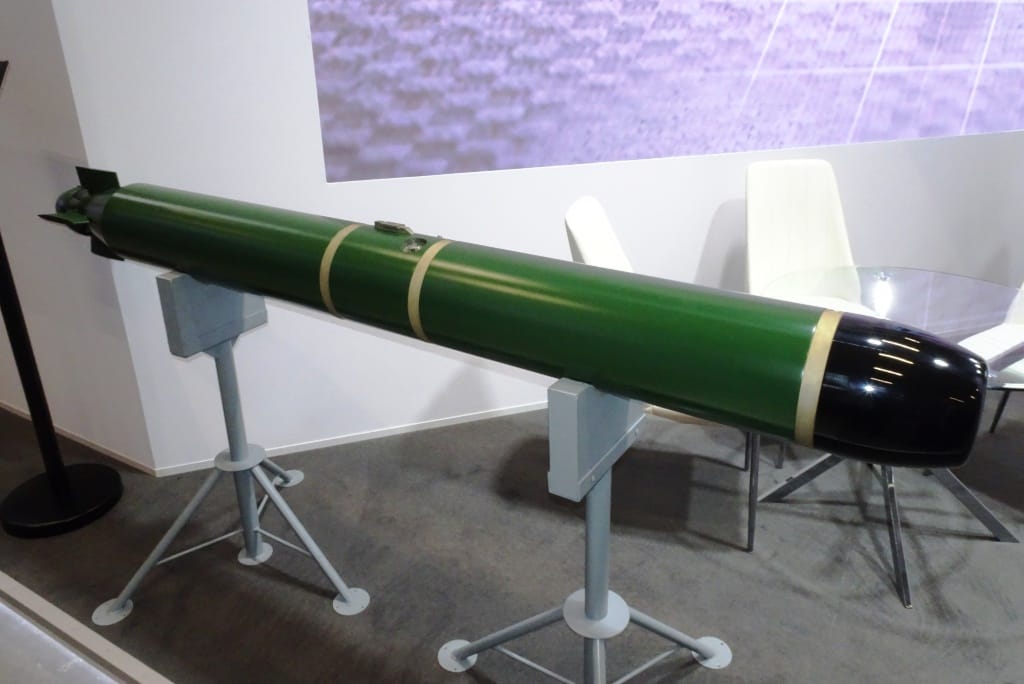
Gidropribor Marine Underwater Weapons, part of the KTRV Tactical Missiles Corporation, has introduced a universal small-size torpedo (universalnya malogabaritnaya torpeda, UMT). This torpedo is designed to enhance operational versatility and effectiveness in various maritime scenarios.
Simultaneously, ZALA has showcased its Kama unmanned surface vessels (USVs), which are a direct response to the extensive use of naval USVs observed during the Ukrainian war. These unmanned systems represent a shift towards automation in naval operations, aiming to reduce risks to human life while increasing operational reach.
The Strategic Calculus
The development of Gidropribor's UMT and ZALA's Kama USVs underscores a broader strategic shift towards integrating advanced technologies in naval warfare. Key implications include:
- Enhanced Lethality: The UMT's design allows for increased engagement options against a variety of naval targets.
- Operational Flexibility: The small size of the torpedo enables deployment from various platforms, potentially expanding the operational scope of naval forces.
- Reduced Human Risk: USVs like the Kama can conduct missions in hostile environments without risking crewed vessels.
These advancements may compel other nations to accelerate their own naval modernization efforts, particularly those involved in regional conflicts or maritime disputes.
Industry Fallout
The introduction of these sophisticated systems is likely to reshape competitive dynamics within the defense industry, as nations and companies strive to keep pace with emerging technologies.
- Countries with existing naval capabilities may seek to upgrade their fleets to incorporate similar technologies.
- Defense contractors may experience increased demand for research and development in unmanned systems and advanced weaponry.
- Strategic partnerships may emerge as nations collaborate on technological innovations to enhance their maritime defense capabilities.
As these technologies become more accessible, the potential for asymmetric warfare strategies increases, prompting a need for reevaluation of current naval doctrines.
Sources: Edrmagazine