Innovative Tactical Technologies Unveiled at SOF Week

Overview of New Tactical Systems
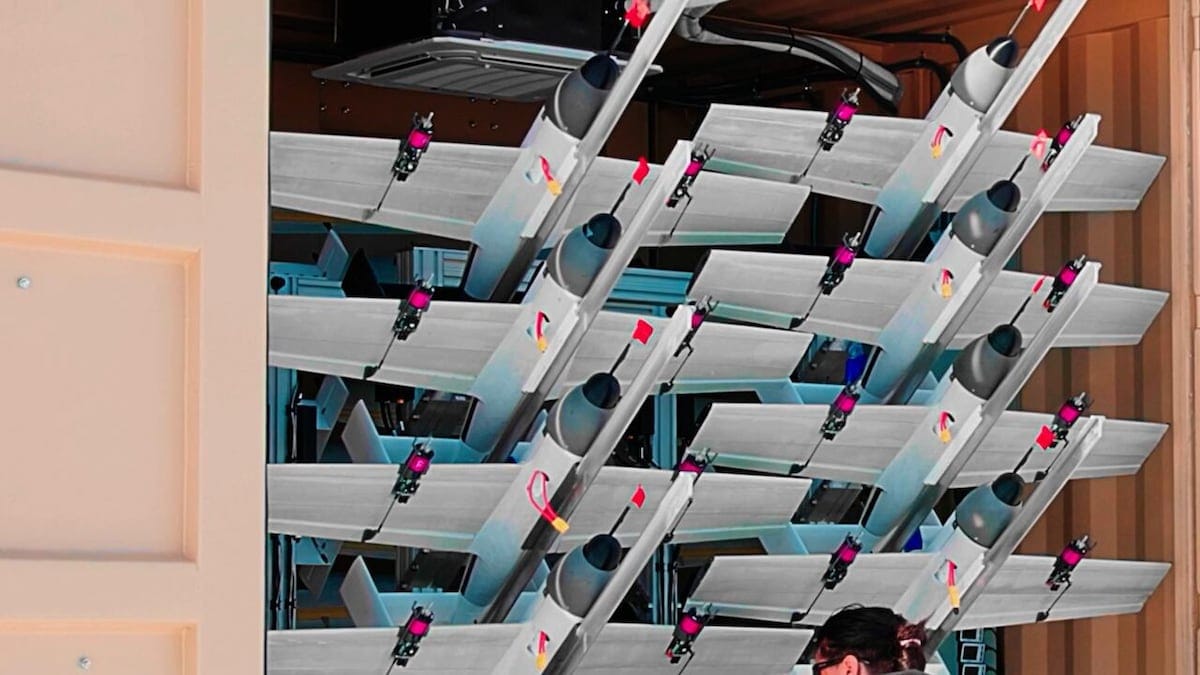
At the recent SOF Week, innovative tactical technologies were showcased, including lightweight one-way drones and a throwable 360-degree tactical camera. These advancements highlight an ongoing trend towards enhancing operational capabilities for Special Operations Forces. The lightweight construction of these drones allows for increased maneuverability and ease of use in varied environments, while the throwable camera provides a comprehensive situational awareness tool for operators entering potentially hostile spaces.
Context and Analysis
The introduction of these systems at SOF Week underscores the increasing emphasis on small, portable technology that can be easily deployed in the field. One-way drones, designed for specific missions, can be utilized for surveillance or target acquisition without the need for recovery. This aligns with modern military strategies that prioritize stealth and efficiency in operations. Meanwhile, the throwable tactical camera offers a significant advantage by enabling operators to gain a full-spectrum view of a room or area before entry, potentially reducing risks and informing tactical decisions.
The integration of such technologies into operational protocols raises questions about the future of situational awareness and combat engagement tactics. As military operations evolve, these systems could change the way forces approach threats, allowing for more informed decision-making and enhanced coordination in real-time. The implications for training and deployment strategies are substantial, as units may need to adapt to incorporate these new tools effectively.
Why it matters: The development of these tactical systems reflects a broader shift towards leveraging technology to enhance military effectiveness. As threats become more complex, technologies like one-way drones and throwable cameras will likely play a crucial role in future operations. Analysts will be watching how quickly these innovations are adopted within Special Operations and their impact on overall mission success.
Sources: Defensenews, Air Force Times, Military Embedded Systems, Interesting Engineering, and SOFREP