Insights into the Hermes Drone: Capabilities and Controversies

Overview of the Hermes Drone
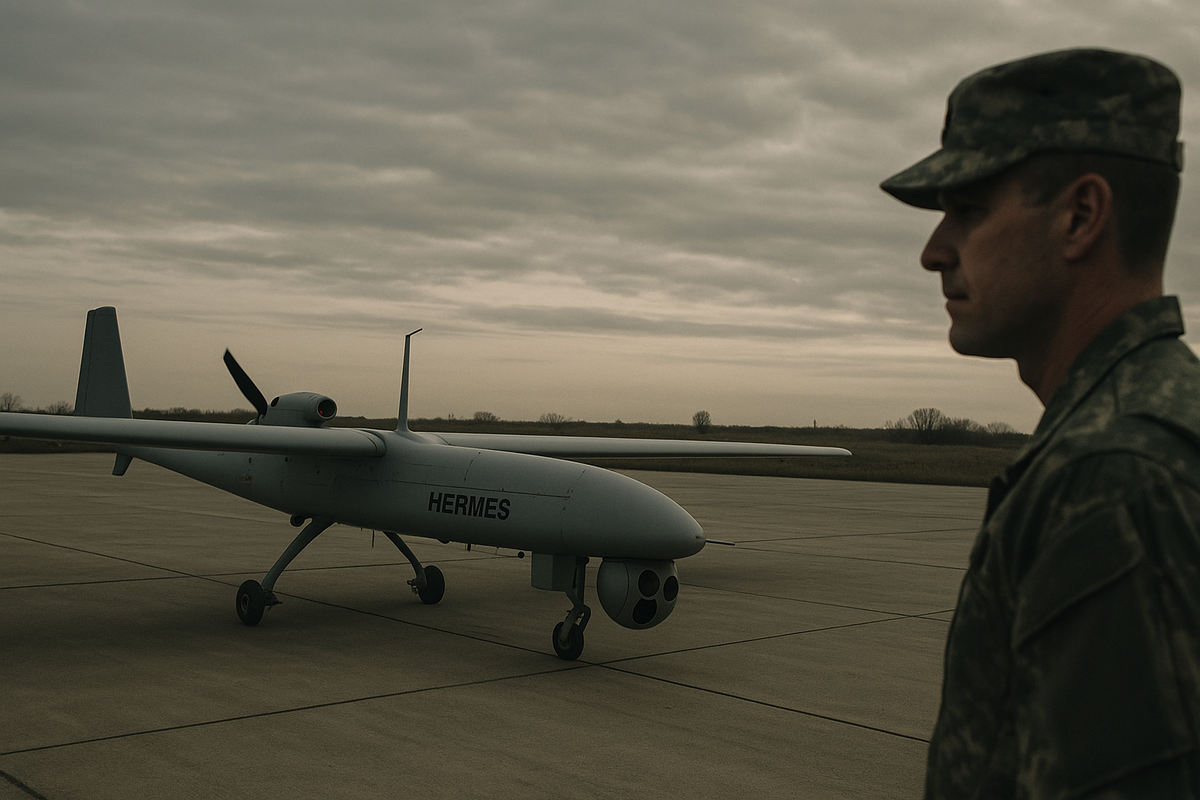
The Hermes drone, a significant asset in modern military operations, has garnered attention for its advanced capabilities and the controversies surrounding its deployment. It is primarily designed for intelligence, surveillance, and reconnaissance (ISR) missions, providing real-time data to military commanders and enhancing situational awareness on the battlefield. These drones are equipped with sophisticated sensors and imaging systems, enabling them to operate effectively in various environments.
Context and Analysis
Despite its technological advancements, the Hermes drone faces scrutiny regarding its implications for privacy and military ethics. Critics argue that such persistent surveillance capabilities can lead to potential overreach and unintended consequences during operations. The debate is further complicated by differing views on the balance between enhanced security and individual rights. As military forces increasingly rely on drone technology, the controversy surrounding the Hermes highlights a broader discussion about the role of unmanned systems in contemporary warfare.
The strategic use of Hermes drones reflects a trend towards integrating advanced technologies into defense operations. Analysts will be watching how the U.S. and allied forces adapt their strategies in response to public concern over the ethical deployment of surveillance drones. The ongoing discussion about the Hermes drone's role may shape future policies governing military operations and the development of unmanned systems.
Ultimately, the implications of the Hermes drone extend beyond its operational capabilities. As military organizations navigate the challenges of modern warfare, the controversies surrounding this technology will influence how defense policies evolve, particularly concerning surveillance ethics and military accountability. This raises the question of how the U.S. government will address public concerns while maintaining effective defense mechanisms.
Sources: Thedefensepost, Interesting Engineering, The Aviationist, Royal United Services Institute (RUSI), and Raksha Anirveda