Federal authorities monitor potential Iran cyberattacks and address Stryker breach.

Current Cyber Threat Landscape: Monitoring Iran-Linked Activity
Overview
Recent assessments by federal cyber officials indicate a stable state of threat activity linked to Iranian actors since the onset of heightened conflict in the region. While vigilance remains high, significant increases in offensive cyber actions have not yet been detected.
Status of Iranian Cyber Activities
- Observation Period: Officials from the Cybersecurity and Infrastructure Security Agency (CISA) and the Department of Defense (DoD) have reported no notable uptick in cyberattacks related to Iran.
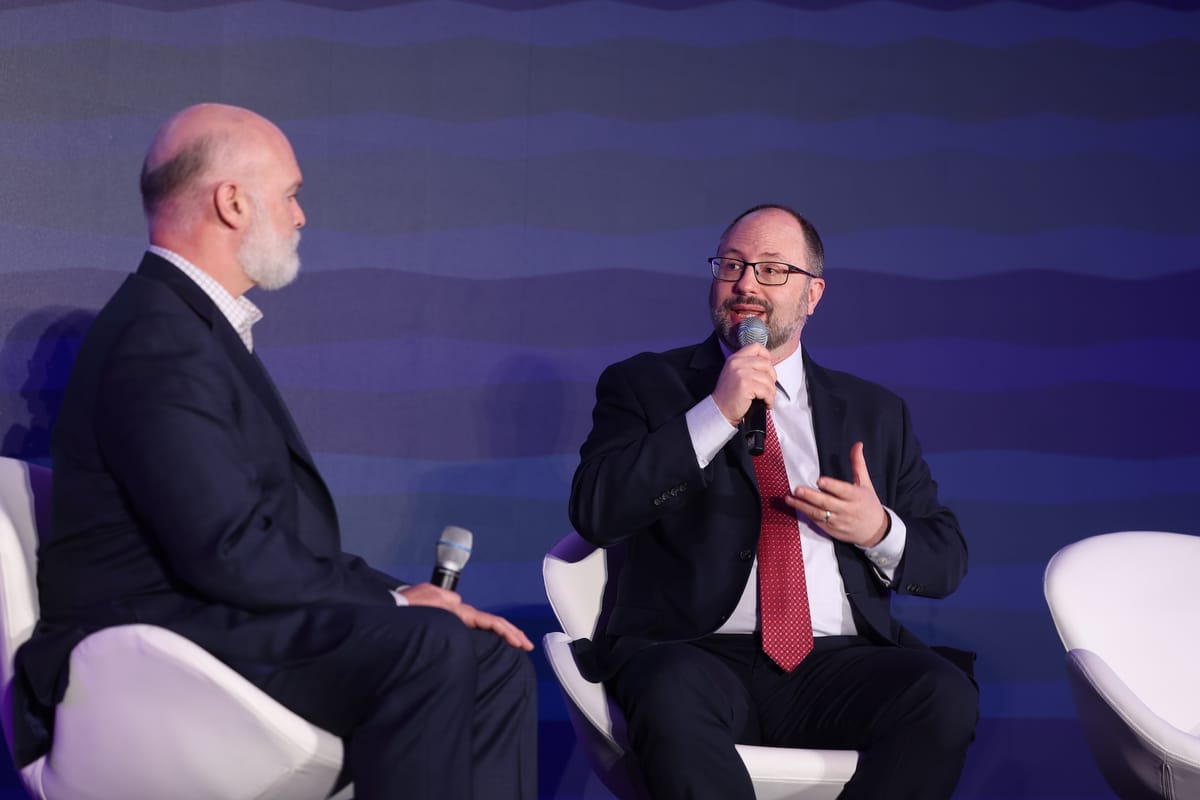
- Operational Readiness: Terry Kalka, Director of the Defense Industrial Base Collaborative Information Sharing Environment at the DoD’s Cyber Crime Center, emphasized the absence of immediate effects despite known adversarial tactics and indicators being present.
- CISA Insights: Nick Andersen, the acting director of CISA, corroborated these findings, stating that the threat environment remains stable without a discernible escalation of malicious actor activity.
Focus on the Stryker Incident
A recent incident involving the medical device manufacturer Stryker has captured the attention of cybersecurity professionals:
- Stryker Cyberattack: An Iranian hacking group, known as Handala, has claimed responsibility for a cyber intrusion that significantly disrupted Stryker’s operational capabilities, particularly within their Microsoft environment.
- CISA Recommendations: In response to the attack, CISA has issued advisories urging organizations to enhance their endpoint management systems, particularly utilizing Microsoft’s Intune tool to strengthen defenses against similar incursions.
Implications for Defense Infrastructure
Kalka highlighted the broader implications of the Stryker incident:
- Data Sensitivity: The breach underscores vulnerabilities not only to defense-related information but also to corporate communications and private data.
- Strategic Considerations: Understanding the operational frameworks of organizations through compromised communications can yield valuable intelligence for adversaries.
Continuing Vigilance in a Dynamic Cyber Landscape
Both CISA and the FBI have initiated dialogues with Stryker to assess the breach’s ramifications. Moreover, recent actions by the FBI, including the dismantling of websites associated with Handala, illustrate a proactive approach to mitigating threats.
- Persistent Threats: Andersen noted that while specific nation-state adversaries are under scrutiny, it is crucial to consider the broader spectrum of cybercriminal activities. The landscape is characterized by:
- Diverse Actor Motivation: Cybercriminals and other adversaries are continually seeking to exploit vulnerabilities in critical infrastructure and IT systems.
- Ongoing Challenges: CISA is also navigating fiscal constraints due to ongoing congressional disputes over the Department of Homeland Security’s funding, which compounds the challenges faced in maintaining operational effectiveness.
Final Thoughts
As the situation evolves, it will be essential for defense organizations and private entities to remain vigilant and adaptive. Enhanced collaboration between government agencies and the private sector, along with robust cybersecurity measures, will be pivotal in addressing the complexities of today’s cyber threats. The emphasis on collective defense strategies is key to mitigating potential impacts from future cyber incidents. Source link