Iran Targets ‘Terrorist Groups’ in Iraqi Kurdistan

Military Action in Iraq
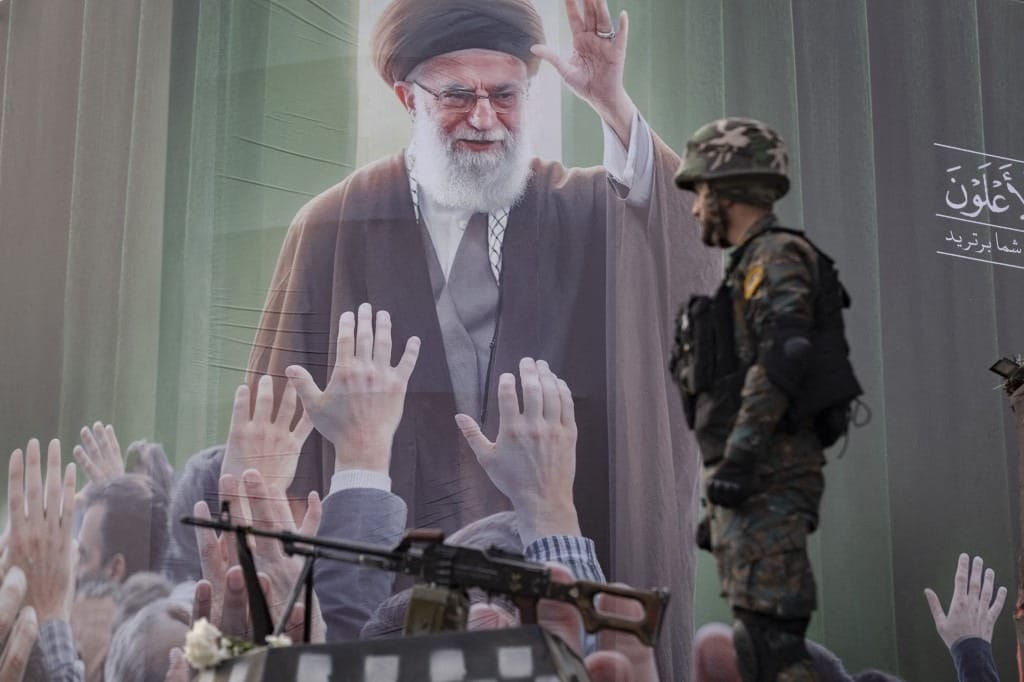
On Monday, Iran's Revolutionary Guards conducted military operations against the headquarters of what they termed "terrorist groups" located in Iraqi Kurdistan. This action underscores Iran's ongoing efforts to address perceived threats along its borders, particularly from groups it associates with unrest or opposition to its regime.
The strike reflects Iran's broader strategy to exert influence in the region and eliminate adversaries that it considers detrimental to its national security. Iraqi Kurdistan has been a focal point for various armed factions, some of which are backed by foreign adversaries, leading to a complex security environment. The Iranian government's characterization of these groups as "terrorists" highlights its narrative of defending sovereignty against external threats, particularly from the U.S. and its allies in the region.
Regional Implications
This military action raises critical questions about the stability of Iraqi Kurdistan and the potential for escalation in Iranian operations. As Iran continues to target these groups, the risk of retaliation or increased military engagement from the affected factions could destabilize the region further. The operations may also provoke responses from the Iraqi central government, which has its own interests in maintaining control over its northern territories.
The implications of this situation extend beyond local borders. Analysts will be watching how these developments influence U.S.-Iran relations, particularly in light of ongoing tensions regarding Iran's nuclear program and its regional activities. Furthermore, the response from Kurdish authorities and neighboring countries could shape future military and diplomatic engagements in the region.
This action illustrates Iran's commitment to countering threats along its borders. The potential for increased military operations may alter the dynamics of regional security alliances and influence the strategies of foreign powers involved in the area. In summary, Iran's targeting of these groups in Iraq indicates a significant posture against perceived threats, with potential ramifications for regional stability and international relations.
Sources: Thedefensepost, The Defense Post, The Times of Israel, Radio Free Europe/Radio Liberty, and IraqiNews