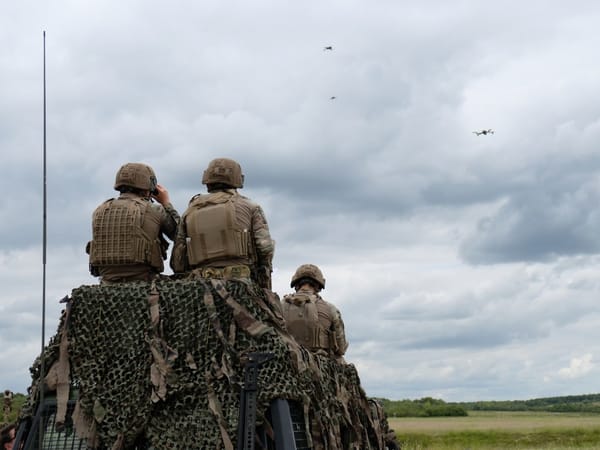
Iranian Submarine Sunk by ATACMS Short-Range Ballistic Missile

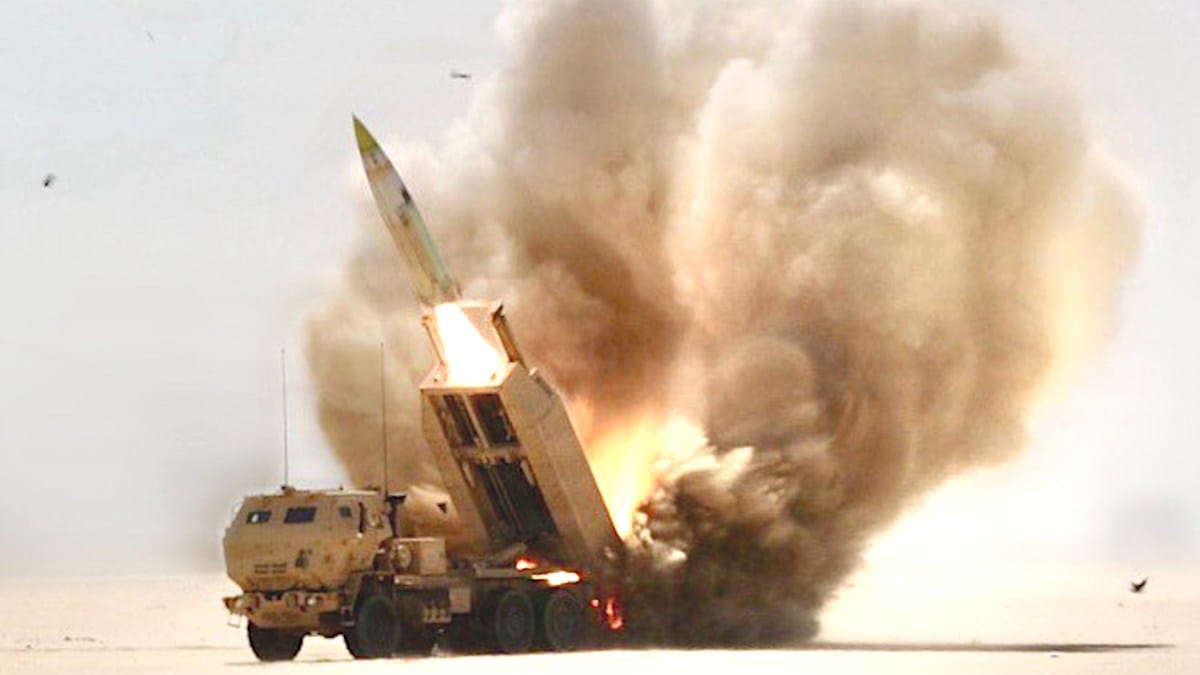
U.S. Forces Target Iranian Naval Capabilities with Precision Strikes
Overview of Recent Military Engagements
U.S. military operations against Iranian forces have witnessed significant advancements, particularly concerning naval assets. Recent strikes utilizing Army Tactical Missile Systems (ATACMS) have targeted vessels within Iran’s maritime fleet, including a notable submarine. As ATACMS are not designed for moving targets, it is inferred that the submarine was docked during the engagement.
Operation Epic Fury: A Strategic Offensive
The U.S. has escalated its military response in the region through Operation Epic Fury, which prominently features the employment of High Mobility Artillery Rocket System (HIMARS) launchers firing ATACMS and Precision Strike Missiles (PrSM). This initiative marks the inaugural combat deployment of PrSMs, extending the operational reach of U.S. artillery capabilities.
Key Highlights:
- Targeting Strategy:
- U.S. forces have effectively neutralized significant components of the Iranian Navy, with artillery units playing a crucial role.
- In the initial 13 days of the operation, artillery strikes have garnered historic outcomes, including the first use of PrSMs in combat.
- Artillery Contributions:
- Gen. Dan Caine, Chairman of the Joint Chiefs of Staff, underscored the significant contributions of field artillery units, emphasizing their role in disrupting Iranian supply lines and diminishing their naval power.
- Vessels Engaged:
- Artillery forces have reportedly succeeded in sinking various Iranian ships, including a submarine, underscoring the operational efficacy of U.S. artillery in modern naval warfare.
Implications for Regional Security
The impact of these operations is felt acutely within the geopolitical theater of the Middle East. U.S. forces have successfully rendered the Iranian Navy largely ineffective in combat scenarios, yet continued operations against naval vessels persist. Chairman Caine highlighted ongoing strikes as a deterrent against Iranian maritime aggression.
Observations from Conflict Analysis:
- Satellite Insights:
- Analysis of satellite imagery has confirmed the sinking of a Russian-built Kilo-class submarine at Bandar Abbas, further accentuating the strategic value of this naval base situated near the Strait of Hormuz.
- Intelligence Disclosures:
- U.S. Navy Adm. Brad Cooper noted significant damage inflicted on Iranian submarines, indicating a systematic targeting strategy that prioritizes key maritime assets.
Strategic Context of Submarine Warfare
The focus on Iranian submarines aligns with the larger U.S. objective of mitigating Iran’s underwater capabilities. Historically, Iranian submarines have been utilized for various roles, from laying mines to potential strike missions against civilian and military maritime traffic. The emerging situation has raised alarms regarding safety in the Strait of Hormuz, a crucial maritime route for global shipping.
Technological Innovations in Warfare
Recent military actions serve to showcase advancements in U.S. missile technology:
- PrSM Developments:
- The transition from ATACMS to PrSM represents a shift in operational capabilities, with the latter expected to serve as a more versatile platform capable of engaging both stationary and moving maritime targets.
- The recent test launches of PrSM’s Increment 2 variant reveal operational ranges of approximately 350 kilometers, thus broadening strategic engagement zones.
Future Prospects
As military engagements evolve, U.S. forces seem poised to leverage lessons learned in this conflict for prospective confrontations in diverse theaters. The effective application of precision-guided munitions in naval contexts may foreshadow similar strategies in potential high-stakes scenarios, including confrontations with major state actors in the Pacific.
Conclusion
The current operational landscape surrounding U.S. military engagement with Iranian forces underscores not only a tactical success but also a revolution in warfare methodologies. The ability to address threats from naval assets through advanced artillery and missile technologies signals a pivotal change in national defense strategies, relevant for analysts and policymakers alike.
The developments in Iran may hold significant implications for future military operations and broader regional stability, warranting continued observation and adaptation from defense professionals.