Iran's Attack on Ships Heightens Tensions in the Strait of Hormuz

Incident Overview
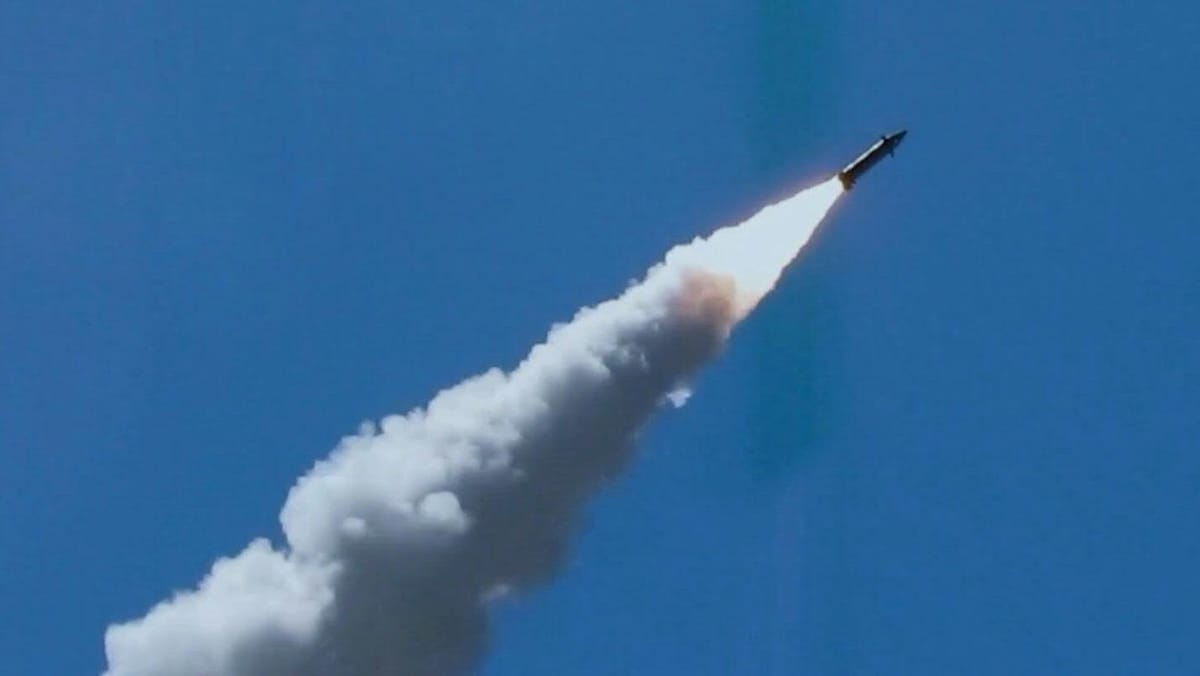
The United Arab Emirates reported on Tuesday that Iran conducted missile attacks on two vessels traversing the Strait of Hormuz, resulting in one fatality and eight injuries among crew members. This incident marks a significant escalation in maritime hostilities in a region critical for global oil transport and trade.
Context and Implications
The Strait of Hormuz, a vital waterway, sees approximately 20% of the world's oil pass through its waters. Previous tensions in this area have often stemmed from geopolitical conflicts involving Iran, particularly concerning its nuclear program and regional influence. The recent attacks not only underline Iran's continued assertiveness but also raise concerns about the security of maritime operations in one of the world's most strategically important waterways. Analysts will be closely monitoring the international response to this act of aggression, particularly from countries heavily reliant on oil shipments through the Strait.
Moreover, this incident could have broader implications for U.S. foreign policy in the region under the current administration. With President Trump in office, the U.S. may reassess its strategic posture in the Gulf, including the potential for increased naval presence or enhanced support for allied naval forces. The ramifications of this attack extend beyond immediate security concerns, potentially impacting global oil prices and regional stability.
This situation raises the question of how the U.S. and its allies will respond to ensure the safety of maritime navigation in the face of Iranian aggression. Future developments will be critical in determining whether this incident leads to a more robust military posture in the region or a diplomatic initiative aimed at de-escalation.
Sources: Thedefensepost, gCaptain, Reuters, Kuehne+Nagel, and stripes.com