Israeli Air Force Neutralizes Iranian SA-65 Air Defense System, Known as Khordad-3

Analytical Overview of Operation Epic Fury: The Implications of Israeli Strikes on Iranian Air Defense Capabilities
Introduction to Recent Military Developments
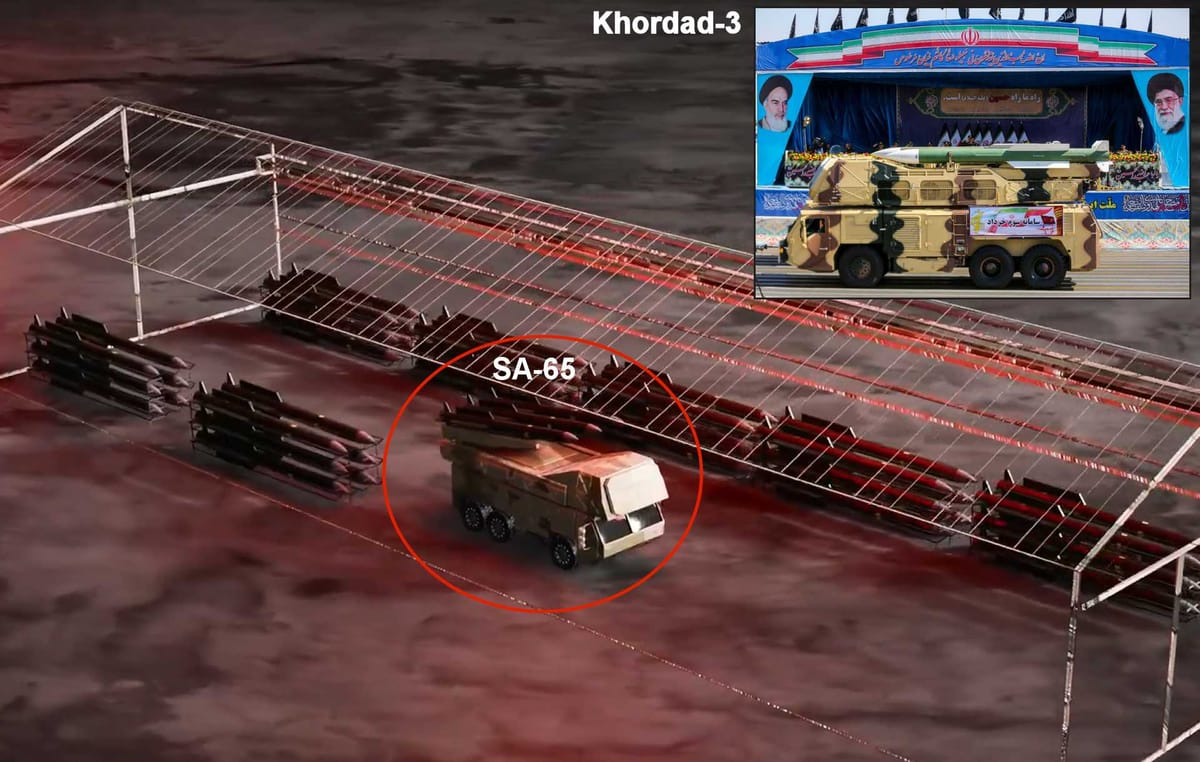
On February 28, 2026, the Israeli Air Force executed coordinated airstrikes targeting significant Iranian air defense assets during Operation Epic Fury. Analysts have verified the destruction of a notable battery, identified as a Khordad-3 medium-range surface-to-air missile system, located in the Kermanshah region of western Iran. This development not only diminishes Iran’s aerial defense capabilities but also highlights Israel’s operational effectiveness in penetrating multi-layered defense networks.
Targeting Iran’s Air Defense Infrastructure
Israeli military operations have focused on degrading sophisticated air defense systems that serve a pivotal role in the protection of critical Iranian military and industrial installations. Intelligence assessments suggest that the Khordad-3 system, exhibited in video footage released by the Israeli Air Force, functions as a critical element within Iran’s multi-tier air defense architecture. This system is particularly adept at engaging aerial threats, including aircraft, cruise missiles, and unmanned aerial vehicles (UAVs), offering a defense range of approximately 50 to 75 kilometers and an altitude coverage of 25 to 30 kilometers.
Key Features of the Khordad-3 System
- Developed indigenously by Iran, the Khordad-3 integrates cutting-edge technology, including:
- A transporter-erector-launcher mounted on a tactical chassis featuring three vertical missile canisters.
- A dedicated radar vehicle outfitted with a flat-panel phased-array antenna for simultaneous tracking and guidance capabilities.
Understanding the configuration highlights the Khordad-3’s distinctive operational characteristics and differentiates it from both Russian-origin Buk systems and S-300 family systems.
Operational Significance of the Strikes
The Israeli operation’s geographic focus on Kermanshah is strategic, given that this area acts as a crucial defensive perimeter for Iran. It not only safeguards key missile infrastructures and command facilities but also secures the western air approaches that connect Iraq with central Iran. The elimination of a Khordad-3 system in this strategically vital zone substantially decreases the operational depth and defensive density of Iranian airspace, potentially exposing valuable targets to Israeli aerial operations.
Implications of Reduced Air Defense Density
- Increased Vulnerability: The neutralization of the Khordad-3 battery diminishes Iran’s protective capabilities, leading to:
- Greater susceptibility to precision-guided munitions and coordinated air strikes.
- Potential openings for tactical incursions by various aerial platforms.
- Impact on Layered Defense Strategy: Medium-range systems provide vital coverage against low-flying threats and are integral to an effective layered defense strategy. The loss of such systems disrupts the interconnectivity necessary for an effective national defense posture.
Strategic Context and Future Considerations
The targeting of advanced air defense systems like the Khordad-3 underscores Israel’s commitment to degrading Iran’s overall defensive posture. Iran’s air defense strategy emphasizes layered, overlapping engagement zones that serve to deter sophisticated air threats. Systematic targeting of these medium-range assets threatens to erode Tehran’s deterrent capabilities, ultimately altering the strategic balance in favor of Israel.
Operational Considerations:
- Continued monitoring of the situation through satellite imagery and damage assessments will clarify the extent of operational degradation inflicted on Iran’s air defenses.
- Should Israel persist in neutralizing additional Khordad-3 units, the cumulative impact could significantly reshape aerial access and strike survivability across western Iran.
Conclusion
The destruction of the Khordad-3 medium-range air defense system marks a pivotal moment in the ongoing regional power dynamics. By dismantling key components of Iran’s air defense architecture, Israel not only asserts its capability to inspire fear through operational reach but also prompts a re-evaluation of Iran’s broader military strategy. Future developments must be closely observed to assess their implications for regional security and deterrence frameworks.
Written by Alain Servaes – Chief Editor, Army Recognition Group
With over two decades of experience in defense journalism, Alain Servaes combines military insights with an understanding of contemporary security challenges. His analyses provide valuable perspectives on military equipment and operations across the global defense landscape.