Israeli Airstrikes in South Lebanon Result in Paramedic Casualties

Incident Overview
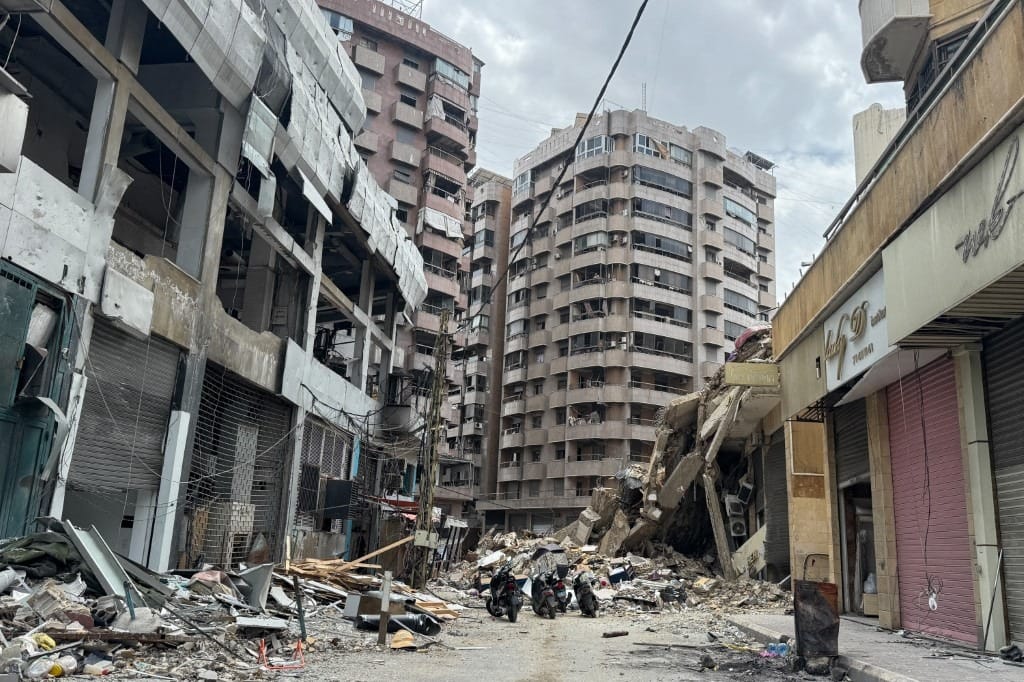
Israel has conducted airstrikes in southern Lebanon, resulting in the deaths of two paramedics affiliated with Hezbollah. These strikes occurred despite an ongoing ceasefire, raising significant concerns regarding the stability of the region and the adherence to agreements aimed at de-escalating violence.
Context and Analysis
The recent strikes reflect Israel's continued military operations in response to perceived threats from Hezbollah, an armed organization based in Lebanon. This incident underscores the complexities of the security landscape in southern Lebanon, where military engagements often intersect with humanitarian efforts. The targeting of paramedics, who play a crucial role in providing emergency medical assistance, raises serious ethical questions and highlights the risks faced by non-combatants in conflict zones.
Hezbollah's involvement complicates the situation further, as the group is designated as a terrorist organization by several countries, including the United States. The strikes may be interpreted as an attempt by Israel to send a stern message to Hezbollah and deter further aggression, while also testing the resolve of international mediators to maintain the ceasefire.
This situation emphasizes the fragile balance of power in the region, where military actions can quickly escalate into broader conflict. As hostilities continue, the risk of civilian casualties increases, potentially fueling further resentment and retaliation against Israeli forces. Analysts will be closely monitoring how this incident affects regional alliances and the potential for renewed conflict in southern Lebanon.
Why it Matters
The implications of these strikes extend beyond immediate casualties. They signal a potential shift in Israel's operational strategy, particularly in how it addresses threats from Hezbollah amidst a ceasefire. The international community will likely face renewed pressure to intervene and mediate, as the ramifications of such military actions could destabilize the region further. Observers will be watching for any changes in Hezbollah's operational posture in response to these strikes, as well as the broader geopolitical consequences for Israeli-Lebanese relations.
Sources: Thedefensepost, Al Jazeera, BBC, The Times of Israel, and The New York Times