Israeli Forces Utilize Makeshift Base in Iraq During Iran Conflict

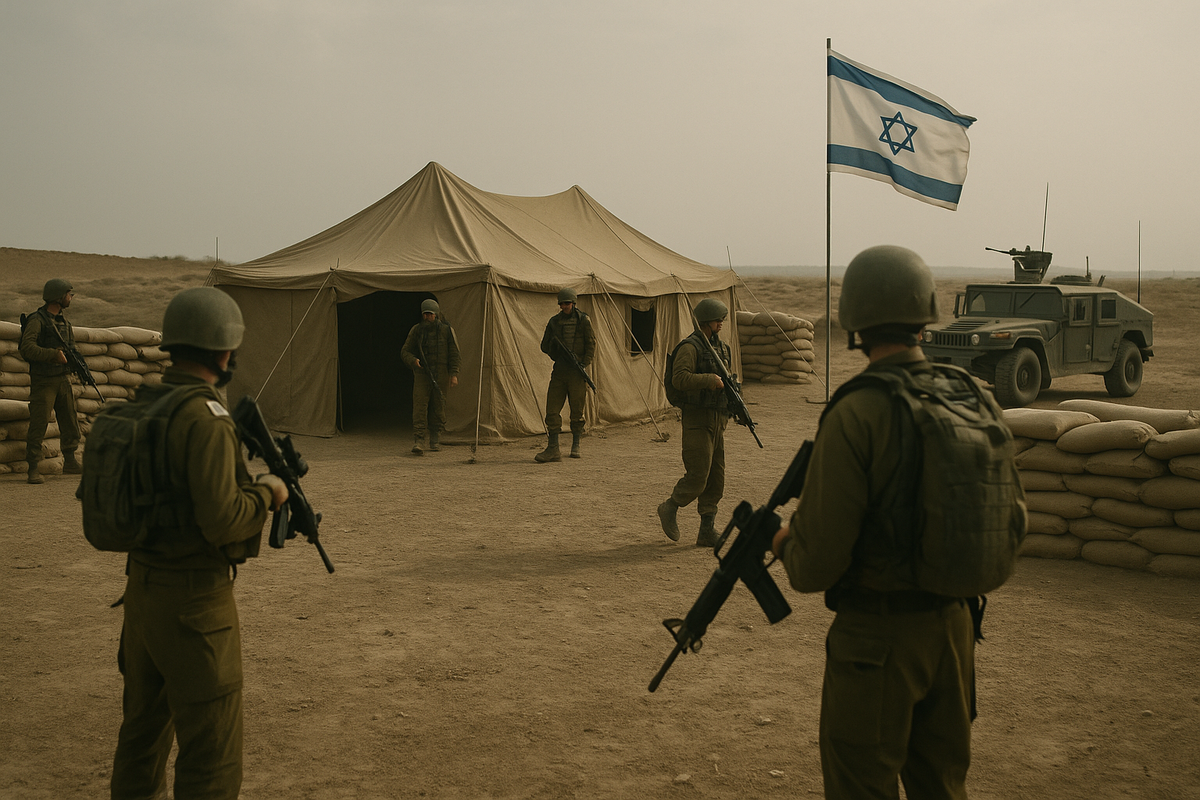
Israeli Military Activities in Iraq's Desert
Recent security reports have revealed that Israeli forces operated from a makeshift base located at an old airstrip in Iraq's desert during the ongoing war against Iran. This operation underscores the strategic maneuvers employed by Israel as it navigates the complex dynamics of regional conflicts.
The establishment of this base indicates a significant operational capability, allowing Israeli forces to extend their reach and influence within a critical geographic area. Utilizing a site in Iraq, which is often viewed as an adversarial environment for Israeli operations, reflects a calculated approach to counter Iranian activities in the region. The presence of Israeli forces in Iraq raises various implications regarding security arrangements and alliances in the Middle East, as well as the potential for heightened tensions with various local and regional actors.
Strategic Implications
This situation highlights the evolving nature of military engagements in the region, particularly as nations adapt to the operational landscape shaped by ongoing conflicts. The use of an Iraqi airstrip could enable more effective surveillance and operational support against Iranian interests, which may alter the balance of power in ongoing engagements. Analysts will be watching how this development influences Iraqi sovereignty and the responses from Iranian and other local forces.
Why it matters: The implications of Israeli military operations in Iraq are significant, as they could lead to an escalation of tensions not only between Israel and Iran but also impact the stability of Iraq itself. This development invites further examination of the regional security framework, as the actions of Israeli forces may compel Iran to adjust its military strategies in response. The ongoing conflict dynamics will likely require a closer look at how external military presences shape the future of Middle Eastern geopolitics.
Sources: Thedefensepost, WSJ, Kurdistan24, Anadolu Ajansı, and Haaretz