Israel's Military Escalation Against Hezbollah in Lebanon

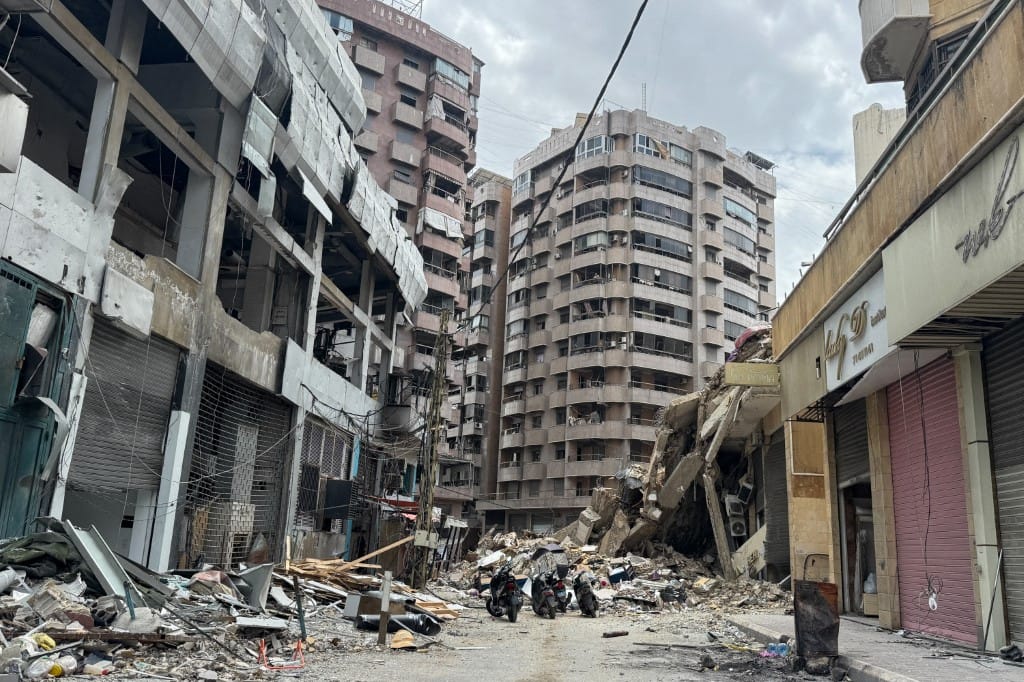
Israel's Military Directive
In a significant escalation of military posture, Israel has instructed its armed forces to respond with "full force" to threats emanating from Lebanon, despite the ongoing truce. The Israeli government has made it clear that it intends to target and level homes that are allegedly utilized by Hezbollah for military purposes.
This directive underscores a shift in Israel's operational strategy, emphasizing a more aggressive stance in dealing with perceived threats from Hezbollah militants. The announcement comes amid a fragile ceasefire in the region, indicating that Israel is prepared to act decisively against any actions it deems hostile, regardless of existing diplomatic efforts to maintain peace. Analysts note that this approach could lead to significant civilian casualties and further destabilization in Lebanon, where Hezbollah maintains considerable influence.
Context and Regional Implications
The tensions between Israel and Hezbollah have persisted for decades, with periodic escalations leading to military confrontations. The current situation reflects the ongoing volatility in the region, exacerbated by geopolitical rivalries and the complex interplay of local and international actors. Israel's vow to use overwhelming force may be seen as a message not only to Hezbollah but also to other regional adversaries, reinforcing its commitment to national security in a hostile environment.
This escalation carries serious implications for regional stability and could provoke retaliatory actions from Hezbollah or its allies. The use of overwhelming military force raises concerns about the humanitarian impact on Lebanese civilians, which could fuel anti-Israel sentiment and complicate future diplomatic efforts. As the situation develops, observers will closely monitor the responses from Hezbollah and the broader international community, as they may influence the dynamics of power in the region.
Sources: Thedefensepost, ACLED, صوت الإمارات, Arab Center Washington DC, and Time Magazine