Italy faces GCAP warplane costs exceeding $21 billion

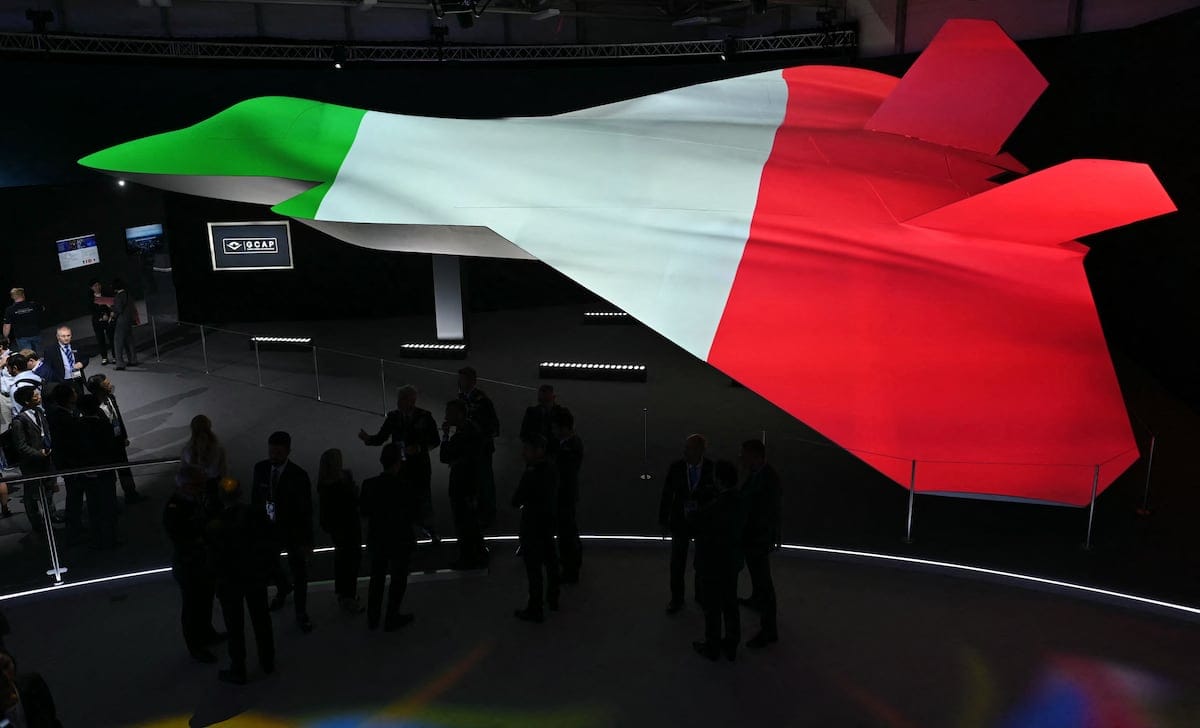
Italy’s GCAP Fighter Program: A Dramatic Budget Increase
Overview of Budget Changes
Italy’s financial commitment to the Global Combat Air Programme (GCAP), a collaborative effort involving the United Kingdom and Japan, has escalated significantly over the past five years. Defense Minister statements to the Italian Parliament reveal that estimated spending on the fighter program has surged from €6 billion to €18.6 billion (approximately $21.8 billion).
- Initial Funding: The original budget of €6 billion was intended to encompass the early phases of the program—Concept Assessment and Preliminary Design, and Full Development.
- Updated Estimates: The revised financial plan reflects increased expenditures associated with technological advancements, testing, and design refinement.
Political Reactions
The announcement has elicited reactions, particularly from the opposition Five Star party, which denounced the scale of the budget overruns.
- Historical Context: Five Star representatives characterized this funding request as the most substantial military program in Italy’s history, surpassing the previous F-35 initiative, which cost approximately €18 billion for 90 aircraft.
Legislative Process
The newly revised funding document has been submitted to Italy’s Senate Defense Commission and is slated for discussion. A vote for approval is anticipated next week. The same document will also be reviewed by the lower house’s defense committee.
- Government Majority: The coalition led by Prime Minister Giorgia Meloni is expected to facilitate the approval process, given its majority in the commissions.
Financial Breakdown
The updated budget includes critical details regarding the funding allocation and timing:
- Secured Funding: €2 billion has already been allocated, partially fulfilling Phase 1 of the program.
- Outstanding Requirements: An additional €16.6 billion is necessary to complete the initial two phases, which will be distributed through annual payments extending until 2037.
- Immediate Request: A request for €8.8 billion in initial disbursements is included in the proposal, while the remaining €7.8 billion will be addressed in future decision-making.
Criticisms and Concerns
The Five Star party has articulated concerns regarding the transparency of such significant budgetary increases, demanding thorough justification before utilizing parliamentary channels for substantial allocations.
- Statement of Concerns: Their position emphasizes responsible financial stewardship, highlighting the need for comprehensive explanations related to the anticipated spike in program expenditures.
International Collaboration
In recent diplomatic engagements, Italian Prime Minister Giorgia Meloni and Japanese Prime Minister Takaichi Sanae have expressed mutual satisfaction with the GCAP’s progression. The two leaders reaffirmed their commitment to achieving operational capability, with an expected first aircraft rollout by 2035. Conclusion: As the GCAP progresses into critical phases of development, the Italian government’s budgetary adjustments and the multifaceted political landscape surrounding it will be vital for the program’s long-term success. The need for transparency and collaboration between stakeholders remains essential as Italy and its partners navigate this ambitious defense initiative.