Japan Addresses GCAP Delays, Accelerates Export Regulations for Future Warplane

Japan’s Acceleration of the GCAP Fighter Jet Initiative
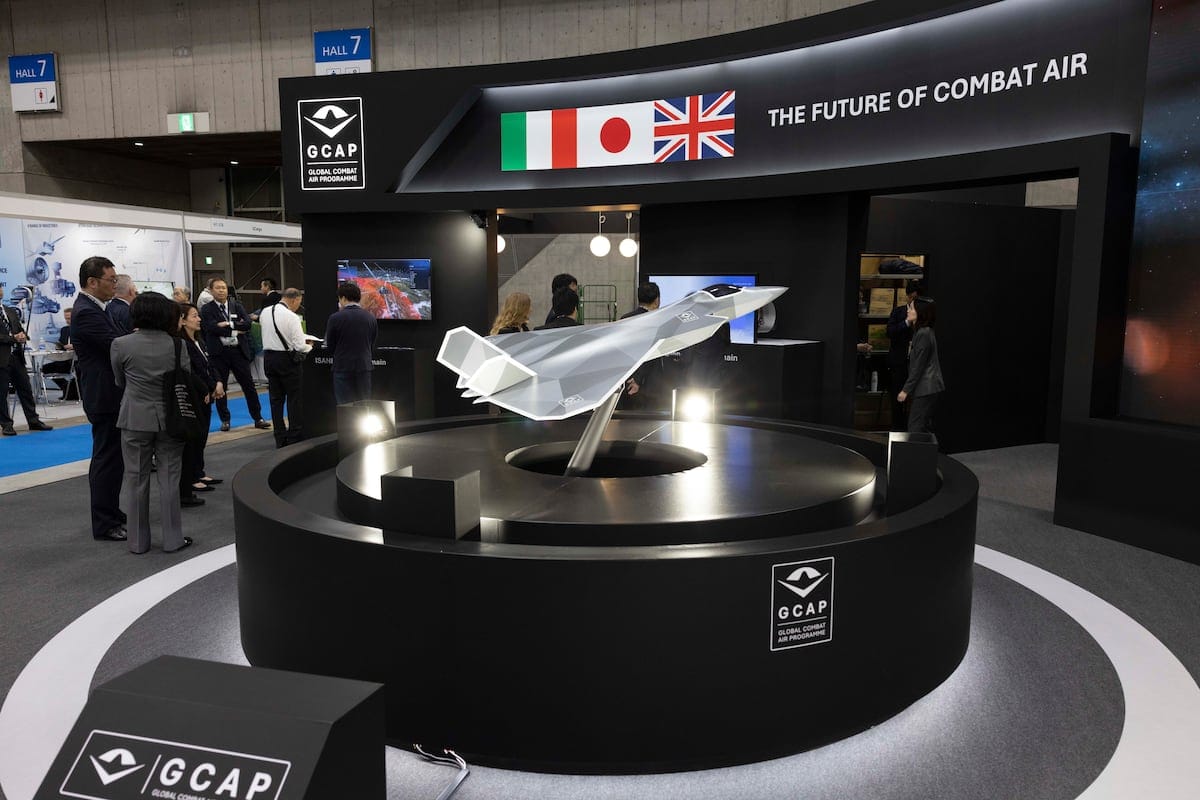
Japan is actively advancing its collaboration with the United Kingdom and Italy on the Global Combat Air Programme (GCAP), despite encountering fiscal and contractual hurdles. Analysts suggest that these delays are unlikely to impact the target deployment date of 2035 significantly.
Strategic Export Policy Relaxation
A key factor in Japan’s military modernization is the current government’s initiative to modify stringent export regulations concerning defense systems. While specific strategies to navigate fiscal challenges have not been disclosed, the National Diet is anticipated to approve budget allocations for the fighter jets in the near term.
- Eased Export Restrictions: Recent legislative amendments have already facilitated GCAP’s development, with potential overhauls in defense transfer policies under consideration. This could eliminate existing limitations, allowing Japan to export to conflict-afflicted nations.
- Plans for Additional Frigates: Concurrently, Japan aims to finalize the development of eleven Mogami-class frigates for the Royal Australian Navy, with Defense Minister Shinjiro Koizumi scheduled for critical discussions later this month.
Contractual Delays and Financial Commitments
The GCAP initiative, noted for its complexity, is currently experiencing interruptions in the contract process managed by the GCAP International Government Organisation (GIGO) in conjunction with the industry consortium, Edgewing. This group encompasses national contractors such as BAE Systems, Leonardo, and Japan Aircraft Industrial Enhancement Co. Ltd.
- Design Work Delays: Initial design contracts for Edgewing, scheduled for completion by the end of 2025, have faced setbacks due to delays in the British Defense Investment Plan, which is essential for funding.
- Expected Timeline Adjustments: Despite these challenges, industry experts believe that the British delays may only affect prototype manufacturing timelines by a few months to a year, not posing a severe risk to the overall project.
Implications for Japan’s Defense Strategy
Japan’s ongoing commitment to GCAP represents its most costly defense project to date and marks its inaugural collaboration on military technology with European nations. This initiative is intended to replace Japan’s aging F-2 fighter fleet. However, sustained delays in delivering new aircraft could create strategic vulnerabilities.
- Weighing Defense Posture: Retired Lt. Gen. Eiichirou Fukazawa warns that delays could adversely impact Japan’s defense capabilities amid rising pressure from an assertive Chinese military presence.
Financial Considerations and Domestic Industry Boost
Budgetary constraints have prompted discussions regarding potential increases to this year’s funding for GCAP, initially set at 700 billion yen (approximately $4.44 billion) for research and development from 2023 to 2027.
- Rationale for Front-loading Investment: Analysts maintain that an upfront financial contribution would not only mitigate political backlash but also solidify Japan’s position as the primary operator of the GCAP. Furthermore, technology transfers associated with the fighter’s development would enhance the domestic defense industry, fueling ambitions for international market penetration.
- Strategic Advantages: Taking on initial financial responsibilities may yield expanded access to advanced technology, bolster Japan’s negotiating leverage, and enhance its influence in future defense exports.
Perspectives on International Collaboration
According to Professor Yoko Iwama from the National Graduate Institute for Policy Studies in Tokyo, Japan views its partnership with European nations as a strategic diversification from American defense dependencies.
- Risk Analysis: Japan’s experience with U.S. collaborations indicates an awareness of the complexities involved in international defense agreements. Recent geopolitical shifts underscore the importance of pursuing alternative partnerships beyond U.S. alliances.
Future Developments and Germany’s Potential Involvement
Emerging discussions suggest that Germany may be considering participation in the GCAP program. However, Japan is cautious about adding new stakeholders to the initiative.
- Development Schedule Integrity: The Japanese government prioritizes adherence to the established development timeline, with concerns that new entrants could disrupt progress, as highlighted by defense experts.
In summary, Japan’s strategic commitment to the GCAP fighter jet program reflects a balanced approach between improving national defense capabilities and fostering international military partnerships, despite the challenges it faces.