Japan Considers Type 88 Anti-Ship Missile Export to Philippines

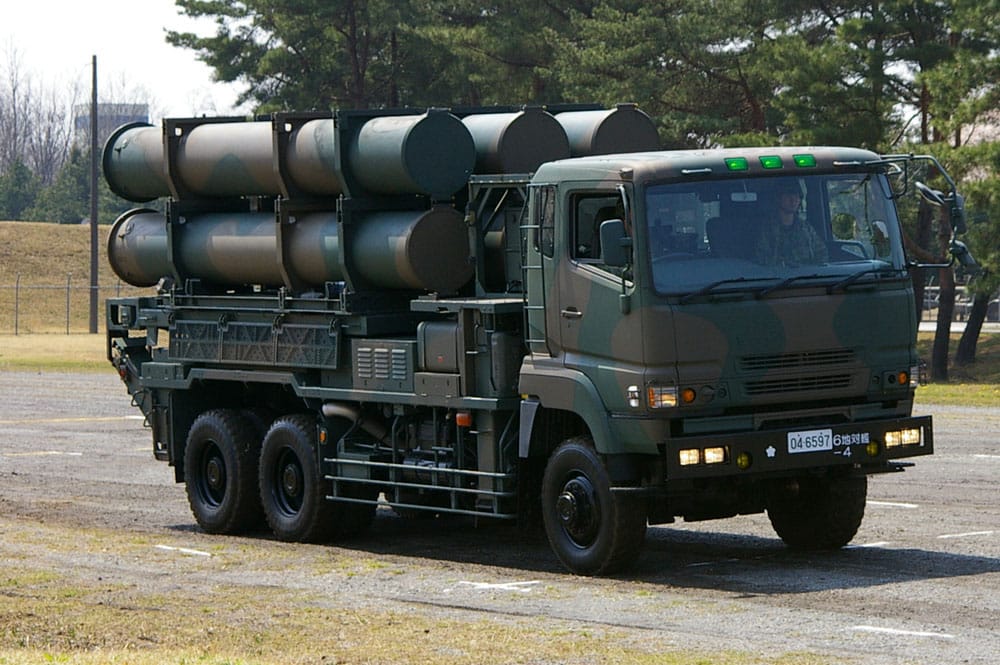
Overview of Japan's Potential Missile Export
Japan is actively considering the export of its Type 88 anti-ship missile to the Philippines, following an expressed interest from Manila in acquiring this advanced military system. This initiative signals a significant move in regional defense collaboration, highlighting growing security ties between Japan and the Philippines amidst evolving geopolitical dynamics in the Asia-Pacific region.
Context and Implications
The Type 88 anti-ship missile is known for its precision and effectiveness in maritime engagements, making it a valuable asset for the Philippines as it seeks to bolster its defense capabilities. This potential sale comes at a time when the Philippines is enhancing its military readiness in response to increasing tensions in the South China Sea, where territorial disputes continue to challenge regional stability. By acquiring such technology, the Philippines would not only improve its defensive posture but also reinforce its strategic partnership with Japan, which has aimed to expand its role in collective security efforts in the region.
Additionally, Japan's willingness to export military technology reflects its evolving defense policy and increased willingness to engage in arms trade, which was historically constrained by pacifist post-war principles. As Japan navigates its defense strategy, this development could pave the way for further military cooperation with other Southeast Asian nations.
Why it matters: The implications of this potential missile export extend beyond bilateral relations, as it underscores a shift in the balance of power in the Asia-Pacific. Analysts will be watching closely to see how this deal progresses and what it means for the strategic landscape, particularly in relation to China's assertiveness in the region. Strengthening military ties and capabilities among nations like Japan and the Philippines may serve as a counterbalance to increasing regional threats, potentially altering defense postures across Southeast Asia.
Sources: Thedefensepost, The Defense Post, Defense Express, Global Times, and The Japan Times