Japan's Defence Policy Shift and Implications for EU Cooperation

Strategic Realignment Following Japan's Recent Election
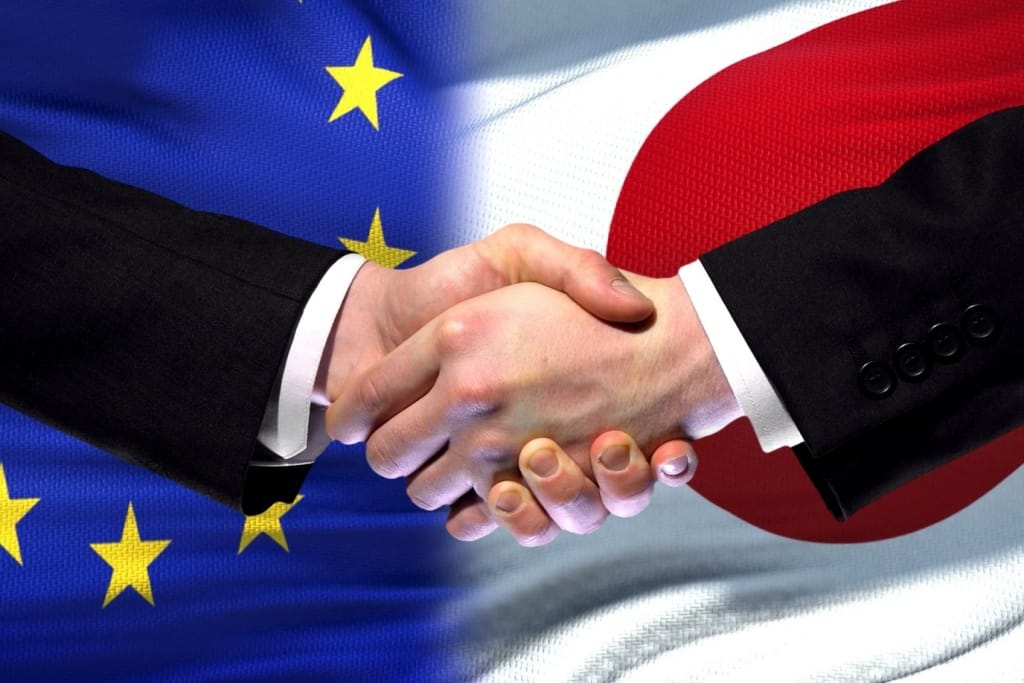
Following Prime Minister Sanae Takaichi’s victory in Japan’s February 2026 snap election, a significant shift in Tokyo’s defence and security policy is expected. With a commanding two-thirds majority in the House of Representatives, Takaichi's government is poised to enhance Japan's military capabilities and its cooperation with the EU. This new direction marks a departure from previous policies, potentially transitioning Japan from a position of symbolic alignment to operational integration with European partners.
The Prime Minister has announced plans to accelerate Japan's defence spending target to 2 percent of GDP by fiscal 2025, a full two years ahead of the prior timeline. This strategy will involve revising key security documents by the end of 2026, aiming for a comprehensive transformation of Japan’s military posture. Takaichi's administration is set to strengthen long-range strike capabilities, expand missile defence systems, and bolster command, cyber, and maritime operations. Notably, China is identified as Japan's greatest strategic challenge, with the ongoing repercussions of Russia’s invasion of Ukraine further influencing Japan's security calculations.
Implications for EU-Japan Defence Cooperation
This evolution in Japan's defence strategy presents an opportunity for the EU to engage with a more assertive security partner in the Indo-Pacific region. For effective collaboration, however, Europe must match Japan’s determined pace in defence initiatives. As both regions reassess their strategic priorities, the potential for deeper operational integration increases, contingent on shared objectives and timely execution of defence reforms.
The implications of this shift are significant. Enhanced EU-Japan cooperation could reshape security dynamics in the Indo-Pacific, particularly in countering regional threats posed by China. As Japan consolidates its defence posture, analysts will be watching closely to see how this partnership evolves and what it means for collective security frameworks in the years to come.