Joint Chiefs Head Visits Post-Maduro Venezuela

Overview of the Visit
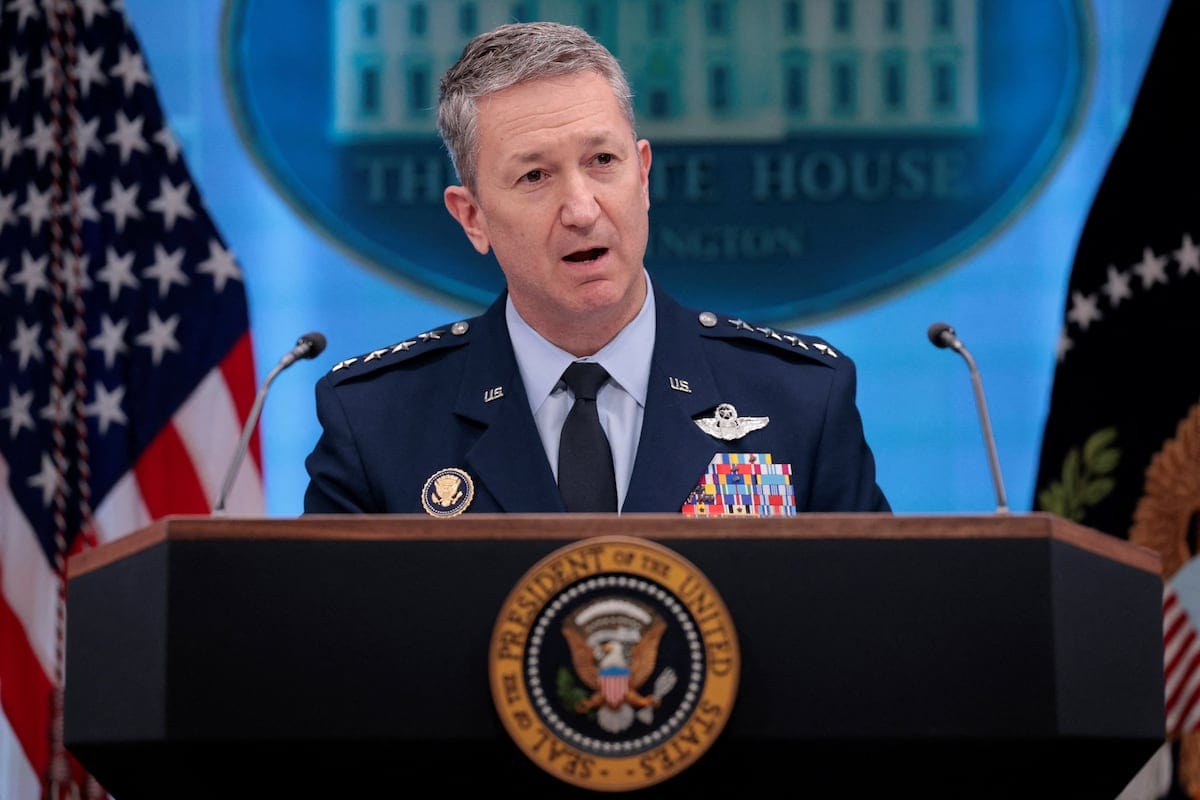
In a significant move, the head of the Joint Chiefs of Staff has made his first official visit to Venezuela, five months after a high-risk U.S. military operation aimed at removing President Nicolás Maduro. This visit underscores the evolving dynamics in the region following a turbulent period marked by political upheaval and military intervention.
Context and Analysis
The recent military operation to oust Maduro was a notable escalation in U.S. involvement in Venezuelan affairs, reflecting longstanding concerns over the regime's governance and its impact on regional stability. The visit by the Joint Chiefs head indicates an ongoing commitment from the U.S. to engage with Venezuela in a post-Maduro context, potentially setting the stage for future diplomatic and military strategies. Analysts will be examining the implications of this visit on U.S. relations with other Latin American nations and the potential for increased military presence or support in the region.
This strategic engagement may also be perceived as a message to both domestic and international audiences about the U.S. commitment to supporting democratic processes in Venezuela and countering influence from adversarial nations. As the U.S. navigates these complex geopolitical waters, the importance of partnerships and regional alliances will likely be at the forefront of military and diplomatic discussions.
Why It Matters
The implications of this visit extend beyond immediate diplomatic relations; it raises questions about the U.S. military's role in stabilizing Venezuela and the broader implications for U.S. foreign policy in Latin America. Moving forward, observers will be closely monitoring how this engagement influences not only Venezuelan politics but also the responses of other regional powers. The evolving situation could lead to a recalibration of U.S. military strategy in the region, emphasizing the need for readiness and adaptability in the face of shifting political landscapes.
Sources: Defensenews, Defense News, U.S. Department of War (.gov), Brookings, and DefenseScoop