U.S. Army and Navy Execute Joint Hypersonic Missile Test to Enhance Long-Range Strike Capability

Advancements in U.S. Hypersonic Capabilities: The Dark Eagle Initiative
Overview of Recent Test
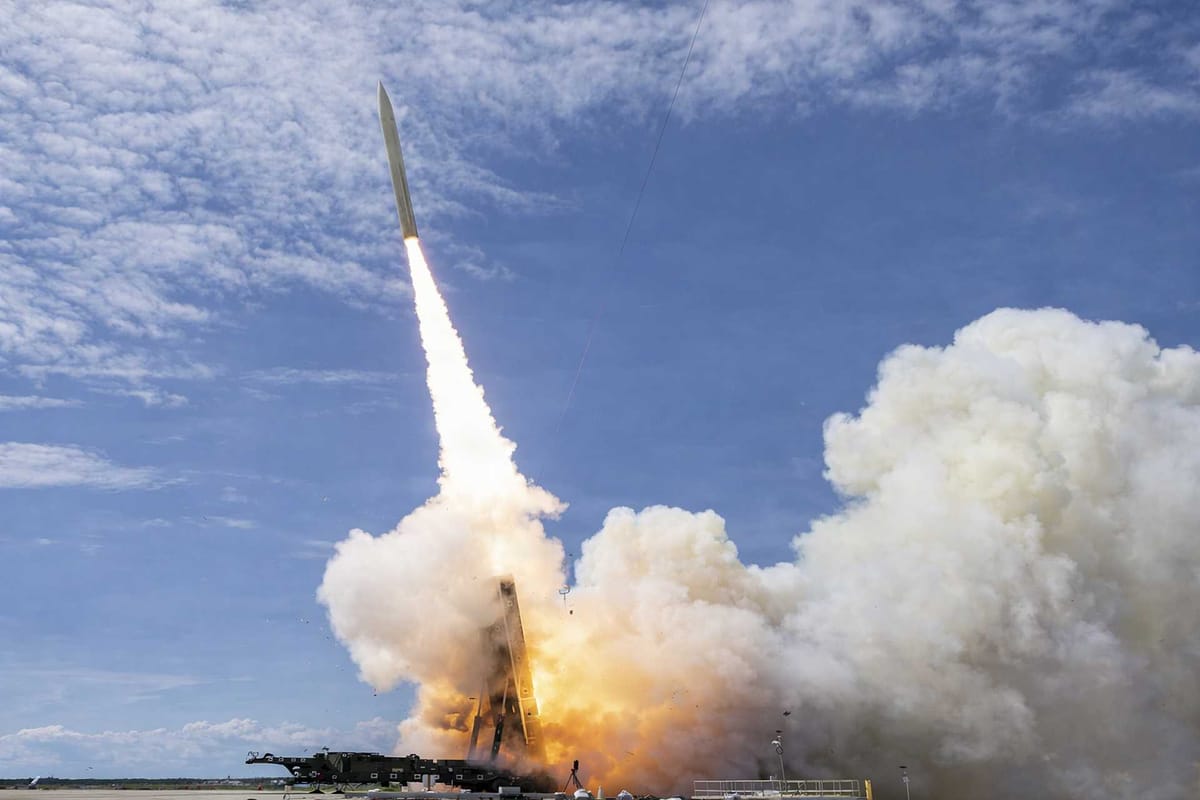
On March 26, 2026, the U.S. Army and Navy successfully executed a coordinated hypersonic missile launch from Cape Canaveral Space Force Station, marking a significant step forward in the deployment of the Long-Range Hypersonic Missile (LRHW), known as Dark Eagle. This demonstration confirmed the operational viability of a shared boost-glide system capable of engaging targets at velocities exceeding Mach 5 (over 6,100 km/h), designed specifically to circumvent advanced air defense mechanisms.
Strategic Implications
This milestone test contributes to the United States’ broader ambition of developing an integrated land- and sea-based hypersonic strike capability. Key outcomes include:
- Enhanced Precision: The collaboration between Army and Navy units ensures synchronized deployment, vital for executing precision strikes against critical high-value targets.
- Operational Readiness: The capability to conduct rapid, long-range attacks positions the U.S. favorably in contested environments, reinforcing its strategic advantage against peer competitors.
Technical Specifications
The hypersonic glide body (C-HGB), employed in both the Army’s LRHW and the Navy’s Conventional Prompt Strike (CPS) program, underscores the integration between services. Key features include:
- Redundant Targeting: The C-HGB serves as a joint payload, optimizing resources and timelines for both branches.
- Strategic Location: Launching from a pivotal site in Florida exemplifies deliberate planning to accelerate the readiness of hypersonic assets, enhancing the U.S. deterrent posture, particularly in zones requiring deep-strike capabilities extending beyond 2,700 km (approximately 1,680 miles).
Missile Configuration and Capabilities
While official imagery did not directly label the system, the characteristics of the missile indicate it is indeed the Dark Eagle LRHW. Notable attributes include:
- Two-Stage Configuration: Characterized by a solid-fuel booster paired with a hypersonic glide body, this setup enables sustained Mach 5+ speeds while maintaining agility during the glide phase.
- Target Engagement: The LRHW is specifically architected for rapid delivery of conventional warheads targeting crucial military installations like air defense systems and command-and-control centers.
Components and Mobility
The LRHW is designed for versatility and survivability and consists of the following:
- Transporter Erector Launcher (TEL): Facilitates mobility and rapid deployment.
- Command-and-Control Vehicles: Enhance operational efficacy through streamlined communications.
- Battery Configuration: Each battery can deploy multiple launchers, with two missiles per unit, enabling quick salvo firing and mobility to evade counter-measures.
This structure allows for deep-strike capabilities within extensive operational theaters such as the Indo-Pacific and Eastern Europe.
Integration with Navy Capabilities
The Navy’s use of the C-HGB in its CPS program enhances multi-domain interoperability and mission execution from maritime platforms. Planned adaptations include:
- Deployment Platforms: Integration aboard Zumwalt-class destroyers and Virginia-class submarines.
- Operational Flexibility: The shared architecture reduces development expenditures while augmenting the capacity for coordinated strikes from land and sea.
Technological Evolution
The Dark Eagle represents the U.S. Army’s first operational ground-launched hypersonic weapon system. Its advanced design features:
- Maneuverable Flight Path: Unlike traditional ballistic missiles, the Dark Eagle employs a non-ballistic trajectory, allowing for evasive maneuvers that complicate interception efforts.
- Thermal Management: Capable of withstanding temperatures exceeding 2,000°C (approximately 3,630°F), the materials and thermal protection systems are critical for maintaining structural integrity during hypersonic flight.
Industrial Support and Challenges
Key industrial contributors include Lockheed Martin, Northrop Grumman, and Dynetics. However, transitioning from prototype to operational deployment involves challenges, particularly concerning:
- Manufacturing of Advanced Materials: Developing durable components capable of enduring extreme conditions.
- Precision-Guidance Systems: Ensuring accuracy while reducing production costs.
The U.S. government continues to commit substantial resources toward hypersonic research, enhancing reliability and expediting deployment timelines.
Operational Impact
The implications of the Dark Eagle LRHW extend beyond technological advancement. Its deployment allows for:
- Prompt Non-Nuclear Strikes: Engagements are possible within minutes at extended ranges, enabling rapid neutralization of high-value targets.
- Deterrence Strategy: The unpredictability of hypersonic weaponry increases adversarial uncertainties regarding the U.S. military’s capabilities, effectively complicating their strategic calculations.
Geopolitical Context
The evolution of hypersonic weaponry in the United States occurs against the backdrop of escalating competition with near-peer adversaries, notably China and Russia, who have operational hypersonic arsenals. The U.S. approach emphasizes:
- Precision-Guided Conventional Payloads: Focusing on flexibility without escalating to nuclear conflict.
- Joint Interoperability and Scalability: Essential for responding to diverse threats globally.
The ongoing testing in Cape Canaveral signifies the U.S. commitment to addressing the hypersonic capability gap. The Dark Eagle is approaching initial operational capability, signifying a transformative shift in strike doctrine and operational readiness.
Conclusion on Future Engagements
The advancement and deployment of hypersonic systems like Dark Eagle will be vital in future, high-stakes conflicts characterized by contested access and intricate air defense systems. Mastery of hypersonic technology is essential for the U.S. to sustain technological superiority and maintain credible deterrence across multifaceted battlefields. As capabilities evolve, the integration of such systems will redefine military engagement protocols, enhancing the agility and effectiveness of joint forces in rapidly changing geopolitical landscapes. Source link