Lebanon's Role in Shaping Iran-US Negotiations

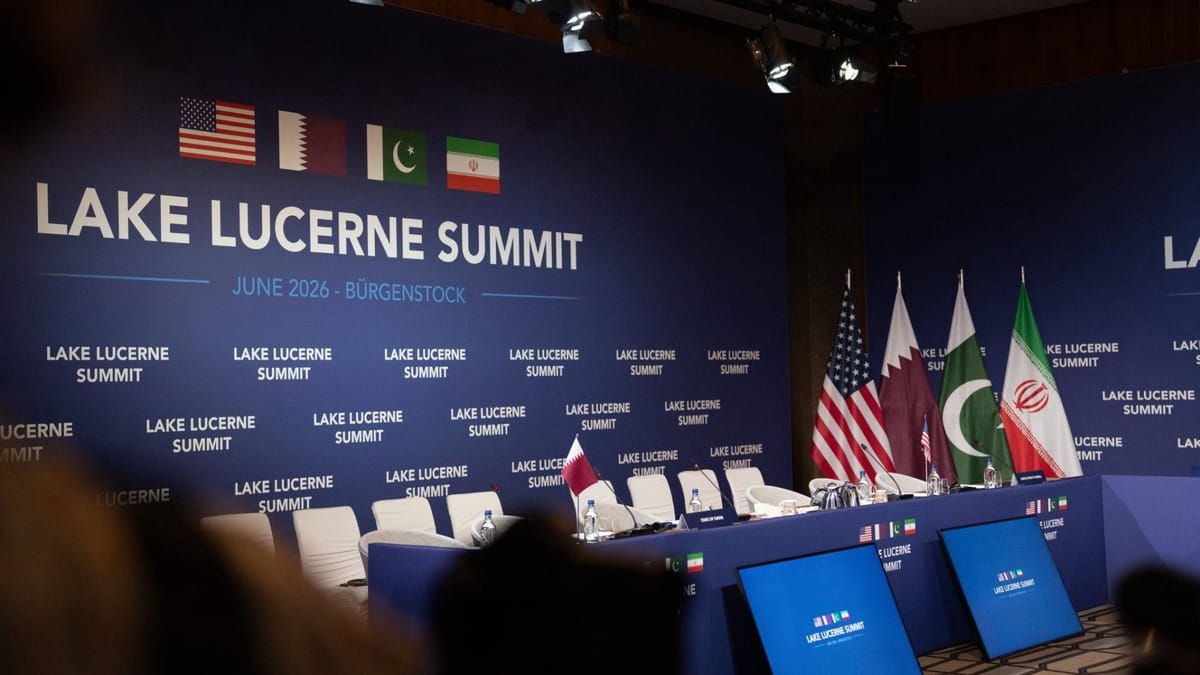
Strategic Shifts in Middle East Diplomacy
The dynamics of Middle East diplomacy are evolving, shifting focus from Iran's nuclear program to the situation in Lebanon. Recent analyses highlight that developments in Lebanon are becoming critical to the negotiation landscape between the United States and Iran. This change reflects a broader strategic rivalry in the region, impacting future diplomatic efforts.
Historically, the nuclear negotiations with Iran have dominated discussions, but the potential for conflict or cooperation in Lebanon now threatens to overshadow these talks. The implications of Lebanese stability or instability could dictate the progress of US-Iranian relations. As Lebanon's political landscape remains fragile, any escalation could hinder diplomatic progress on nuclear issues, as regional actors may become more entrenched in their positions.
Understanding Lebanon's Influence
The Lebanese situation has implications that extend beyond bilateral relations, affecting regional alliances and security dynamics. The involvement of Iranian influence in Lebanon, particularly through groups like Hezbollah, complicates matters for the US, which seeks to curb Iranian expansionism. The US may need to reassess its strategies, balancing diplomatic engagements with military readiness in response to potential threats emanating from this theater.
Why it Matters
This shift in focus raises critical questions about the future of US-Iran negotiations. Analysts will be watching for signs of how the Lebanese situation will either facilitate or obstruct diplomatic efforts. As Lebanon's stability becomes intertwined with broader strategic discussions, the outcome of these negotiations may hinge on developments within its borders.
Sources: Defence24, BBC, ایران اینترنشنال, The New York Times, and PBS