Lithuania's Stance on European Engagement with Russia

Context of European-Russian Relations
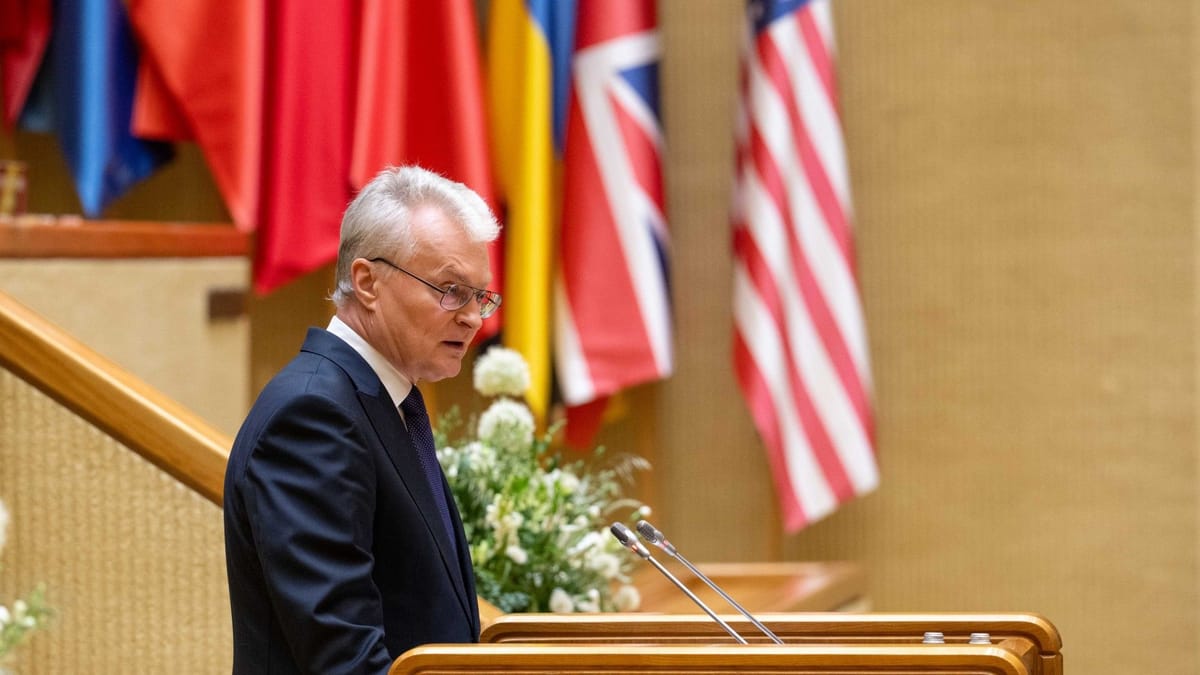
The ongoing discourse surrounding Europe's potential engagement with the Russian Federation has gained renewed attention. Lithuanian President Gitanas Nausėda has articulated a firm stance against resuming contacts with the Kremlin, emphasizing that such actions do not align with Europe’s security needs. This statement reflects a broader concern among Baltic states regarding Russia's actions and intentions in the region.
As geopolitical tensions remain high, especially following Russia's military actions in Ukraine, Lithuania's position underscores a critical sentiment among European nations, particularly those in close proximity to Russia. The Baltic states have historically advocated for a robust stance against perceived threats from Moscow, arguing that dialogue could inadvertently legitimize aggressive behavior and undermine NATO's collective defense posture.
Implications for European Security Strategy
The suggestion to engage in dialogue with Russia, as proposed by some European leaders, raises important strategic questions. Nausėda’s rejection of this dialogue approach signals a possible divide within Europe on how to handle relations with Russia. This divergence could affect NATO cohesion and complicate collective security strategies, especially as member states assess their individual security concerns in light of regional aggressions.
Moreover, Nausėda's comments highlight the urgency for Europe to develop a unified response to Russian provocations while balancing diplomatic efforts that may be necessary for long-term stability. Analysts will be watching how this stance influences the broader European security framework and whether it leads to increased military readiness or enhanced diplomatic measures among EU members.
Sources: Defence24, Anadolu Ajansı, Defence24.com, Caliber.Az, and LRT