Lockheed Martin Expands THAAD Production Capabilities in Alabama

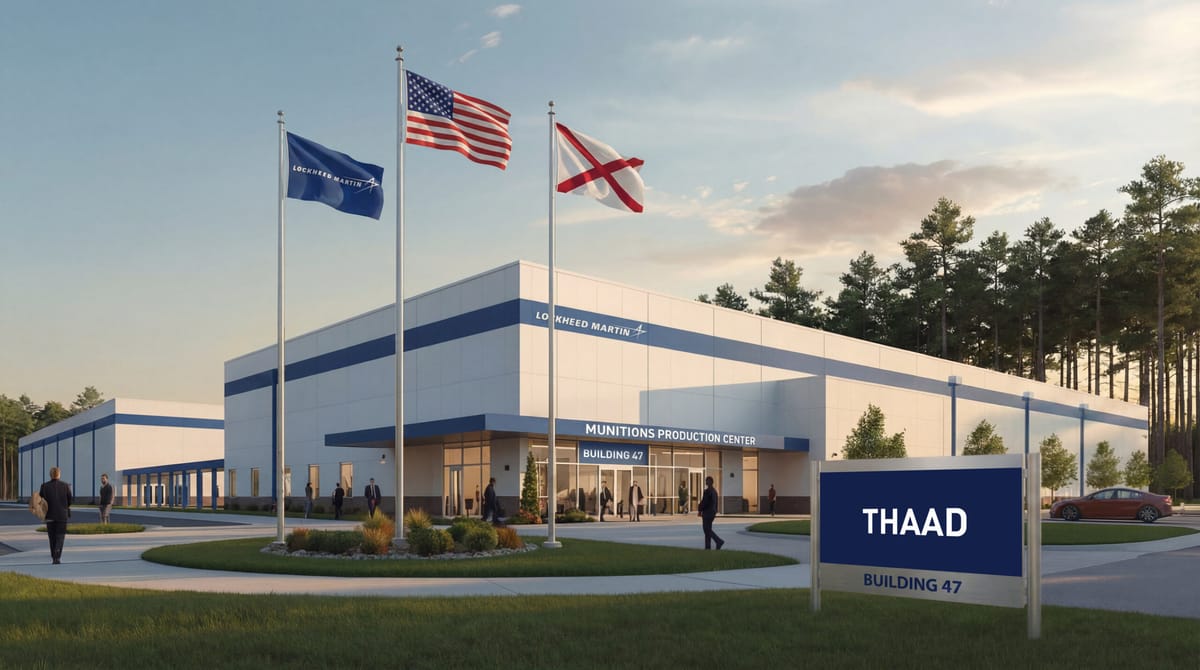
Lockheed Martin has officially broken ground on a new missile production facility in Troy, Alabama. This development is part of the company's strategic move to enhance the output of Terminal High Altitude Area Defense (THAAD) interceptors. As global demand for air and missile defense systems continues to rise, this new facility aims to address the growing needs of both domestic and international customers.
What Happened
The construction of the new Lockheed Martin plant comes at a time when nations are increasingly investing in missile defense technologies. The THAAD system plays a crucial role in neutralizing short, medium, and intermediate-range ballistic missile threats. This expansion signifies Lockheed Martin's commitment to maintaining its competitive edge and fulfilling the increased demand for advanced defense systems.
The Strategic Calculus
Several factors are driving this expansion in production capacity:
- Rising Global Demand: Countries are enhancing their defense postures in response to evolving geopolitical threats.
- Technological Advancements: Continuous improvements in missile defense systems necessitate increased production capabilities to stay ahead of adversaries.
- Partnerships and Exports: Lockheed Martin's collaborations with allied nations for THAAD deployments underscore the strategic importance of this system on the global stage.
The implications of this new facility extend beyond mere production increases. Analysts will be watching whether this expansion will lead to a shift in the landscape of missile defense procurement, particularly as nations consider their own defense capabilities in light of potential threats.
On the Ground
The Troy, Alabama site is expected to become a key hub for THAAD production. The implications of this development are significant for the local economy as well, potentially creating numerous jobs while bolstering the region's industrial base. Lockheed Martin's investment in Alabama reflects a broader trend of defense companies establishing operations in areas with skilled workforces and supportive local policies.
As the facility takes shape, it will be essential to monitor how quickly Lockheed Martin can scale up production and whether they can meet the anticipated demand from both U.S. and allied forces. The establishment of this plant not only enhances the operational readiness of the THAAD system but also positions Lockheed Martin as a pivotal player in the global defense market.
Sources: Thedefensepost, Lockheed Martin, The Defense Post, Reuters, and ExecutiveBiz