
Lockheed Martin's Expanding Role: A New Era in Defense Contracts

The defense landscape is witnessing a significant shift as Lockheed Martin secures a series of robust contracts, reinforcing its status as a key player in the military-industrial complex. These contracts span various domains, including missile systems, aircraft maintenance, and advanced artillery systems, indicating a strategic pivot towards enhancing military readiness and capability.
What happened
Recent developments reveal Lockheed Martin's growing influence within the defense sector. The Pentagon has awarded the company a substantial $1.9 billion contract for the continued maintenance of the C-130J aircraft and the enhancement of the Aircrew Training System Program. This contract is set to last 10 years and is characterized as a sole-source agreement, showcasing the Pentagon's reliance on Lockheed's expertise.
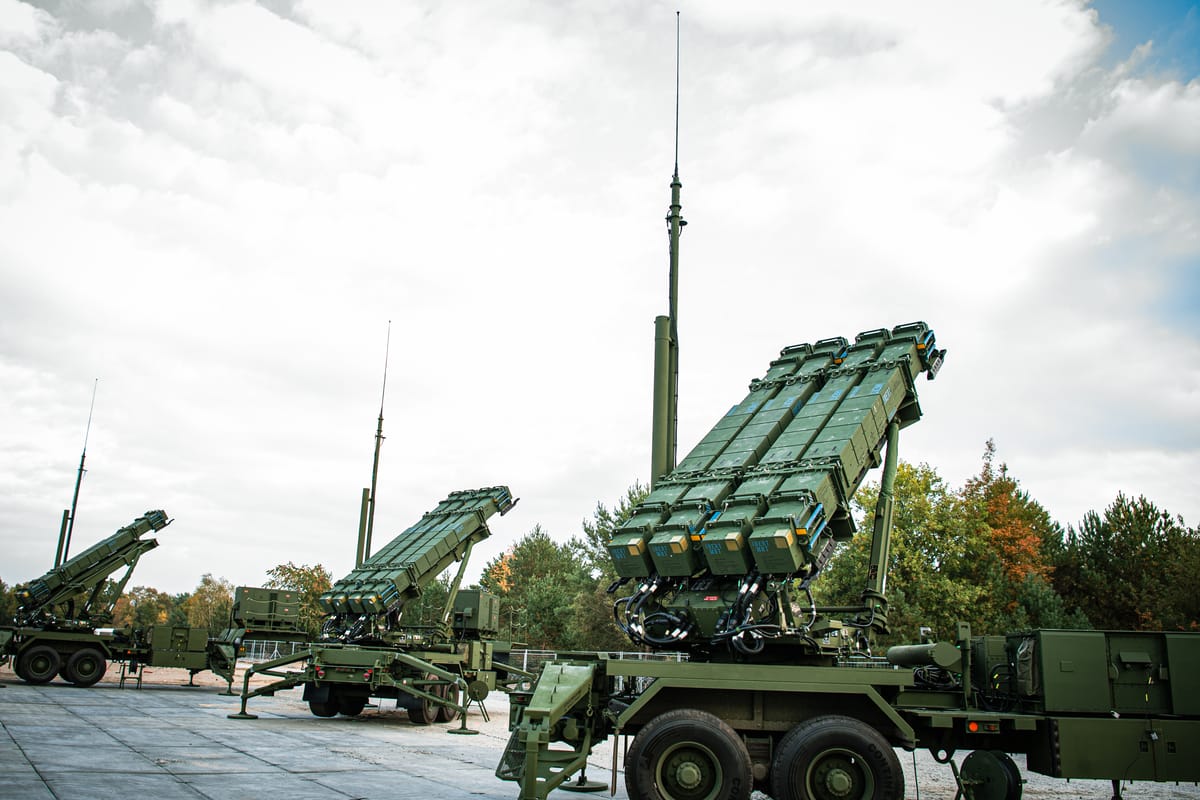
In a parallel move, Lockheed has also secured a $4.76 billion contract for the production of PAC-3 Missile Segment Enhancement interceptors. A significant portion of this funding is derived from Foreign Military Sales, highlighting the increasing international demand for advanced missile defense systems.
Additionally, Estonia has expanded its HIMARS fleet through a new contract with Lockheed Martin for three additional High Mobility Artillery Rocket System units. This acquisition underscores the importance of HIMARS in modern warfare, particularly in the context of regional security dynamics.
The strategic calculus
The recent contracts signal a strategic recalibration within NATO and allied defense frameworks, particularly in Eastern Europe. The acquisition of HIMARS by Estonia is indicative of a broader trend where nations are investing in advanced artillery systems to bolster their deterrence capabilities against potential aggressors. As geopolitical tensions continue to rise, Lockheed Martin's offerings are becoming increasingly vital.
- C-130J Maintenance and Training: Ensures operational readiness of a proven transport aircraft.
- PAC-3 Missile Systems: Enhances missile defense capabilities for the U.S. and allied nations.
- HIMARS Expansion: Strengthens Estonia's defense posture amid regional threats.
The focus on drone technology is also noteworthy. A $5 million grant from Texas aims to develop UAS training and battery capabilities in collaboration with local educational institutions and military establishments. This investment aligns with the growing emphasis on unmanned systems in modern combat scenarios, further diversifying Lockheed's portfolio.
Industry fallout
The implications of these contracts extend beyond Lockheed Martin, affecting the entire defense industry. As Lockheed secures these lucrative deals, competitors may feel pressured to innovate or expand their own offerings to remain viable. The emphasis on foreign military sales may also lead to increased collaboration between the U.S. and allied nations, promoting interoperability and shared defense strategies.
Moreover, the focus on sustainability in defense technology, particularly in drone battery development, suggests a shift towards greener solutions in military operations. This could redefine procurement strategies and influence the types of technologies that receive funding and support in the future.
In summary, Lockheed Martin's recent contract wins not only solidify its dominance in the defense sector but also reflect broader shifts in military strategy and international relations. As nations prioritize advanced capabilities to counter emerging threats, Lockheed's role is likely to expand, shaping the future of warfare and defense procurement.
Sources: Edrmagazine, Defence24, Thedefensepost, The Defense Post, Defence Industry Europe, DefenseScoop, and Army Technology