Los Angeles-Class Submarine: A Key Player in Undersea Warfare

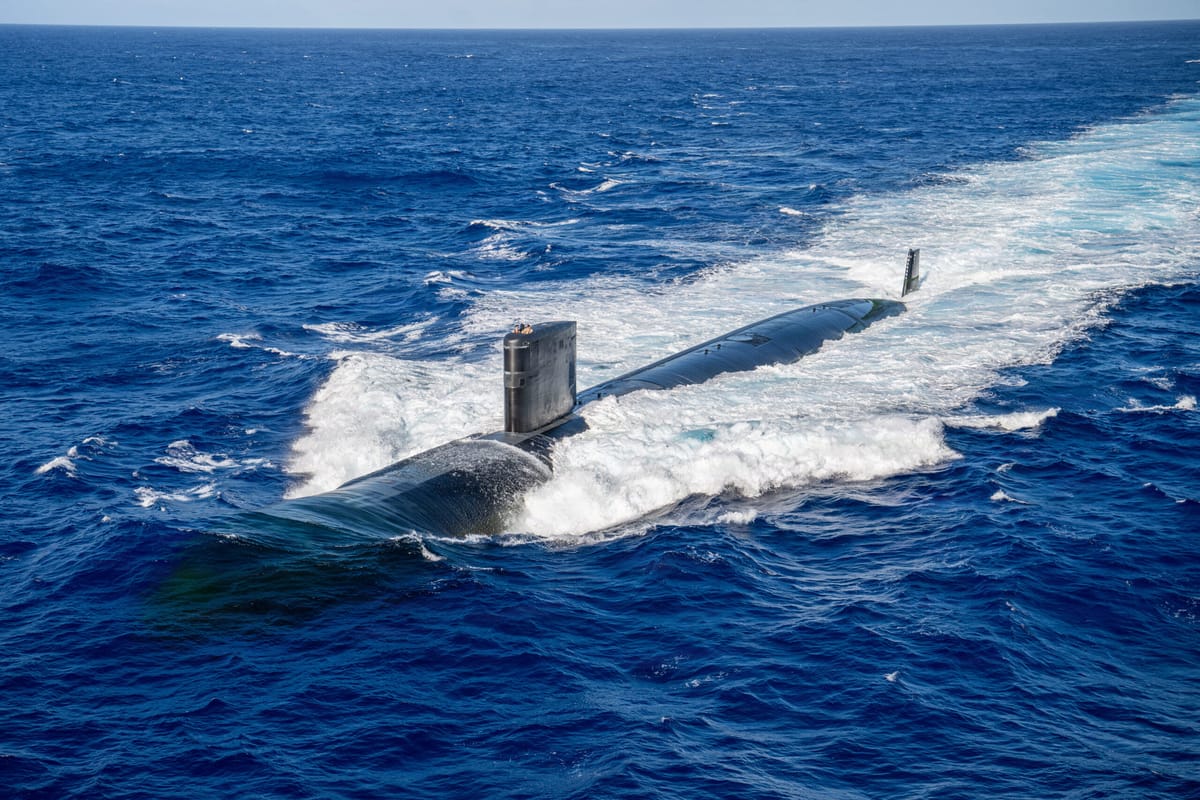
Overview of the Los Angeles-Class Submarine
The Los Angeles-class submarine serves as a crucial component of America’s undersea fleet, renowned for its advanced capabilities and operational versatility. These submarines have been integral to U.S. naval strategy since their introduction, conducting a wide range of missions that include anti-submarine warfare, intelligence gathering, and strike operations. Their long-standing presence in various theaters of operation underscores their importance in maintaining maritime security.
Capabilities and Historical Significance
A hallmark of the Los Angeles-class submarines is their stealth and ability to operate undetected in hostile environments. Equipped with advanced sonar systems and weaponry, these submarines can engage surface ships and submarines alike, while also supporting special operations forces. The design has evolved over the years, incorporating technological upgrades that enhance their combat effectiveness and survivability.
The historical impact of the Los Angeles-class submarines is significant, as they have participated in numerous military operations since the 1970s. This class has been a vital asset during Cold War tensions and continues to play a role in contemporary conflicts, demonstrating their adaptability to changing military needs.
Why it Matters
The ongoing relevance of the Los Angeles-class submarine raises questions about future naval capabilities and the strategic balance in undersea warfare. As global maritime threats evolve, the U.S. Navy must assess the role of these submarines in its broader strategy. Analyzing how these submarines can be integrated with emerging technologies will be critical to maintaining a competitive edge over potential adversaries. With advancements in submarine detection and anti-access/area denial (A2/AD) strategies, the implications for future submarine operations will be a focal point for defense analysts and military planners.
Sources: Thedefensepost, Defence Security Asia, U.S. Naval Institute, 19FortyFive, and The Times of India