Lukashenka's Diplomatic Outreach in Indonesia

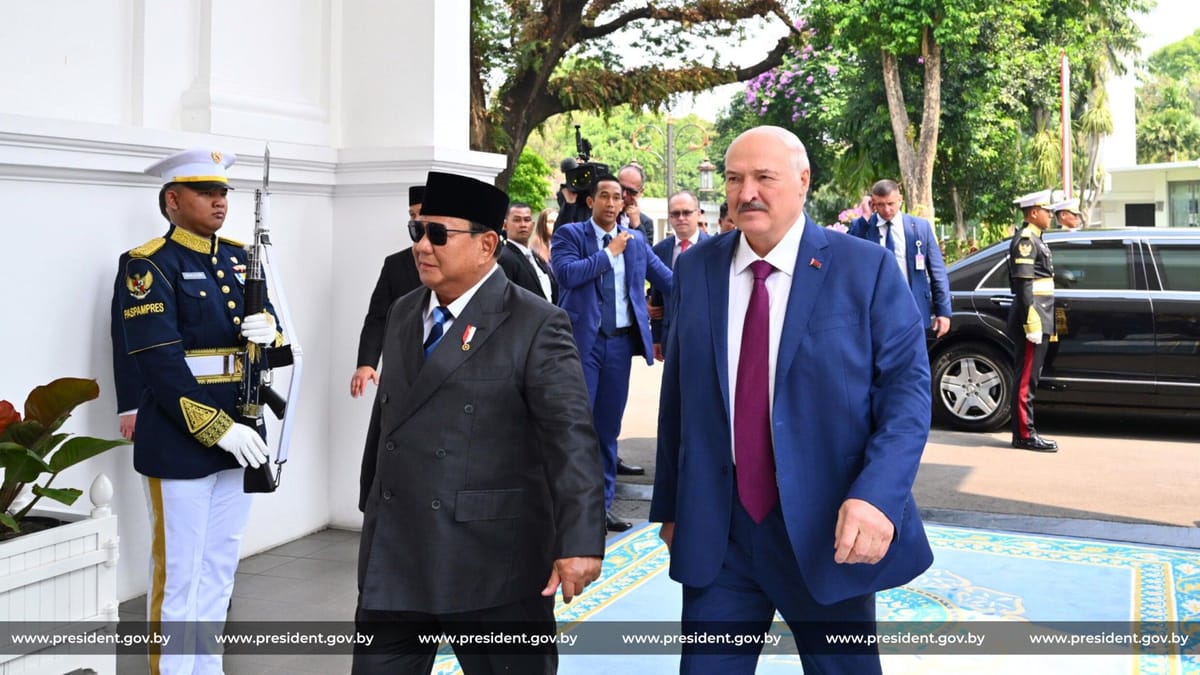
Belarusian Leader Expands Global Engagement
Alyaksandr Lukashenka, the President of Belarus, made a notable appearance in Indonesia, signaling a strategic shift in his diplomatic engagements. This visit comes after a period when Lukashenka was expected to be politically marginalized and viewed primarily as a subordinate to the Kremlin. By actively seeking connections outside of Europe, Lukashenka aims to reposition Minsk as a key player in the Global South, asserting its independence from Russian influence.
Context and Analysis
Following the significant political upheaval in Belarus in 2020, many analysts anticipated that Lukashenka's power would wane, reducing him to a mere executor of Russian directives. However, his recent trip to Indonesia suggests a different narrative. The Belarusian leader is actively looking to foster relationships that extend beyond traditional alliances, demonstrating a desire to cultivate a more autonomous foreign policy. This development could indicate a long-term strategy to diversify Belarus's international partnerships, particularly in regions that are often overlooked by Western powers.
Engaging with countries in the Global South may provide Lukashenka with alternative avenues for political and economic support, potentially lessening Belarus's dependency on Russia. As he builds these contacts, Lukashenka appears to be crafting a narrative that positions Belarus as a distinct entity on the global stage, rather than merely a satellite state of Russia.
Why It Matters
This shift in diplomatic focus raises important questions about the future of Belarus's foreign relations. Analysts will be watching how Lukashenka's outreach to the Global South evolves and whether it translates into tangible benefits for Belarus. The implications of this strategy could affect regional stability and alter the dynamics of Eastern European geopolitics, as a more engaged Belarus might seek to assert its interests more vigorously against both Western and Russian influences.
Sources: Defence24, TV BRICS, IntelliNews, Kyiv Post, and Defence24.com