Malaysia Enhances Artillery Capabilities with French Caesar Howitzers

Acquisition Details
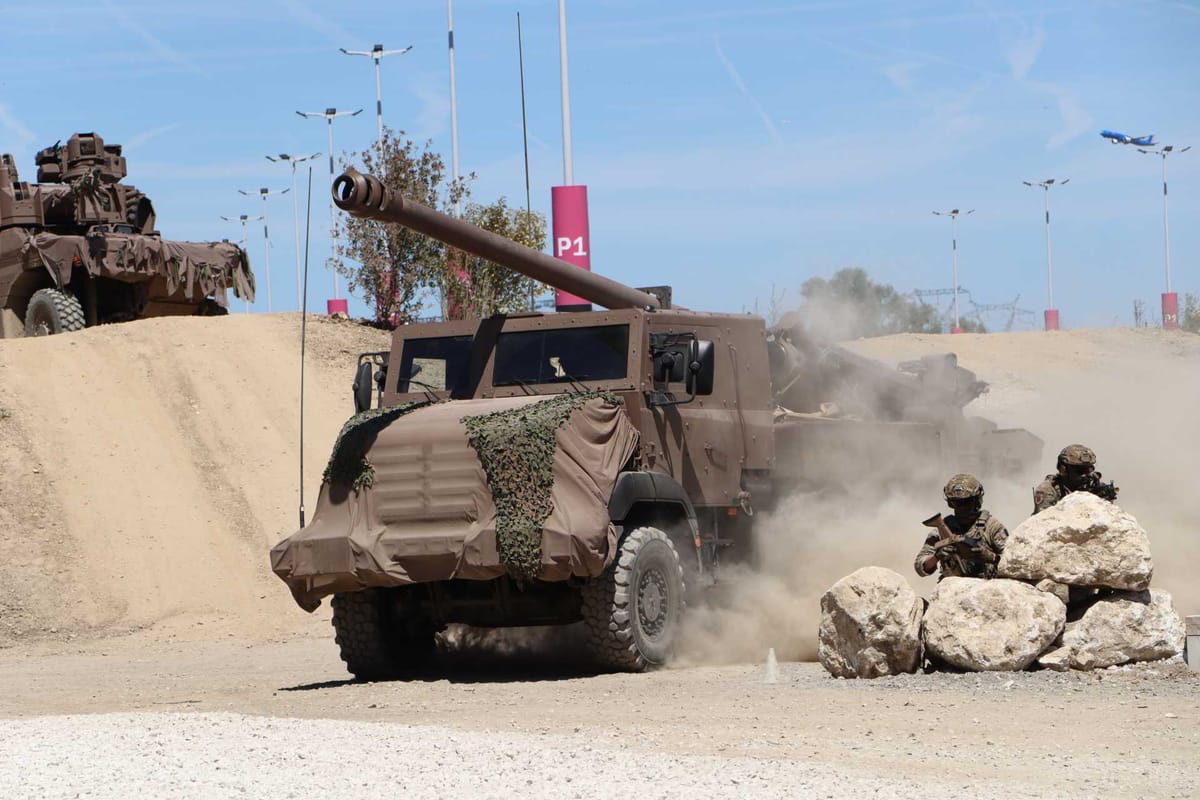
At Eurosatory 2026, the Malaysian Army made a significant stride in modernizing its artillery forces by ordering 18 KNDS Caesar self-propelled howitzers from France. This acquisition is part of the establishment of a new artillery regiment, which will include domestic assembly and technology transfer as key components of the deal. The integration of such advanced artillery systems is poised to enhance Malaysia's operational capabilities significantly.
Strategic Implications
The decision to procure the Caesar howitzers highlights Malaysia’s commitment to upgrading its military assets in response to evolving regional security dynamics. The self-propelled howitzer, known for its mobility and firepower, is designed to deliver effective artillery support on the battlefield. This acquisition not only improves Malaysia's artillery capabilities but also emphasizes the importance of local assembly and technology transfer, which can foster domestic defense industries and reduce reliance on foreign suppliers.
This move raises questions about Malaysia’s broader defense strategy and its potential implications for regional military balance. As Southeast Asia experiences increasing tensions related to territorial disputes and security concerns, countries like Malaysia may feel pressured to bolster their military readiness. The acquisition of modern systems such as the Caesar could serve as a deterrent while also enhancing the operational interoperability of Malaysian forces with allies.
Why it matters: The establishment of a new artillery regiment equipped with the Caesar howitzers signifies a strategic enhancement for Malaysia’s military capabilities. The implications of this acquisition extend beyond immediate operational advantages; it may also influence defense partnerships and collaborations within the region. As Malaysia continues to invest in modernizing its armed forces, analysts will be closely monitoring how these developments affect the security dynamics in Southeast Asia, particularly in relation to its neighbors and potential adversaries.
Sources: Armyrecognition, Defence Security Asia, ASDNews, Malay Mail, and meta-defense.fr