Managing Ukraine's Drone Operators Post-Conflict: A Strategic Challenge

Potential Risks of Demobilization
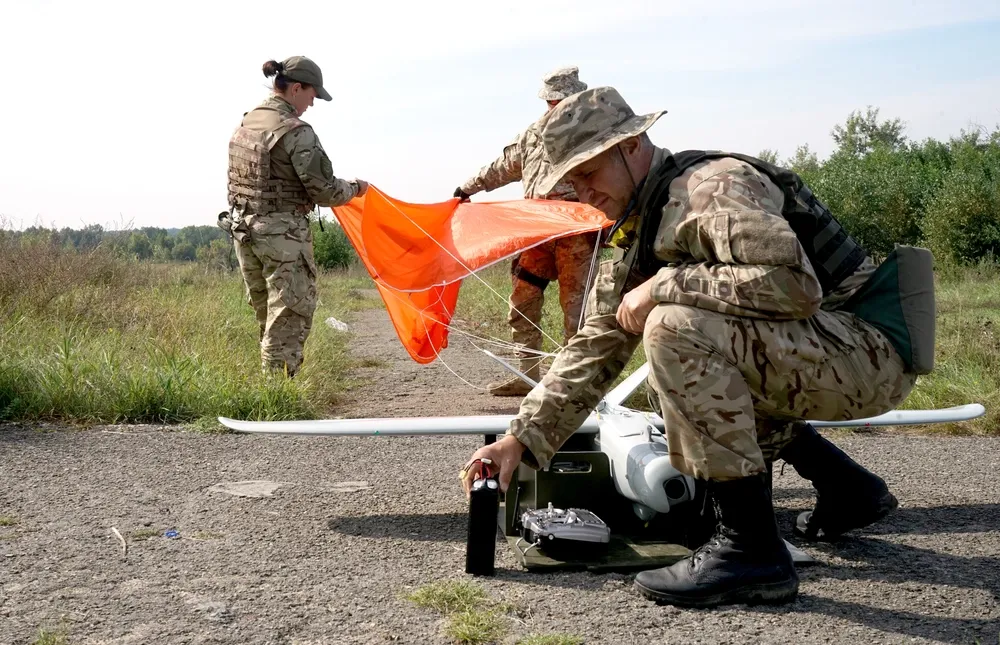
As Ukraine's conflict approaches a possible conclusion, the nation faces a critical challenge regarding its trained army of drone operators. Thousands of these operators, who have gained significant experience and skills in the use of unmanned aerial vehicles, could pose risks if not effectively managed. The concern is that many of these operators may transition into mercenary networks or engage in terrorist activities, creating a volatile security environment not just in Ukraine, but potentially in other regions as well.
The implications of this situation are profound. With the rise of asymmetrical warfare and the increasing reliance on technology in conflicts, the capabilities of these drone operators could be exploited beyond the battlefield. Countries and non-state actors may seek to recruit these individuals, leading to an expansion of private military companies and increased threats from terrorism. The urgent need for a structured approach to demobilize and reintegrate these operators into civilian life is paramount, as failure to do so could exacerbate instability in post-war Ukraine.
Why It Matters
This situation raises significant questions about the future of security in the region. Managing the transition of skilled drone operators is essential to prevent the emergence of new security threats. The ability of Ukraine and its allies to effectively address this issue will determine not only the stability of Ukraine but also the broader geopolitical landscape, as displaced operators could contribute to conflicts elsewhere. Analysts will be watching how Ukraine navigates this challenge, particularly in terms of international cooperation and support for reintegration initiatives.
Sources: Thedefensepost, Defence Security Asia, DefenseScoop, Modern War Institute -, and Reuters