Military Sealift Command Adapts to Lessons from Iran Conflict

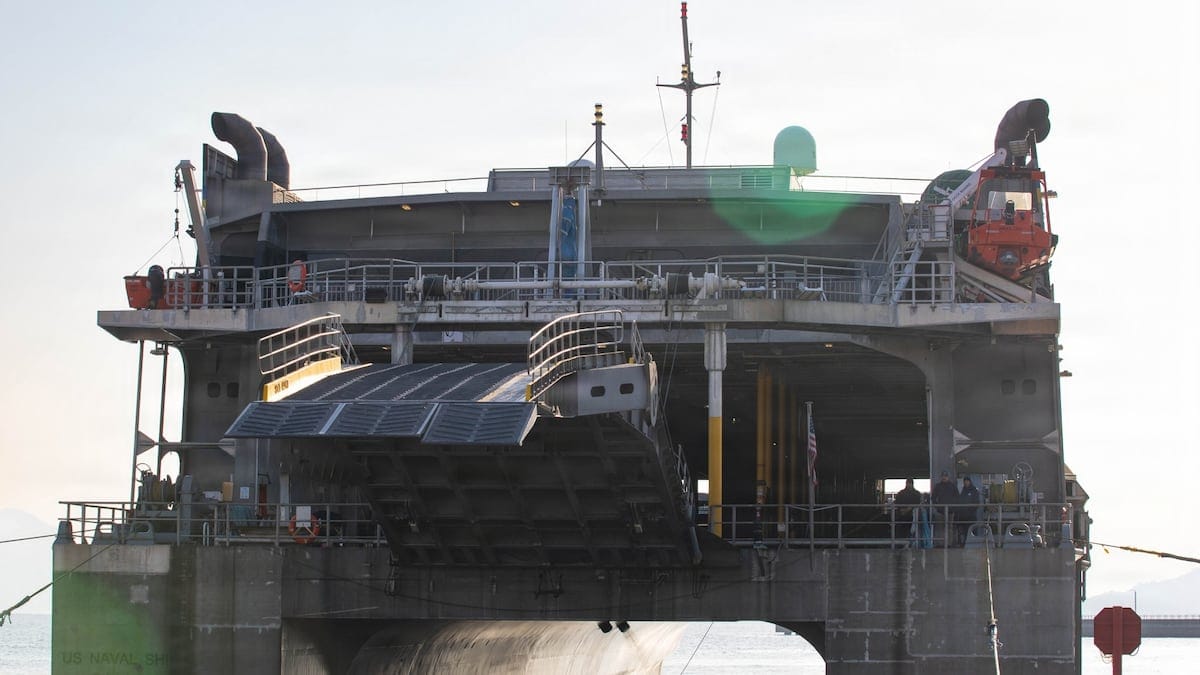
Understanding the Challenges of Contested Logistics
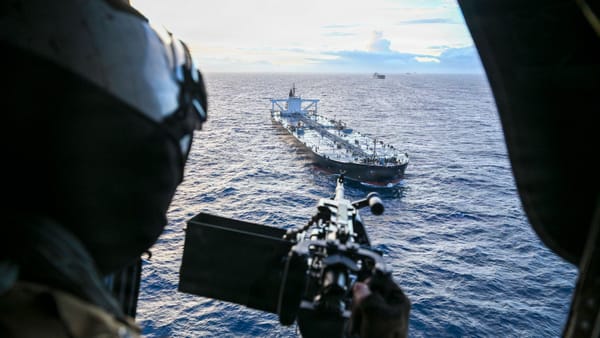
The Military Sealift Command is currently adapting its logistical strategies in response to the complexities faced in supply lines amid tensions with Iran. As military operations evolve, the Command is recognizing the necessity of refining its operations to maintain effectiveness in contested environments. This shift comes as a direct response to the sophisticated capabilities demonstrated by Iran during recent conflicts.
Supply chain vulnerabilities have become evident as the U.S. military assesses its logistical frameworks against potential adversaries like Iran. The Command's efforts to streamline and enhance its logistics reflect a broader understanding that maintaining a reliable supply chain is critical to operational success. In particular, the challenges posed by advanced enemy capabilities necessitate innovative solutions to ensure that U.S. forces remain adequately supplied in any theater of conflict.
Why it Matters
The implications of these adaptations are significant for future military engagements. As the Military Sealift Command learns from the operational landscape shaped by Iran, it raises important questions about the resilience of U.S. logistics in multi-domain operations. Analysts will be watching how these changes influence not only immediate operational capabilities but also long-term strategic planning. Enhanced logistics will be vital as the U.S. seeks to deter aggression and respond effectively in increasingly complex global arenas.
Sources: Defensenews, Defense News, The War Zone, Military Embedded Systems, and Stars and Stripes