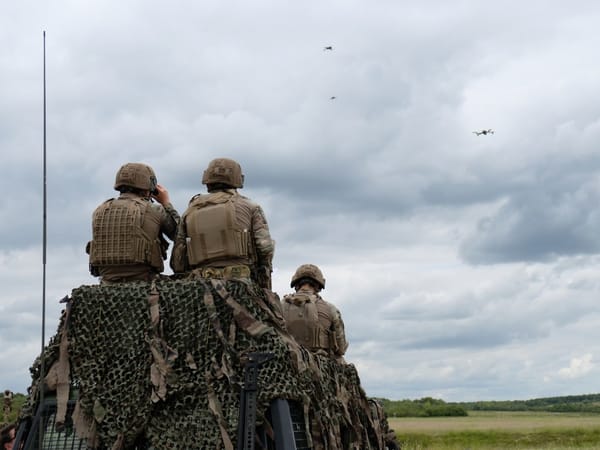
Dutch to Develop Mobile Anti-Drone System to Address C-UAS Gap

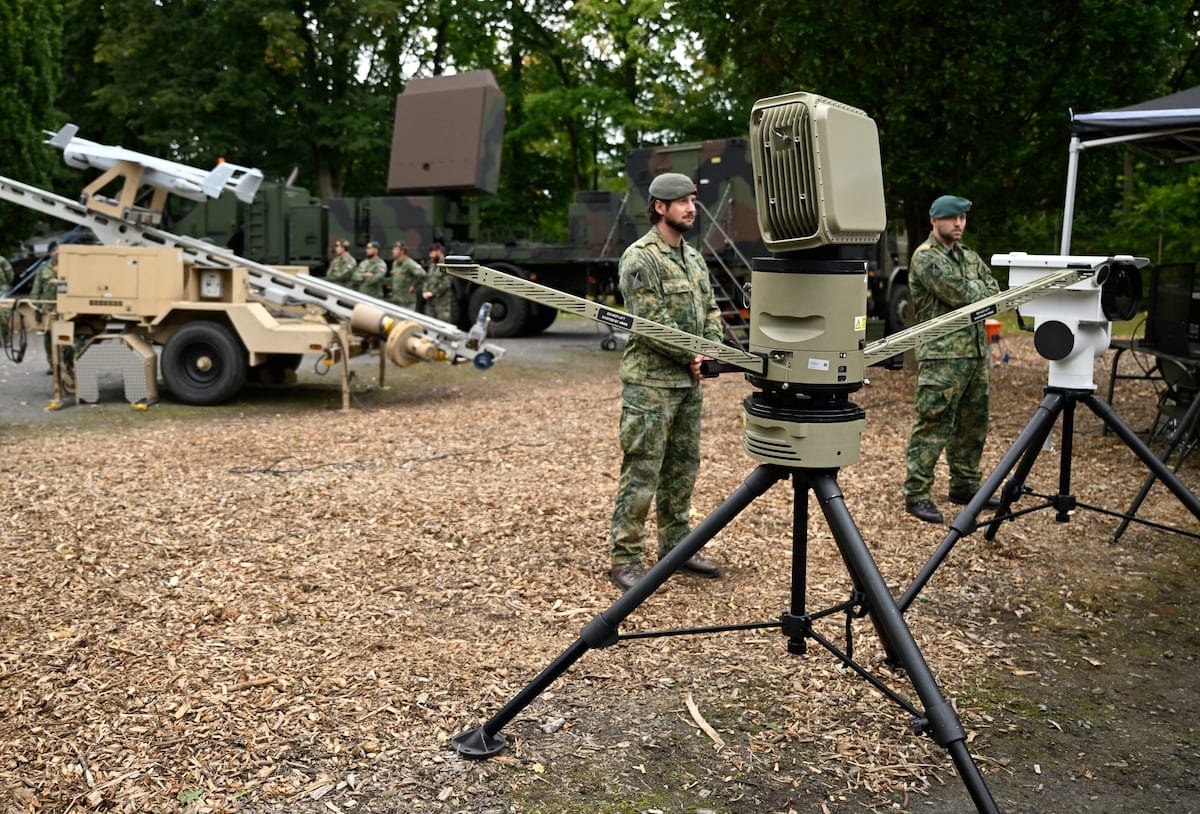
Netherlands Enhances Mobile C-UAS Capability Amid Rising Drone Threats
Introduction Recent reports indicate that the Netherlands is taking significant steps to address emerging challenges posed by unmanned aerial systems (UAS). The nation plans to equip its infantry with a mobile anti-drone capability by retrofitting remote-controlled weapon systems onto wheeled armored vehicles. This initiative aims to bolster the military’s counter UAS (C-UAS) capabilities ahead of the projected delivery of Rheinmetall’s Skyranger 30 system in 2028. Strategic Needs for Rapid Deployment The urgency for effective C-UAS solutions stems from the escalating drone threat, particularly evident in conflict zones such as Ukraine. In a letter to Parliament, State Secretary for Defence Gijs Tuinman articulated the necessity for rapid-response capabilities, noting that drones have increasingly become the predominant cause of casualties in front-line operations.
- Budget Allocation: The Dutch government has earmarked between €1 billion and €2.5 billion for investments in counter-drone technologies.
- Lessons Learned: The ongoing conflict in Ukraine has informed the Ministry of Defence’s strategies, driving home the importance of developing robust anti-drone systems.
Developing a Mobile Anti-Drone System The planned Dutch mobile anti-drone systems will utilize an assembly of military off-the-shelf components, including:
- Wheeled armored vehicles
- Remote-controlled weapon stations
- Ammunition and sophisticated combat management systems
While specific details regarding delivery timelines and quantities remain undisclosed due to operational security concerns, the Ministry of Defence has committed to acquiring these new systems. Current Inventory and Future Provisions The Netherlands has already placed an order for 22 Skyranger 30 systems, with the initial deliveries slated for 2028. Importantly, the newly developed mobile systems will continue to operate alongside the Rheinmetall air-defense cannons, reinforcing the Dutch military’s capacity to counter UAS threats comprehensively. Context of Rising Drone Activities Concerns about unidentified drone activities are mounting across Europe, especially following reported incursions involving Russian drones near critical NATO infrastructure. In recent incidents, Dutch authorities noted the sighting of unidentified drones over Volkel Air Base and Eindhoven Airport—signifying a broader trend affecting multiple nations in Europe.
- European Response: Countries are rushing to implement interim measures to safeguard ground forces, mirroring initiatives such as France’s development of the Proteus anti-drone system.
Comprehensive Investment in C-UAS Technologies In addition to mobile solutions, the Netherlands is exploring various technological investments, including:
- IRIS anti-drone radar systems
- All-terrain patrol vehicles equipped with integrated remote weapon systems
- Additional man-portable and vehicle-mounted C-UAS systems
- Interceptor drones for enhanced situational management
Furthermore, the Dutch government is looking to augment its maritime capabilities, with plans to invest in hard-kill C-UAS systems for the Royal Netherlands Navy, addressing a recognized gap in defending maritime vessels. Currently, many naval counter-drone systems rely predominantly on soft-kill methods or costly kinetic systems. Conclusion: Addressing Capability Gaps The Ministry of Defence highlights that there is a pressing need to develop an integrated countermeasure that combines short-range self-defense with medium-range capabilities—addressing a critical vulnerability in existing defense frameworks. The allocated budget for these initiatives ranges between €250 million and €1 billion, with comprehensive details expected to be submitted to Parliament during the spring of 2026. The strategic development of these capabilities is essential for enhancing the operational survivability of Dutch naval units amidst evolving threats from unmanned systems.