NATO Agency Initiates NH90 Block 2 Architecture Study

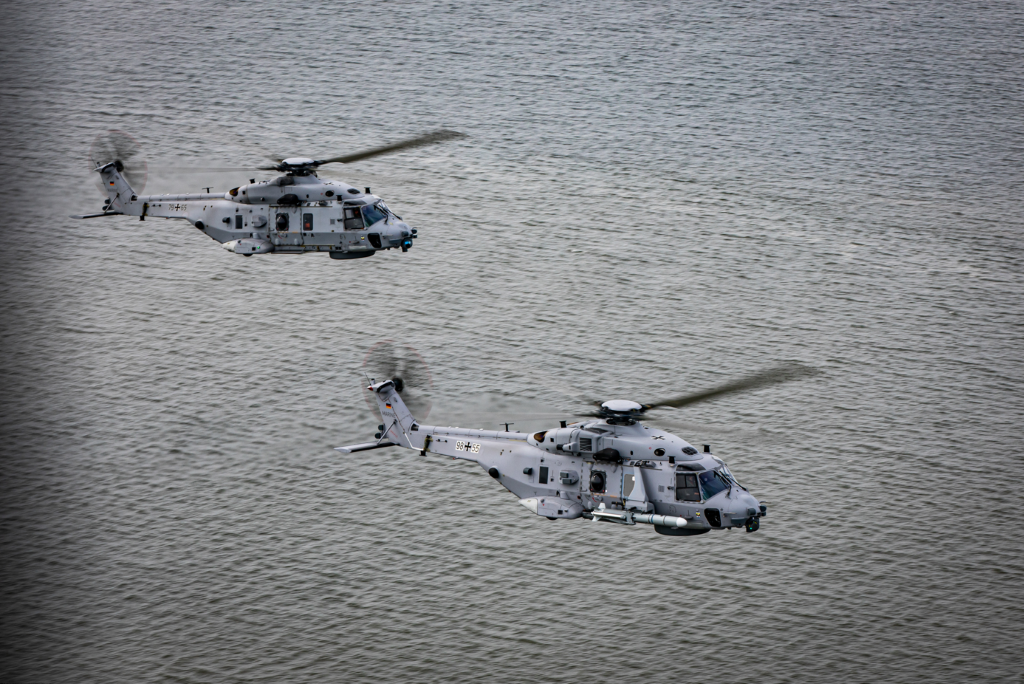
NAHEMA Signs Contract for NH90 Programme
On April 20, 2026, the NATO agency responsible for the NH90 programme, NAHEMA, formalized a contract to conduct a study on the Block 2 architecture of the NH90 helicopter. This initiative aims to enhance the operational capabilities of the NH90 fleet, which is used by various NATO member states. The study is a crucial step in modernizing the helicopter's systems and ensuring interoperability among the alliance's forces.
Context and Analysis
The NH90 helicopter has been a key asset for NATO, designed to meet the varied demands of modern military operations, including transport, anti-submarine warfare, and search and rescue missions. The Block 2 architecture study will focus on integrating advanced technologies to improve mission effectiveness and support multi-role capabilities. This contract aligns with NATO's broader objective of ensuring that member states have access to state-of-the-art equipment that can adapt to evolving combat environments.
By investing in the NH90's capabilities, NATO demonstrates its commitment to maintaining a robust and agile force. The study is expected to provide insights that will not only benefit the NH90 programme but also inform future helicopter developments within the alliance. As various nations look to upgrade their military assets, the results of this study could influence procurement strategies across NATO.
Why It Matters
The decision to advance the NH90 Block 2 architecture study highlights NATO's proactive approach to defense modernization in an increasingly complex global security landscape. Strengthening interoperability among NATO forces through enhanced helicopter capabilities can lead to more effective joint operations. This initiative raises the question of how other member states will respond in terms of their own defense investments and technological advancements. As countries assess their military readiness, the implications of this study could resonate throughout NATO, influencing future collaborative efforts and shared defense strategies.
Sources: Edrmagazine, AeroTime, AviTrader Aviation News, marketscreener.com, and Defence Industry Europe