NATO Strengthens Military Presence in the High North

Strategic Developments in the Arctic
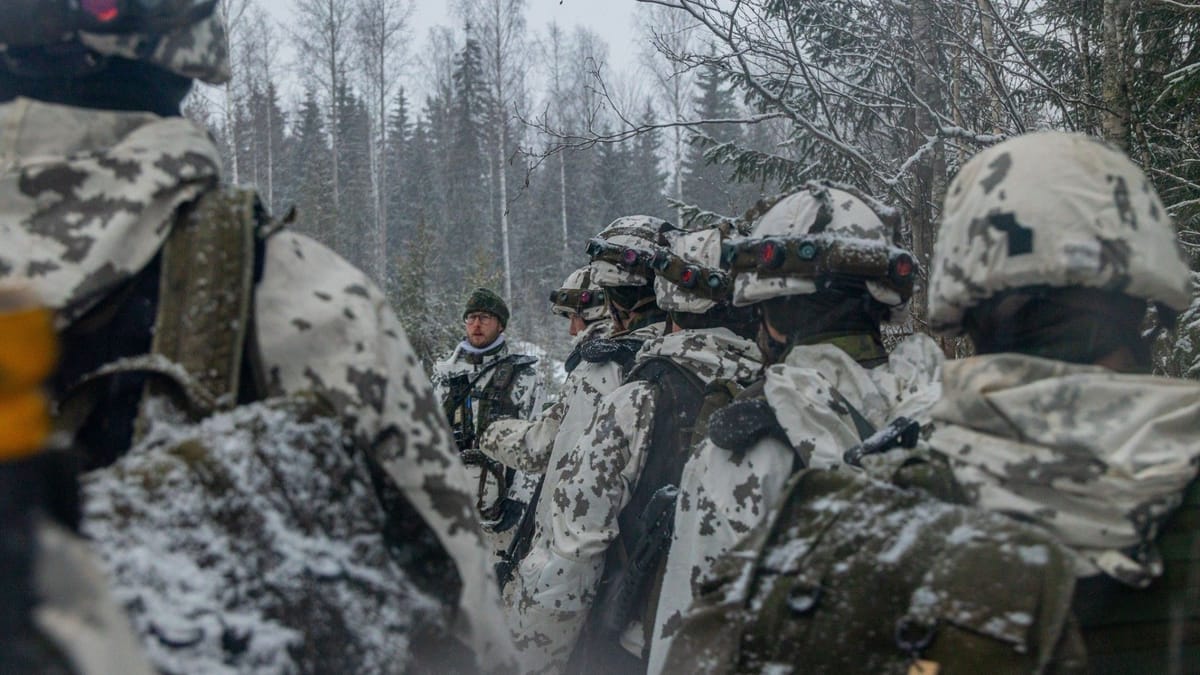
The evolving security landscape in the Arctic is underscored by NATO's establishment of the Forward Land Forces Finland. This initiative, which signifies a robust military architecture in the High North, highlights the Alliance's renewed focus on its northern flank. Finland and Sweden are actively demonstrating that their accession to NATO is substantive, rather than merely symbolic, as they pivot their attention northward in response to escalating pressures from Russia.
Both Finland and Sweden recognize that Russian aggression extends beyond traditional theaters such as Ukraine, the Baltic states, and the Black Sea. Their strategic reorientation reflects a comprehensive understanding of the potential threats posed by Russia in the Arctic region. The formation of Forward Land Forces Finland is a clear indicator of NATO's commitment to enhancing its deterrent capabilities in the High North, reinforcing the Alliance's collective defense posture amid rising geopolitical tensions.
Why It Matters
This shift in focus towards the Arctic is critical as it raises questions about the future of NATO's deterrence strategy in the region. With Russia's military activities increasing, the implication is that NATO must continue to adapt and strengthen its presence to safeguard its northern borders. The developments in Finland and Sweden serve as a reminder of the importance of unity within the Alliance and the necessity to remain vigilant against potential threats. Analysts will be closely monitoring how these changes will influence NATO's operational strategies and relationships with other Arctic nations.
Sources: Defence24, Atlantic Council, North Atlantic Treaty Organization | NATO, High North News, and The Barents Observer