NATO Summit in Ankara Maintains Alliance Unity Amidst Global Tensions

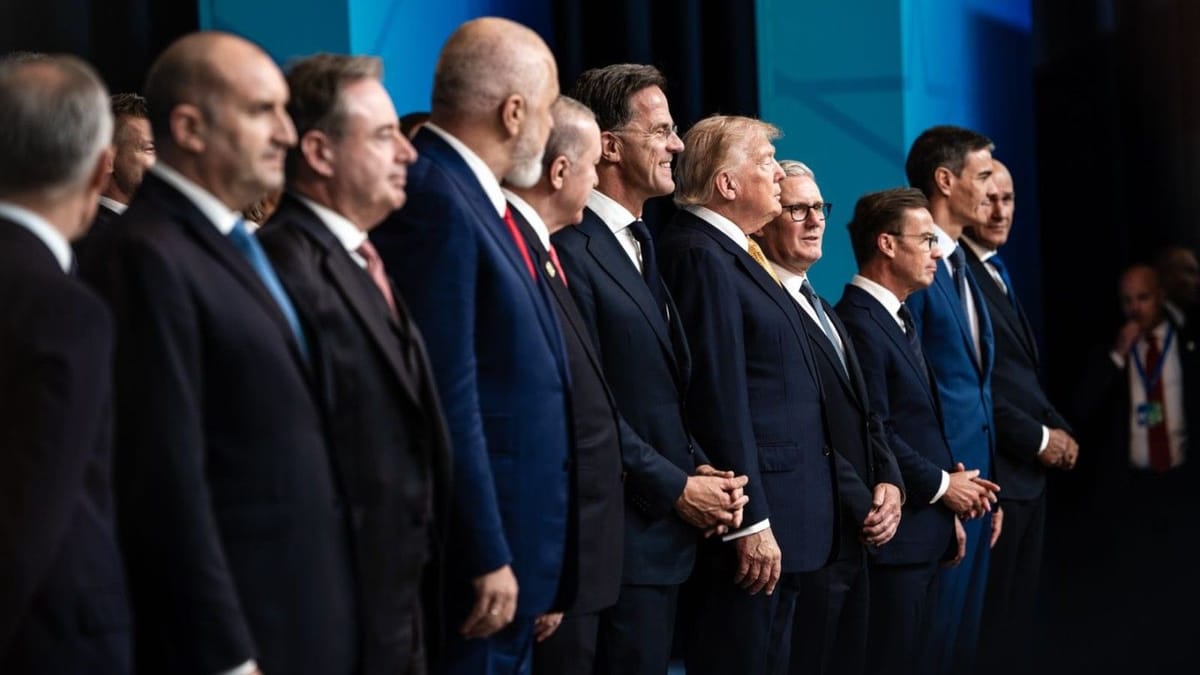
Overview of the Ankara Summit
The NATO summit held in Ankara marked the Alliance's significant return to one of its key member states after over two decades. Hosted in Türkiye, the summit garnered considerable attention as discussions focused on two contrasting scenarios: a potential fracture of NATO or a strengthened unity bolstered by support from Ukraine, the Indo-Pacific, and the Middle East. Ultimately, while neither of these extreme outcomes materialized, NATO succeeded in preserving its unity, a critical factor in addressing the ongoing challenges posed by Russia's war against Ukraine, tensions with Iran, and various internal disputes.
Context and Analysis
Despite high expectations, the summit did not yield groundbreaking decisions. Instead, it reaffirmed the importance of cohesion within NATO amidst external pressures and internal divisions. Key issues such as defense spending, relations with Russia, and even debates over Greenland were acknowledged but left largely unresolved. The summit served as a reminder of NATO's challenges, including maintaining a unified front while navigating complex geopolitical landscapes. As the situation evolves, the ability of NATO to balance differing interests among member states will be crucial for its effectiveness and relevance.
Why it matters: The preservation of NATO's unity is particularly significant in light of ongoing geopolitical tensions. This raises the question of how the Alliance can adapt to emerging threats while ensuring that all member nations feel included and valued. Analysts will be watching closely how NATO addresses these internal fractures and external pressures moving forward, as any signs of disunity could embolden adversaries and undermine collective security efforts.
Sources: Defence24, The New York Times, Al Jazeera, NBC News, and Defence24.com