NATO Summit in Ankara: Navigating Challenges and Future Directions

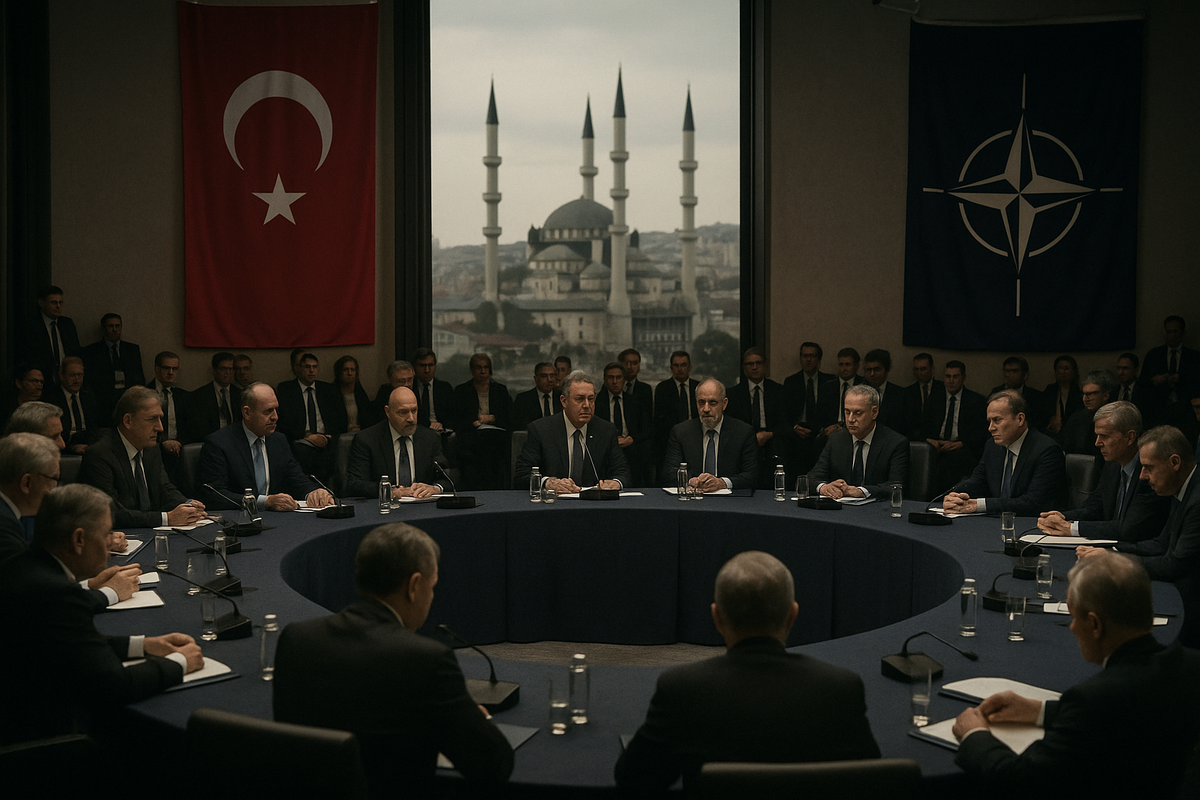
Summit Overview and Objectives
The NATO summit in Ankara, held recently, focused on the critical task of not only maintaining but also enhancing transatlantic cooperation. This effort is seen as essential in addressing the evolving security landscape and the geopolitical tensions that have arisen in recent years. The summit followed months of preparation, emphasizing the need for a unified approach among member states to ensure collective security and effective response capabilities.
Context and Analysis
The discussions at the summit reflect a growing recognition among NATO allies that traditional security parameters are shifting. This transformation necessitates a reevaluation of strategic priorities and operational frameworks within the Alliance. The emphasis on strengthening cooperation signals a response to various regional threats, including instability in Eastern Europe and challenges posed by non-state actors. However, the sense of unfulfilled expectations indicates that while progress was made, some member states may feel that the outcomes did not fully align with their aspirations for a more robust NATO posture.
Analysts will be watching how these discussions translate into actionable strategies in the coming months. The effectiveness of the summit's resolutions will depend on the willingness of member states to translate commitments into concrete measures that bolster defense capabilities and enhance deterrence against potential aggressors.
Why it matters: The implications of the Ankara summit extend beyond immediate security concerns. The ongoing evolution of NATO's strategic posture is crucial for maintaining stability in an increasingly multipolar world. The ability of NATO to adapt and respond effectively to new threats will influence not only collective security in Europe but also the broader geopolitical balance. As member states assess their commitments, the future of transatlantic relations and NATO's role in global security will be closely scrutinized.
Sources: Defence24, Carnegie Endowment for International Peace, South China Morning Post, Decode39, and Daily Sabah