NATO's Accountability Challenge: Insights from a Turkish Prison Cell

Context of NATO's Meeting in Ankara
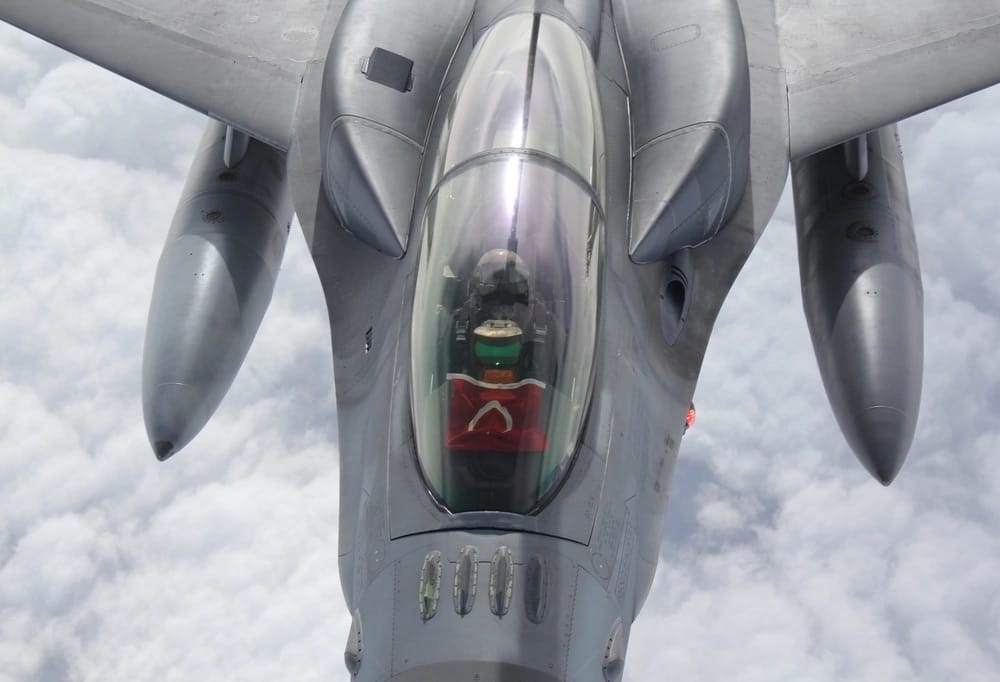
During a recent meeting in Ankara, NATO leaders convened to discuss pressing security issues facing the alliance. Amidst this backdrop, a jailed Turkish pilot has raised critical concerns regarding NATO's commitment to accountability among its members. The pilot argues that the alliance has overlooked significant opportunities to address Turkey's actions, which could undermine its core values and unity.
The pilot's situation highlights a growing tension within NATO concerning member states' adherence to democratic norms and human rights. Turkey, a key NATO ally, has faced criticism for its increasingly authoritarian governance and the imprisonment of dissenters. By not addressing these issues, NATO may risk its integrity and the perception of shared values among its member states. This presents a dilemma for the alliance: balancing the need for cooperation against the necessity of upholding democratic principles.
Implications for NATO's Future
This raises the question of how NATO will navigate the complexities of maintaining unity among its diverse members while holding them accountable for their actions. The pilot's plea serves as a stark reminder that the alliance must remain vigilant in promoting democratic values, even when it involves difficult conversations with key partners like Turkey. As NATO continues to evolve in response to global threats, the challenge of internal accountability may become increasingly critical.
Analysts will be watching how NATO leaders respond to these challenges in future meetings. The implications for the alliance's cohesion and effectiveness could be significant if member states perceive a lack of commitment to shared values. Addressing these issues head-on may not only strengthen NATO's internal solidarity but also enhance its credibility on the global stage.
Sources: Thedefensepost, Turkish Minute, Mail & Guardian, IDN-InDepthNews, and Freedom House