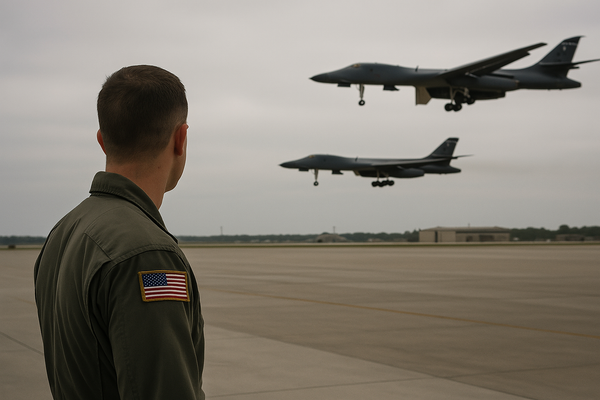
NATO's Enhanced Response: Baltic Drone Engagements Signal Evolving Threats

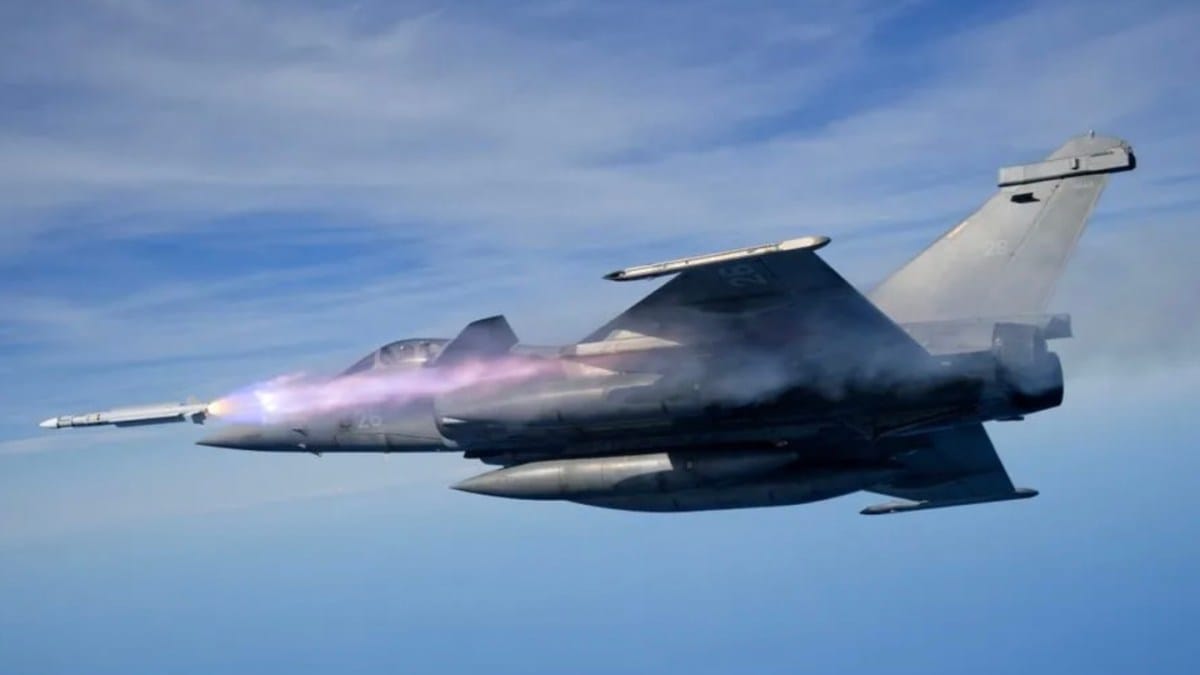
The successful interception of a drone by NATO fighter jets over Latvia marks a significant development in the ongoing challenges posed by unmanned aerial vehicles (UAVs) in the Baltic region. This incident, captured on video, not only illustrates the complexities of air policing for NATO but also underscores the increasing reliance on drones in modern warfare.
What Happened
According to reports from the Latvian armed forces, NATO fighter jets shot down a drone in the eastern part of Latvia. This event is noted as the first instance of an unmanned aerial vehicle being downed by allied forces over the country. The engagement was documented in what appears to be the first footage of such an event in Europe, highlighting the new dynamics of air defense operations.
The Strategic Calculus
The growing prevalence of drones in conflict zones presents significant challenges for NATO air policing. The recent engagement emphasizes the need for rapid adaptation in tactics and technology to counter evolving aerial threats. Key considerations include:
- Increased UAV Activity: The rising use of drones necessitates enhanced surveillance and interception capabilities.
- Airspace Security: Ensuring the safety of NATO airspace is critical, particularly in regions with heightened geopolitical tensions.
- Operational Readiness: The need for NATO forces to maintain a state of readiness to respond to UAV threats is paramount.
This situation raises questions about the preparedness of NATO forces to handle similar incidents in the future. Analysts will be closely monitoring how NATO adapts its strategies in response to the growing UAV threat.
The Bigger Picture
The drone interception in Latvia is part of a broader trend in which NATO countries are increasingly faced with aerial threats that require sophisticated responses. As the technology around UAVs evolves, so too must the strategies employed by NATO forces. This incident serves as a wake-up call for member states to invest in both technology and training to effectively counter UAV incursions.
The implications are clear: as the landscape of aerial warfare continues to shift, NATO’s air policing strategies must evolve to ensure the protection of its member states and maintain operational superiority in the region.
Sources: Twz, Defence24, The Kyiv Independent, Travel And Tour World, MSN, and The Jamestown Foundation