NATO's Evolving Deterrence Strategy: Lithuania's Constitutional Shift and U.S. Military Upgrades

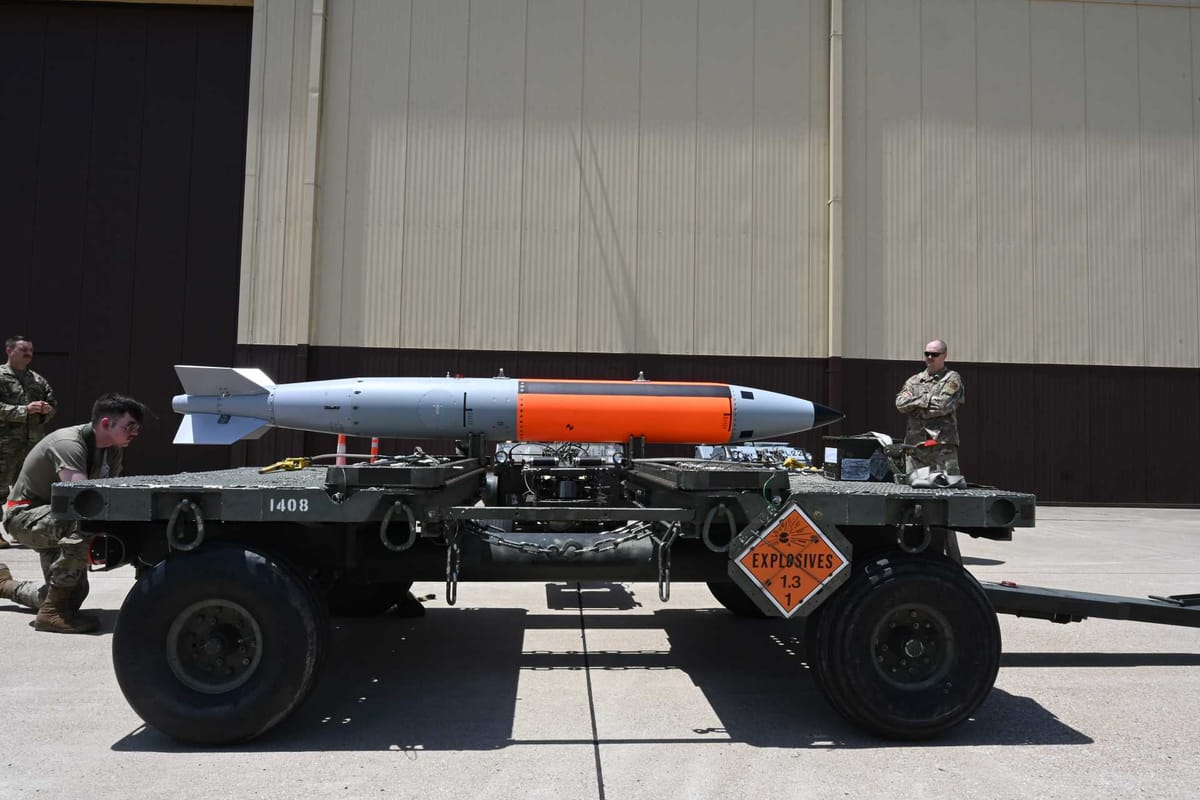
In a significant move to bolster NATO's collective defense posture, Lithuania has initiated a constitutional amendment to eliminate the ban on nuclear weapons and foreign military bases as outlined in Article 137. This legislative shift aims to align Lithuania’s legal framework with NATO's nuclear deterrence strategy, particularly in response to the perceived threats from Russian military capabilities in the region.
The Strategic Shift in Lithuania
By lifting the constitutional restrictions, Lithuania is positioning itself to enhance its military readiness and cooperative defense efforts within NATO. The amendment is expected to:
- Facilitate the hosting of NATO nuclear weapons on Lithuanian soil.
- Enable the establishment of foreign military bases, which could serve as critical support points in the event of regional conflict.
- Strengthen Lithuania's commitment to NATO's deterrence objectives against Russian aggression.
This legislative change underscores Lithuania's proactive stance in countering evolving security threats in Eastern Europe, particularly given the ongoing tensions with Russia.
U.S. Investments in Deterrence
Simultaneously, the United States is set to invest over $4 billion in upgrades to key military sites in the United Kingdom. This investment aims to support NATO's nuclear deterrence strategy and enhance operational capabilities for bomber operations and intelligence activities. The planned upgrades will:
- Enhance the infrastructure at U.S. military bases in the UK.
- Facilitate more efficient covert operations and intelligence-gathering missions.
- Support the overall NATO mission of deterrence in the face of potential adversarial threats.
This financial commitment reflects the U.S. government's ongoing efforts to reinforce its military presence in Europe and ensure robust defense capabilities in an increasingly complex security environment.
The Bigger Picture
The simultaneous developments in Lithuania and the UK highlight a broader trend within NATO to adapt and respond to heightened security challenges. The implications of these actions are substantial:
- Enhanced deterrence capabilities: By integrating nuclear strategies and improving military infrastructure, NATO aims to deter aggressive actions from regional actors.
- Increased military cooperation: The changes signal a commitment to collective defense and unity among NATO member states, fostering deeper military ties.
- The potential for more integrated defense planning, aligning both infrastructure and strategic objectives across member nations.
As NATO continues to adapt to the shifting geopolitical landscape, analysts will be closely monitoring how these developments will influence regional security dynamics and NATO's collective defense strategy.
Sources: Armyrecognition, Politico, KELO-AM, The Defense Post, and Reuters