NATO's New Strategic Directions: Air Defense and Industrial Production

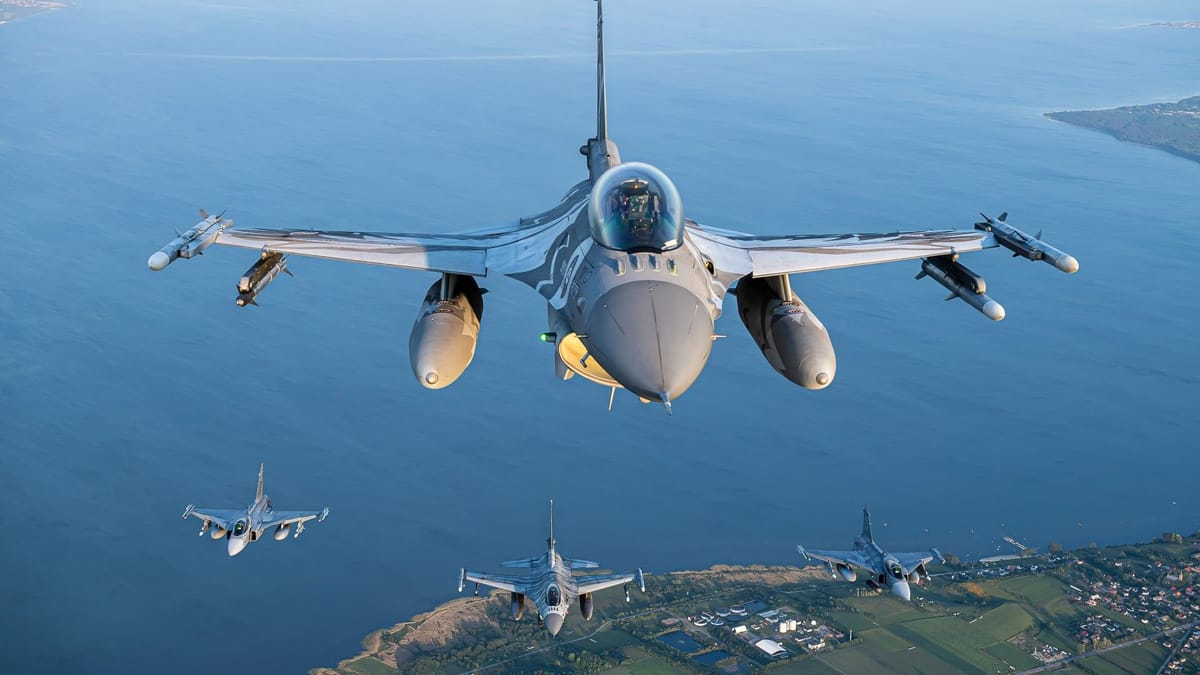
NATO is taking significant steps to enhance its defensive capabilities and industrial readiness, as evidenced by two recent initiatives. The expansion of Baltic Air Policing into a full air defense mission and the launch of new industry initiatives reflect a comprehensive approach to addressing current security challenges.
What Happened
During the North Atlantic Alliance summit in Ankara, NATO member states agreed to transform the longstanding Baltic Air Policing mission, initiated in 2004, into a robust air defense mission. This decision underscores a collective commitment to bolster air security in the Baltic region amid evolving regional threats.
Simultaneously, NATO has introduced two initiatives designed to facilitate defense companies' access to alliance opportunities. These initiatives are aimed at enhancing industrial production to better support NATO's operational needs. The concerted effort emphasizes NATO's recognition of the critical role that defense production plays in maintaining military readiness.
The Strategic Calculus
The transformation of Baltic Air Policing into a defense mission signals a shift in NATO’s strategic posture, particularly in response to perceived threats in Eastern Europe. This change could lead to:
- Increased NATO presence: A more pronounced air defense capability may involve the stationing of additional aircraft and personnel in the Baltic states.
- Enhanced collaboration: This mission expansion will likely require greater coordination among member states, fostering stronger military ties.
- Increased deterrence: A robust air defense system is expected to serve as a deterrent against potential aggression in the region.
On the industrial front, the new initiatives aim to strengthen NATO's supply chain and production capabilities. By making it easier for defense companies to engage with NATO projects, these initiatives could lead to a more responsive and agile defense sector. This is particularly important as NATO seeks to adapt to rapid technological advancements and evolving military requirements.
Industry Fallout
The implications of these initiatives extend beyond military operations. Enhancing defense production capabilities could lead to:
- Job creation: Increased demand for defense products may stimulate job growth within the defense sector.
- Innovation: A focus on production could encourage innovation in defense technologies, as companies compete for NATO contracts.
- International collaboration: Companies may find new opportunities for partnerships and collaboration across member states.
As NATO moves forward with these initiatives, analysts will be watching how these changes impact both military readiness and the defense industrial base. The ongoing commitment to air defense and production capabilities suggests that NATO is preparing to address contemporary security challenges with a united front.
Sources: Defence24, Thedefensepost, Reuters, Українські Національні Новини (УНН), Межа. Новини України., and Anadolu Ajansı