NATO's Strategic Investments: Fuel Infrastructure and AI Initiatives

At the recent NATO summit in Ankara, significant advancements in defense spending and strategic initiatives were unveiled, marking a robust commitment to strengthening the Alliance's eastern flank and enhancing operational capabilities. The focus on modernizing military infrastructure and integrating artificial intelligence into defense planning reflects a proactive approach to evolving security challenges.
What Happened
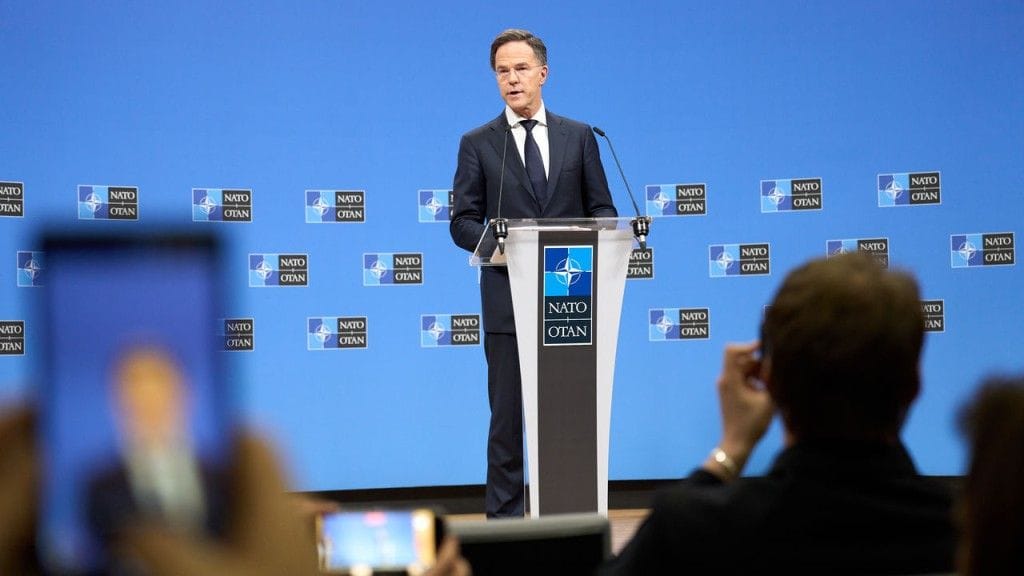
During the summit, NATO Secretary General Mark Rutte announced a landmark investment of 27 billion euros dedicated to the modernization and expansion of the military fuel supply chain. This investment aims to bolster the logistics and operational readiness of NATO forces stationed along the eastern flank, positioning Poland as a key beneficiary of this initiative.
In addition to the fuel infrastructure investment, allied nations finalized defense deals and investment packages exceeding $50 billion. This multi-faceted approach to defense is part of a broader strategy aimed at enhancing NATO's operational capabilities and deterrence through the establishment of international “purchasing coalitions” and fostering deeper industrial cooperation, referred to as “Made in NATO.”
The Strategic Calculus
The implications of these investments are significant. Secretary General Rutte emphasized that the ambitious goals set forth require a corresponding increase in defense budgets, urging Allies to aim for spending levels of 5% of GDP by 2035. This call to action underscores the necessity for member nations to align their financial commitments with the evolving demands of global security.
- 27 billion euros: Investment in fuel infrastructure for NATO's eastern flank.
- $50 billion: Total value of defense deals announced at the summit.
- 5% of GDP: Proposed defense spending target for NATO allies by 2035.
Furthermore, the summit spotlighted the growing importance of artificial intelligence in NATO's defense framework. Dr. Aleksander Olech and Dr. Karolina Grenda from the SET Foundation highlighted Poland's strategic, operational, and political grounds for hosting a NATO Centre for Artificial Intelligence. The integration of AI is increasingly recognized as crucial for enhancing command, intelligence, cyber defense, and information warfare capabilities.
Industry Fallout
The announcement of substantial investment packages and the push for increased defense spending are likely to reverberate through defense industries across member nations. The emphasis on “Made in NATO” could lead to an uptick in collaborative defense projects, fostering innovation and strengthening the transatlantic defense industrial base.
As NATO moves forward with these initiatives, analysts will be watching how member states respond to the call for increased defense budgets and the potential establishment of AI research centers. The outcomes of these efforts may redefine NATO's strategic posture in an increasingly complex global security landscape.
Sources: Defence24, Yahoo, INSIGHT EU MONITORING, Muslim Network TV, and Radio Moldova