Navigating Tensions: The Geopolitical Landscape of the Strait of Hormuz and Beyond

The strategic significance of the Strait of Hormuz continues to be a focal point amid rising tensions in the region, particularly with the activities of Iran and its proxies. While recent military deployments, such as the A-10 Warthogs targeting Iranian fast-attack craft, highlight immediate concerns, experts caution that other waterways, including the Red Sea, are also becoming critical arenas for conflict. This multifaceted maritime environment demands a nuanced understanding of the various players and the geopolitical implications of their actions.
What Happened
In a recent operation dubbed Epic Fury, the U.S. deployed A-10 Warthogs to the Strait of Hormuz to counter threats from Iranian naval forces. This move comes in response to ongoing provocations by Iranian fast-attack craft in the strategically vital waterway. Simultaneously, President Trump has urged a coalition of approximately seven countries to contribute naval forces to ensure the Strait remains open, although those appeals have yet to yield concrete commitments.
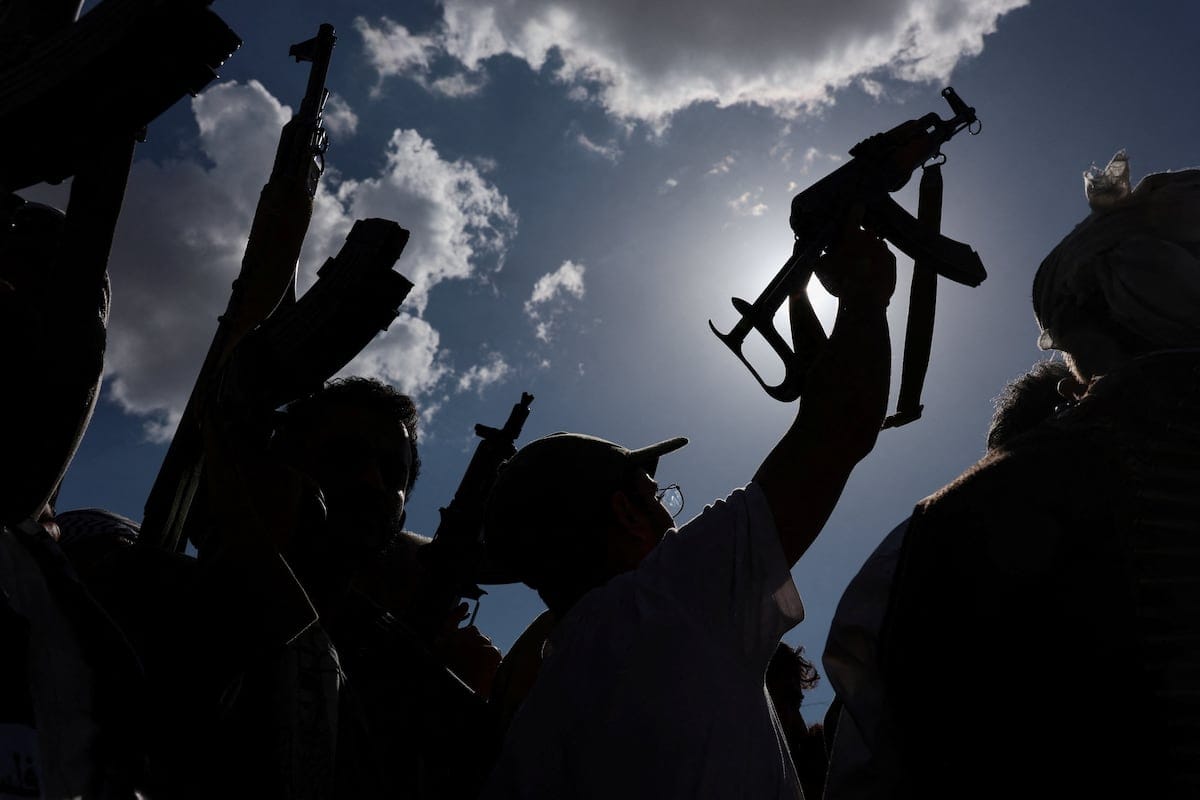
Beyond the Strait, experts are sounding alarms about the potential for increased Houthi activity in Yemen and the broader implications for maritime security in the Red Sea. As the conflict in Yemen persists, the Houthis have demonstrated capabilities to disrupt shipping lanes, which could further escalate tensions in an already volatile region.
The Strategic Calculus
The situation presents a complex strategic calculus for U.S. defense policy and its allies. Key factors include:
- Iran's Proxy Networks: Iran's use of proxies like the Houthis complicates the security landscape. Their ability to target maritime traffic poses a direct threat to international shipping and regional stability.
- Coalition Dynamics: Trump's call for international cooperation reflects a need for a unified approach to counter Iranian influence. However, the lack of commitments from allies raises questions about the effectiveness of such coalitions.
- Military Readiness: The deployment of A-10 Warthogs signals a commitment to maintaining a robust military presence in the region, but ongoing discussions about Air Force divestment could impact future operational capabilities.
As these dynamics unfold, the potential for miscalculation or escalation remains high, warranting close attention from defense analysts and policymakers.
The Bigger Picture
The growing complexity of maritime security in the Persian Gulf and Red Sea underscores the need for comprehensive strategies to address both immediate and long-term threats. Analysts emphasize that:
- Maintaining open lines of communication among regional powers is crucial to prevent misunderstandings and potential conflicts.
- Investing in intelligence and surveillance capabilities will be vital to monitor Iranian activities and their proxies effectively.
- Strengthening partnerships with Gulf states and other global powers is essential to enhance collective security efforts.
In summary, the interplay of military actions, diplomatic efforts, and proxy conflicts highlights an increasingly complex security environment in the Middle East. Defense professionals must remain vigilant to the evolving landscape and be prepared to adapt strategies accordingly.
Sources: Defensenews, 19FortyFive, The War Zone, Aerospace Global News, and Army Recognition