Navigating the Balloon Threat: Implications for Maritime Security

Emerging Risks in the Strait of Hormuz
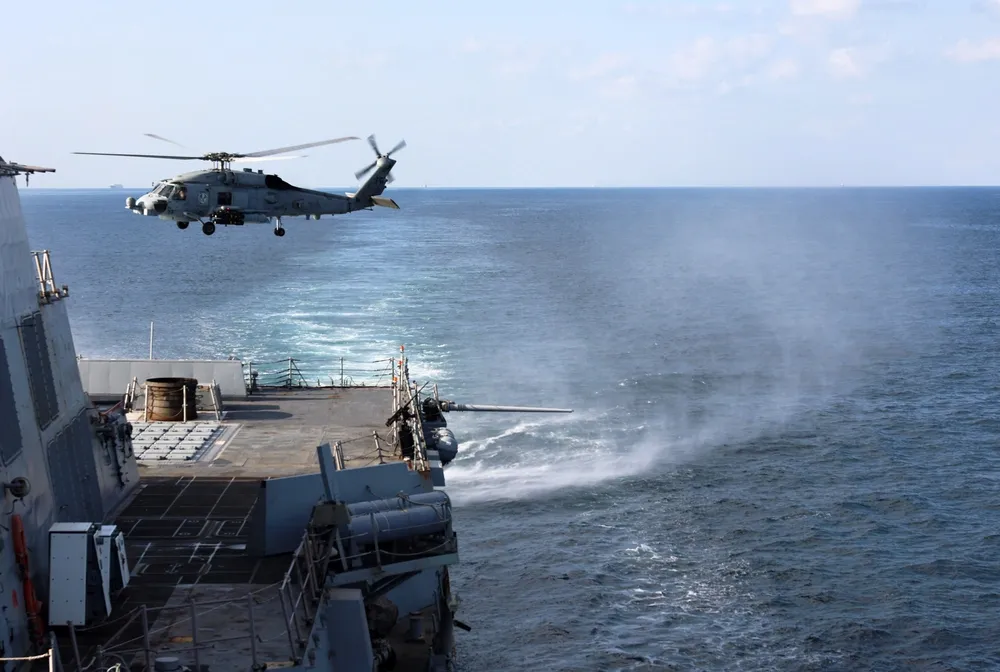
Recent analyses highlight the potential for cheap balloon campaigns to disrupt maritime shipping in the Strait of Hormuz. As a crucial chokepoint for global oil shipments, any significant disruption here could have far-reaching economic implications, including increased insurance costs for shipping companies. The emergence of these airborne decoys underscores a worrying trend in maritime security, where low-cost technology can create high-stakes challenges for international trade.
Context and Analysis
Balloon-based tactics may serve as a form of psychological warfare, designed to create uncertainty and instability in shipping lanes essential for economic stability. The Strait of Hormuz accounts for a substantial portion of the world's oil supply, making it a strategic target for adversaries seeking to leverage asymmetric warfare strategies. Analysts suggest that the ability to deploy these low-cost threats could embolden hostile actors, potentially leading to heightened tensions and escalated military responses from affected nations.
Moreover, the relative ease of producing and deploying such balloons could lead to increased incidents at sea, raising concerns over maritime security protocols. The international shipping community may need to reassess its risk management strategies to adapt to this emerging threat landscape. As maritime security gaps become more evident, traditional defense postures may require reevaluation to address unconventional threats effectively.
This situation raises critical questions about the effectiveness of current maritime defense systems and the need for enhanced surveillance capabilities. Stakeholders in global trade and maritime security must remain vigilant as these developments unfold, focusing on innovative solutions to counteract the evolving threat posed by low-cost airborne decoys. The implications of this trend could redefine maritime operational strategies and insurance frameworks, making it essential for defense professionals to stay informed and adaptable in face of these challenges.
Sources: Thedefensepost, The Defense Post, Ynetnews, Al Jazeera, and Royal Navy