Navy Advances Drone Boat Program with Upcoming Prototype Request

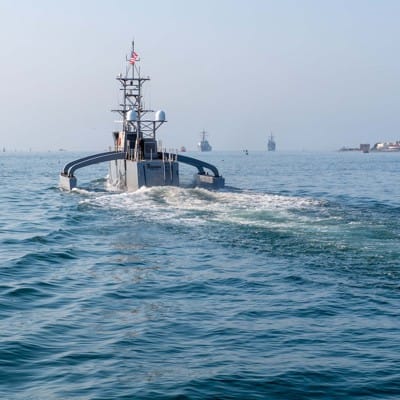
Prototype Request Signals Progress in Naval Autonomy
The U.S. Navy is poised to take a significant step forward in its drone boat program with an expected request for prototypes slated for August. This development reflects the Navy’s ongoing commitment to enhancing its naval capabilities through unmanned systems, aiming to adapt to contemporary maritime threats and operational demands.
As the naval landscape increasingly shifts towards automation and unmanned operations, the Navy’s drone boat initiative could play a crucial role in modernizing fleet operations. The request for prototypes indicates a focus on operational efficiency and the integration of advanced technology into naval warfare. Analysts will be closely observing how these prototypes will be tested and evaluated, particularly in relation to their potential roles in surveillance, logistics, and combat scenarios.
Strategic Implications for Naval Operations
This initiative demonstrates the Navy’s recognition of the evolving nature of maritime security and the necessity for innovative approaches to combat and reconnaissance. The integration of drone boats aligns with broader defense strategies aimed at maintaining a competitive edge in naval capabilities. Moreover, the emphasis on unmanned systems signifies a shift in how the Navy envisions future engagements and deterrence strategies. These developments could also influence budget allocations and priority areas within the Department of Defense as it seeks to modernize its approach to naval warfare.
Why it matters: The upcoming prototype request highlights a pivotal moment in the Navy’s efforts to enhance operational capabilities and adapt to new challenges in maritime security. The outcome of these prototypes may set a precedent for future investments in unmanned naval systems and could reshape the strategic landscape of U.S. naval operations. As the Navy moves forward, the effectiveness of these drone boats will be critical in determining their role within the broader framework of defense priorities.
Sources: Defenseone, facebook.com, MSN, gCaptain, and National Defense Magazine