F/A-XX Naval Fighter Required to Address Threats from Iran, Beyond Just China and Russia, According to Navy Chief

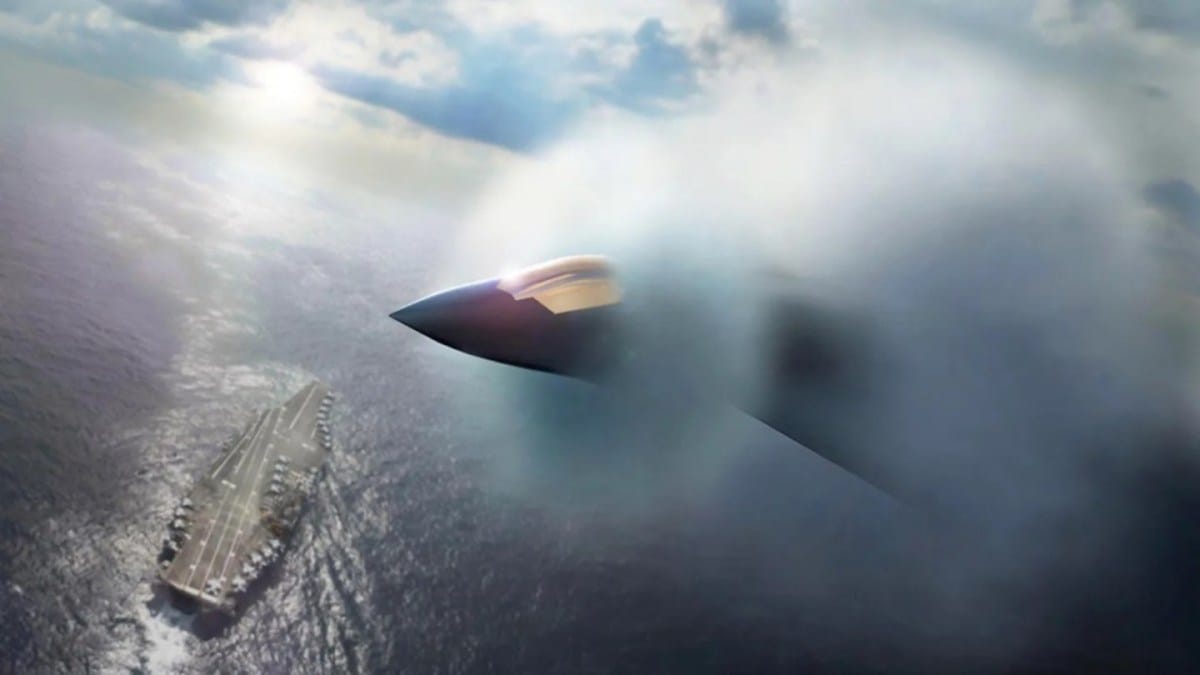
The Urgency for Advancing the F/A-XX Next-Generation Carrier-Based Fighter
Context of Air Defense Proliferation The Chief of Naval Operations (CNO), Adm. Daryl Caudle, has emphasized the escalating global proliferation of advanced air defense systems, which necessitates expedited efforts towards the development of the F/A-XX, the Navy’s future carrier-based fighter. He cautioned that without such advancement, the Navy’s ability to engage in operations with non-stealthy aircraft, like the F/A-18E/F Super Hornet, particularly against adversaries like Iran, is becoming increasingly precarious.
Key Insights from the Apex Defense Conference
During a recent live session at the Apex Defense conference in Washington, D.C., Adm. Caudle addressed the evolving threat landscape and the critical role of the F/A-XX. Here are the key highlights:
- Enhanced Threat Landscape: Caudle noted that adversaries, including smaller nation-states and non-state actors, are increasingly acquiring capabilities that can counter existing U.S. airframes. The ability of the Super Hornet to operate “with impunity” is diminishing rapidly.
- Critical Importance of F/A-XX: The proposed next-generation fighter is positioned as vital for maintaining air supremacy and ensuring effective air wing operations. Caudle remarked, “Nothing delivers the mass of air power required for modern operations.”
- Resource Competition: Previously shelved by the Pentagon to avoid competing for resources with the U.S. Air Force’s F-47 sixth-generation fighter, the F/A-XX project may gain momentum as Congress is advocating for its revitalization.
Competitive Landscape of Defense Industries
Boeing and Northrop Grumman are competing for the F/A-XX contract, while Lockheed Martin has been reportedly dropped from contention. The need for simultaneous development of multiple sixth-generation aircraft has been a point of contention, with both Boeing and Northrop Grumman arguing in favor of managing two intensive programs alongside limited industrial capacity.
F/A-XX Capabilities and Operational Role
Adm. Caudle outlined the numerous advantages expected from the F/A-XX, including:
- Stealth and Range: Enhanced stealth technologies and operational range improvements will significantly augment the Navy’s kinetic and electronic warfare capabilities.
- Operational Flexibility: The F/A-XX will be designed to command and control Collaborative Combat Aircraft (CCAs), contributing to battle space management and situational awareness.
- Adaptation to Future Threats: The CNO emphasized the pressing need to adapt to an evolving air defense ecosystem characterized by lower costs for advanced systems, allowing even lesser-powered nations to field effective anti-access and area denial (A2/AD) strategies.
Implications of Global Cooperation on Air Defense
The CNO highlighted the interoperability and collaborative efforts among adversaries such as China, Russia, Iran, and North Korea in developing advanced air defense systems. This pattern of cooperation amplifies the necessity for the U.S. to advance its air power assets in response to growing threats.
Potential Scenarios and Strategic Implications
Adm. Caudle’s remarks included scenarios concerning future U.S. naval deployments. The CNO underscored the importance of readiness in face of possible regional conflicts, particularly with a more capable Iran. He noted that the U.S. Navy remains a critical player in regional power dynamics, stating, “When tensions flare, it is often the U.S. Navy that is first on the scene.”
Recent Operational Context
Recent military operations have reinforced the CNO’s arguments. Incidents involving Iranian-backed Houthi forces in Yemen have demonstrated how even modest air defense systems can pose challenges to advanced U.S. fighter jets. Reports indicated that Houthi militants succeeded in downing multiple U.S. MQ-9 Reaper drones, evidencing the heightened risks faced by current airframes.
Growing Global Trends in Air Defense
The emergence of fully networked integrated air defense systems presents a complex challenge to U.S. military operations. These systems can coordinate and optimize resources more effectively than older federated architectures. As global defense threats evolve, the U.S. must remain vigilant and adaptive.
Strategic Outlook for F/A-XX
While the development of the F/A-XX is still in preliminary stages, its role in ensuring carrier-based airpower adaptability in high-threat environments is undeniable. Future conflicts, especially against peer competitors like China or Russia, will likely require capabilities that the F/A-XX is designed to fulfill. In Summary The F/A-XX project is not just an operational necessity for overcoming contemporary threats; it represents a broader strategic evolution essential for maintaining U.S. dominance in global air power. As emerging threats proliferate and adapt, the urgency for advanced solutions like the F/A-XX remains paramount for safeguarding national interests and maintaining operational effectiveness in the maritime domain. Source link