US Navy Initiates New Golden Fleet-era USV Program, Discontinues Previous Version

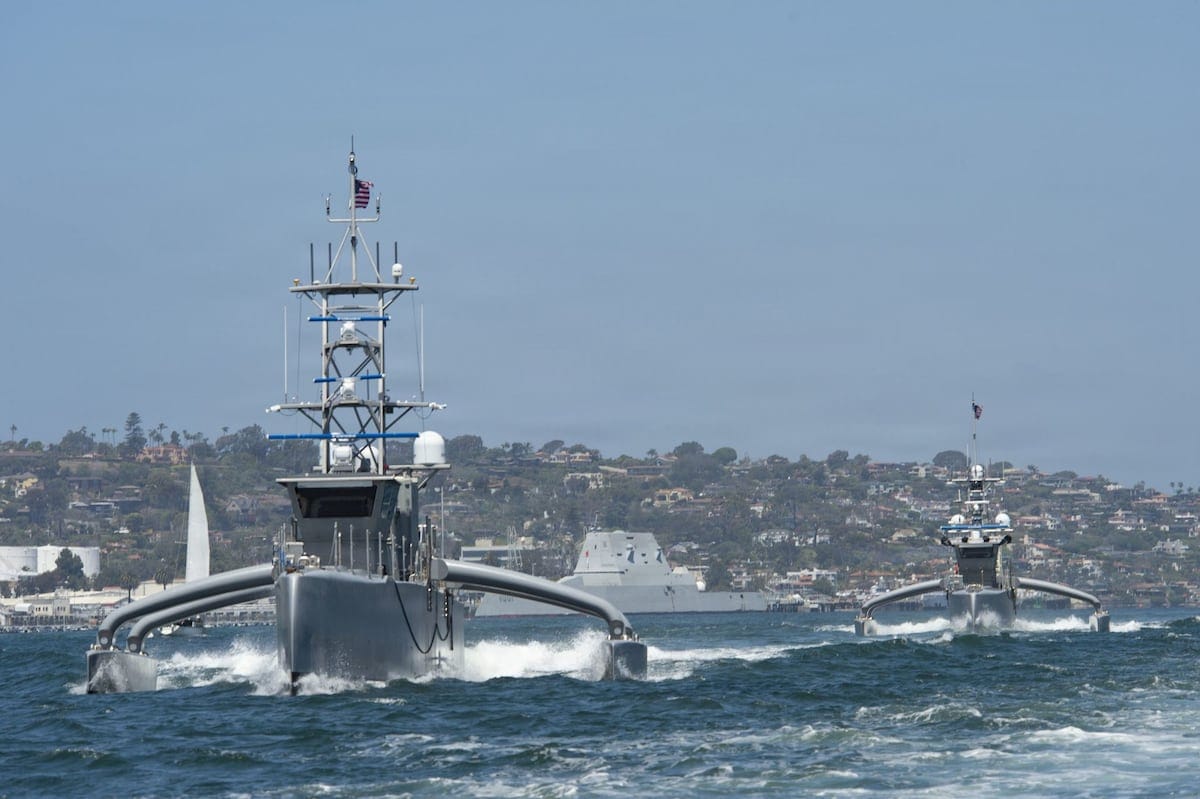
U.S. Navy Initiates New Era for Unmanned Surface Vessels
Accelerated Development Program
The U.S. Navy has embarked on a significant shift in its unmanned surface vessel acquisition strategy, focusing on expediting the integration of autonomous capabilities. This transition marks the discontinuation of the previous program, paving the way for innovative solutions in naval operations.
Launch of the Medium Unmanned Surface Vessel Family of Systems
On Thursday, the Navy announced the initiation of the Medium Unmanned Surface Vessel (MUSV) Family of Systems program. This initiative includes open solicitations for a designated class of unmanned boats, which are projected to play a crucial role within the Navy’s broader Golden Fleet initiative. Rebecca Gassler, Portfolio Acquisition Executive for the Navy’s Robotic and Autonomous Systems, emphasized the strategic intent behind this marketplace. Her goal is to establish a continuous, reliable procurement avenue not only for the MUSV class but also for other vessel categories, aligning with the increasing operational demand for unmanned systems across diverse mission profiles.
Alignment with Strategic Campaign Plans
During a recent media roundtable, Gassler articulated the need for production-ready and mission-capable vessels that reflect the Chief of Naval Operations Adm. Daryl Caudle’s vision for a Containerized Capability Campaign. This strategic endeavor aims to develop modular payloads—deployable containers that house vital defense systems, including drones and weaponry—enabling flexibility in global deployment.
Focus on Performance and Efficiency
The MUSV program distinguishes itself by prioritizing operational performance at sea over traditional developmental procedures. Gassler clarified that the solicitation process—set to close on April 17—will rigorously examine applicants’ business proposals, manufacturing strategies, testing approaches, and technical designs. Following the solicitation, selected companies will be expected to conduct on-water tests by the end of the fiscal year. Successful vessels will trigger a fixed-price payment model, advancing them into production or leasing agreements. Gassler highlighted the emphasis on rapid deployment, stating that the Navy aims to streamline processes, allowing for immediate transition from business evaluations to production without prolonged prototyping phases.
Timeline and Future Expectations
The inaugural vessel from this production line is anticipated for delivery in fiscal year 2027. In this restructured framework, the previous Modular Attack Surface Craft (MASC) program concluded to make way for the MUSV initiative. Gassler noted that MASC had limitations focusing on specific missions, while the MUSV program is designed to cover a broader spectrum of maritime operational requirements.
Implications of the Golden Fleet Initiative
The Golden Fleet program, revealed in December 2025, envisions a new class of Trump-class battleships, touted to be significantly larger than the Arleigh Burke-class destroyers. This strategic transformation aligns with Navy Secretary John Phelan’s recent comments, which applauded the new marketplace approach that leverages private sector investment to deliver advanced capabilities to the fleet. Phelan stressed the Navy’s commitment to encouraging competitive suppliers who can meet the timeline and operational relevance.
Financial Background for the Programs
The substantial funding allocation from the One Big Beautiful Bill Act includes approximately $5 billion earmarked for the Navy’s unmanned initiatives, with $2.1 billion specifically designated for medium unmanned surface vessels. As outlined by Navy officials, these unmanned assets will be integral to enhancing the operational efficacy of the Golden Fleet and supporting broader strategic deterrence initiatives. The strategic changes being implemented not only set the groundwork for immediate operational advancements but also reinforce the Navy’s commitment to innovating its maritime capabilities in alignment with contemporary security challenges. Source link