Navy Plans to Inactivate 14 Vessels from Fleet

Overview of the Inactivation Plan
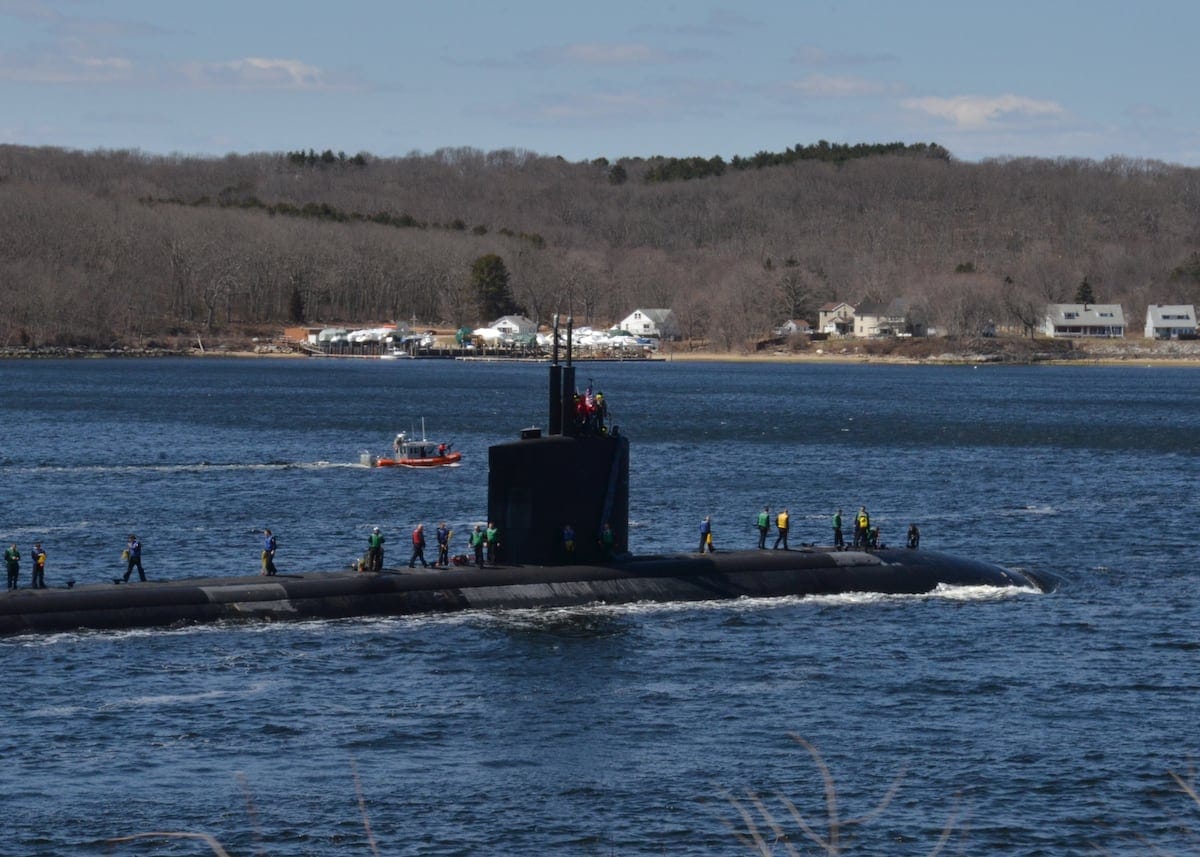
The Navy has announced its intention to inactivate a total of 14 vessels from its fleet this year. This decision reflects ongoing efforts to streamline operations and manage resources effectively within the naval forces. The inactivation is part of a broader strategy to maintain a modern and capable fleet in alignment with current defense priorities.
Context and Strategic Implications
The inactivation of these ships comes at a time when the Navy is reassessing its force structure in response to evolving global threats and operational requirements. Analysts note that the reduction in fleet size may allow for a focus on upgrading existing vessels and investing in new technologies. This could be seen as a move towards enhancing operational readiness and effectiveness in a rapidly changing security environment.
As the Navy works to balance its fleet composition, it is imperative to consider how this inactivation aligns with the overall defense strategy under the leadership of Secretary of Defense Pete Hegseth. The implications of these changes will likely be scrutinized by defense professionals as the focus shifts towards maintaining a competitive edge over potential adversaries.
Why it matters: The decision to inactivate these 14 vessels raises questions about the Navy's long-term strategic goals and its ability to respond to emerging threats. With an eye on modernization, the implications of this inactivation could influence future budget allocations and procurement strategies. Defense analysts will be closely monitoring how these changes affect operational capabilities and readiness in the coming years.
Sources: Defensenews, Navy Times, Defense One, Congressional Budget Office (.gov), and GovCon Wire